Heifers, Harrows, and Hard-Earned Lessons
#bfrdpwy #aginternship #RightRisk
After the excitement of last week’s National Show and Sale, it was a welcome change of pace to ease into Week 5 a little more slowly. Monday started with a morning ride to check on the cattle, make sure all the bulls were accounted for, and look over the water situation at the homestead. It is something we try to do every day, and I am getting more comfortable with what to look for and what a normal day out there should look like. After returning, I made a run up to Buffalo to pick up meat from the butcher we had visited a few weeks back. By the afternoon I was back at the ranch doing the usual chores and refilling water tanks for the heifers. It was the kind of steady, unglamorous day that keeps everything running, and I have come to appreciate those days just as much as the more eventful ones.
Tuesday followed a similar rhythm. After morning chores, I rode out to check on the sheep in the barley field. With coyote activity in the area becoming more of a concern, keeping a close eye on the sheep. Just making sure they have water, that they are healthy, and that nothing seems off. This is an important part of the routine. From there, I spent the rest of the day rolling up old wire at the homestead. The wire had been sitting there from old fencing for quite some time, and I will be honest I was not entirely sure why it needed to be done after sitting untouched for so long. But I reminded myself that learning these skills and understanding land maintenance is part of why I am here, and even if I did not have all the answers, putting in the work matters. That evening I was shown how to drive a tractor and harrow a nearby corral, which I was looking forward to getting to do on my own the following day.
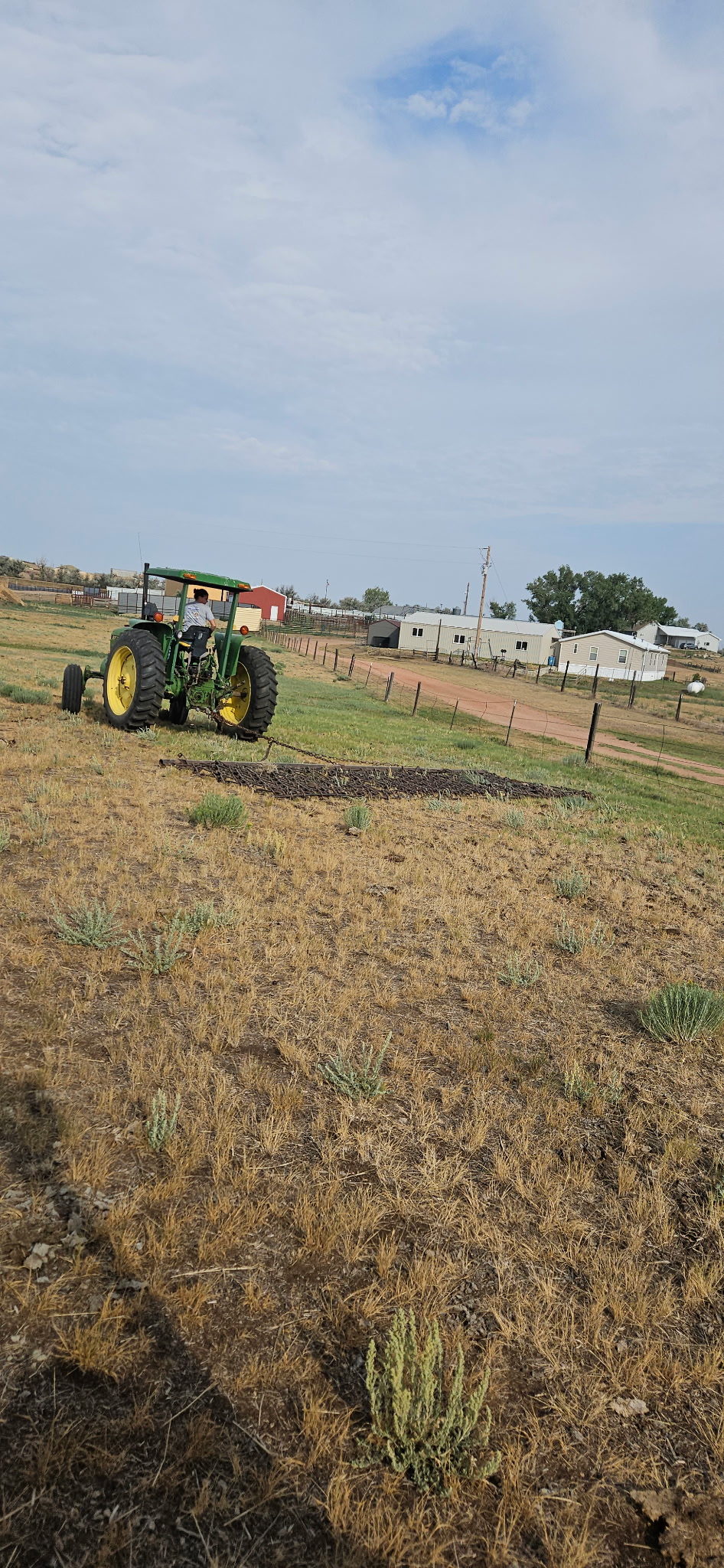
Wednesday was a full and eventful day. I spent about two hours harrowing the corral on the tractor, and I genuinely enjoyed it. There is something satisfying about covering a space methodically and watching it come together. It did get me thinking about the reasoning behind harrowing and how much of a difference it makes to break up what accumulates on the ground over time. Something I want to ask more about going forward. Once that was done, I needed to move the ten heifers and one bull out of their field to graze along the side of the road, which has become a more regular task given how little green grass there is right now. I took Faith, one of the horses, out to move them. Things were going well at first, but as I got close to the opening the bull planted himself and refused to move, and Faith was not responding the way I needed her to. It got frustrating quickly. I made the call to go back, swap the horse for the side-by-side, and grab a flag. That combination worked, and I finally got the heifers out and grazing along the road. I was a little nervous watching cars pass by, but everything went smoothly. In hindsight, I think I moved them along a bit too quickly and next time I will give them more time to graze. It was a longer process than expected, but I was glad I found a way through it.
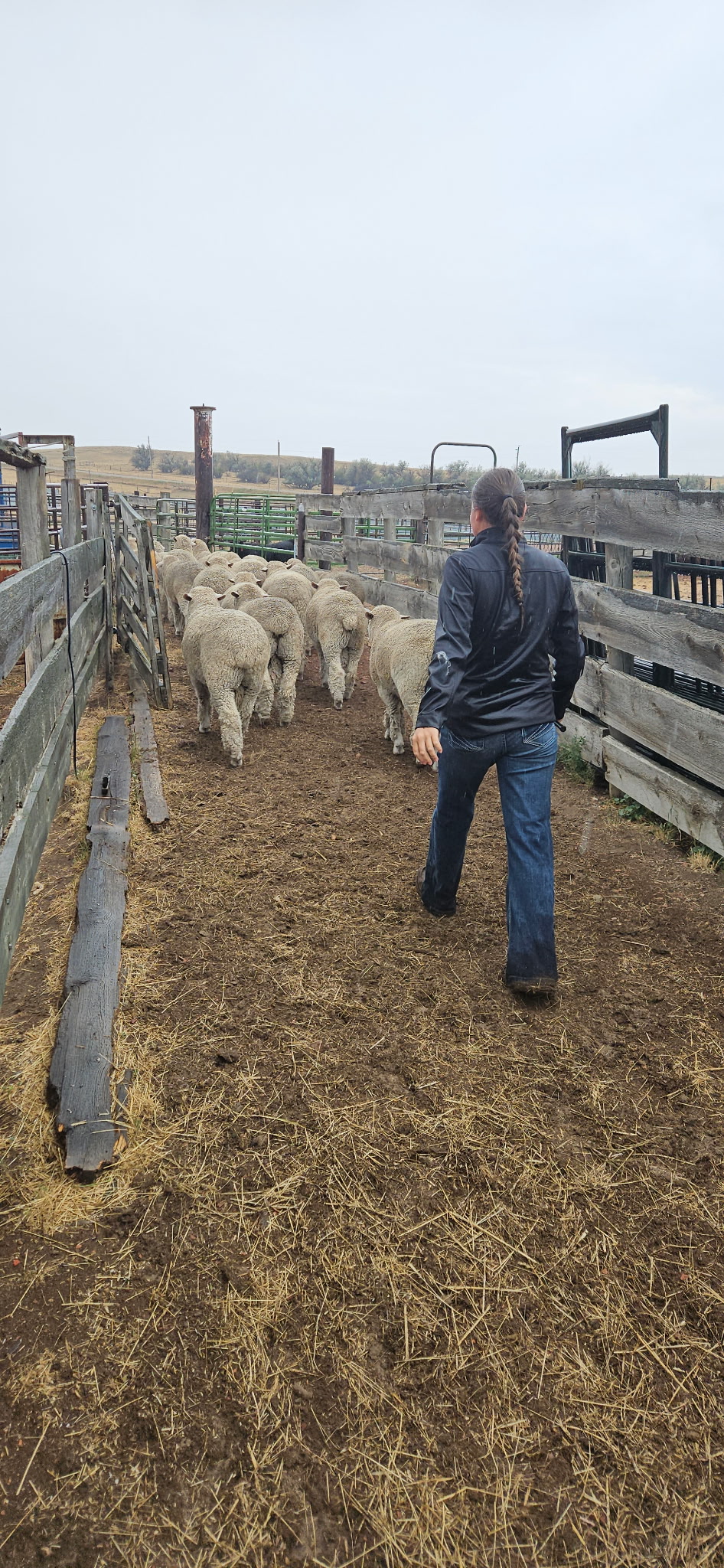
Thursday brought a change in the weather, which was a relief given how hot it had been. Bobbi and I gathered all the rams to take wool samples and photographs for record keeping, with some of them likely heading to auction in the near future. Documenting this kind of information such as physical condition, wool quality, and photos is something I am starting to understand as an essential part of managing a sheep operation well. Just as we got into it, the rain came, which made for an interesting afternoon but also a welcome break from the heat. After wrapping up with the rams, I packed up and headed to Deadwood, South Dakota, to help work as a vendor at the Days of 76 Rodeo, where I stayed through Saturday night.
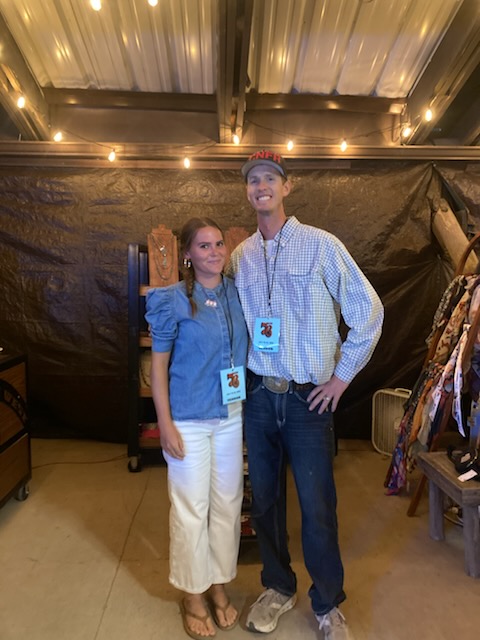
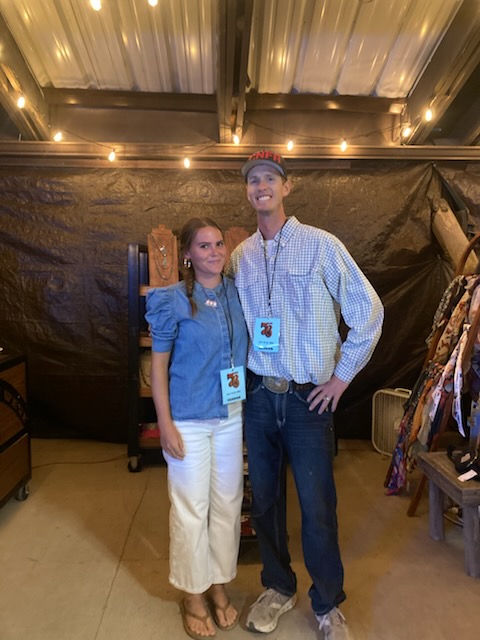
The Days of 76 was a fantastic experience. The arena was beautiful, the atmosphere was lively, and the town of Deadwood itself was worth exploring. I walked downtown, caught part of the parade, and took some time to look around. Everyone I met was friendly and welcoming. One of the highlights was running into another intern from South Dakota. We ended up having a great conversation comparing our day-to-day experiences, and it was genuinely interesting to hear how different her work looked compared to mine. Her days seemed more intensive with a larger cattle operation, which gave me a new perspective on the range of what these internships can look like. Talking with someone going through a similar experience, even in a very different setting, was one of those unexpected but meaningful moments. It reinforced for me how valuable it is to connect with others in agriculture, ask questions, and keep learning from people who are navigating the same path in their own way.
Submitted by: Kaci Jericoff
Edits by: GrowinG Internship Team