Tarp Dams, Dry Spots, and Trusting the Process
#bfrdpwy #aginternship #RightRisk
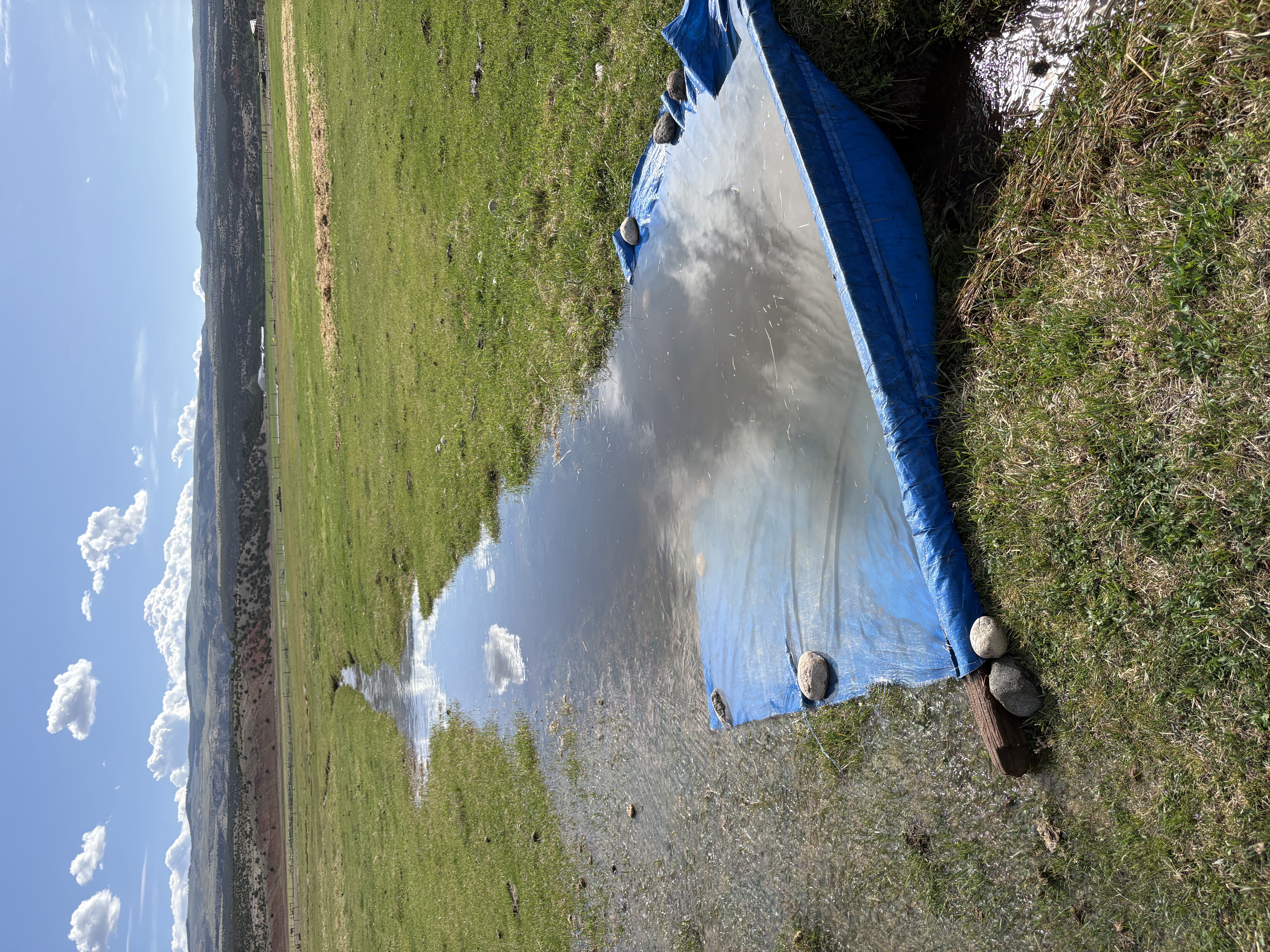
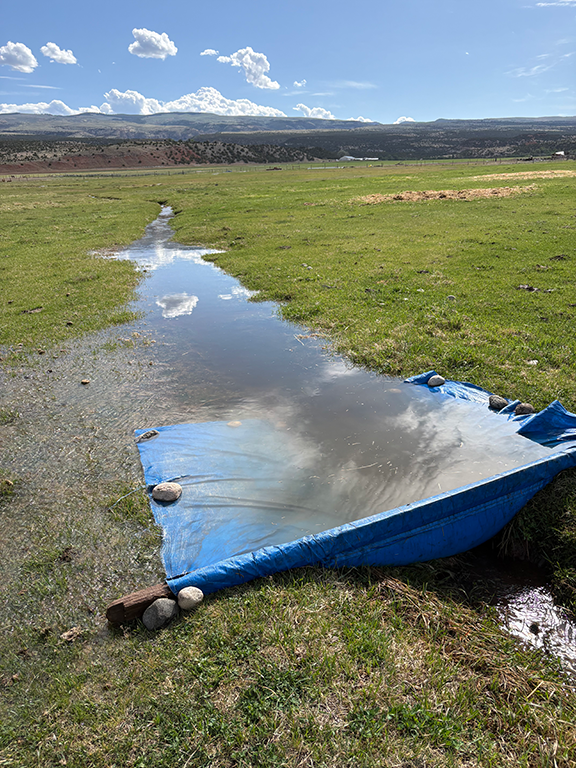
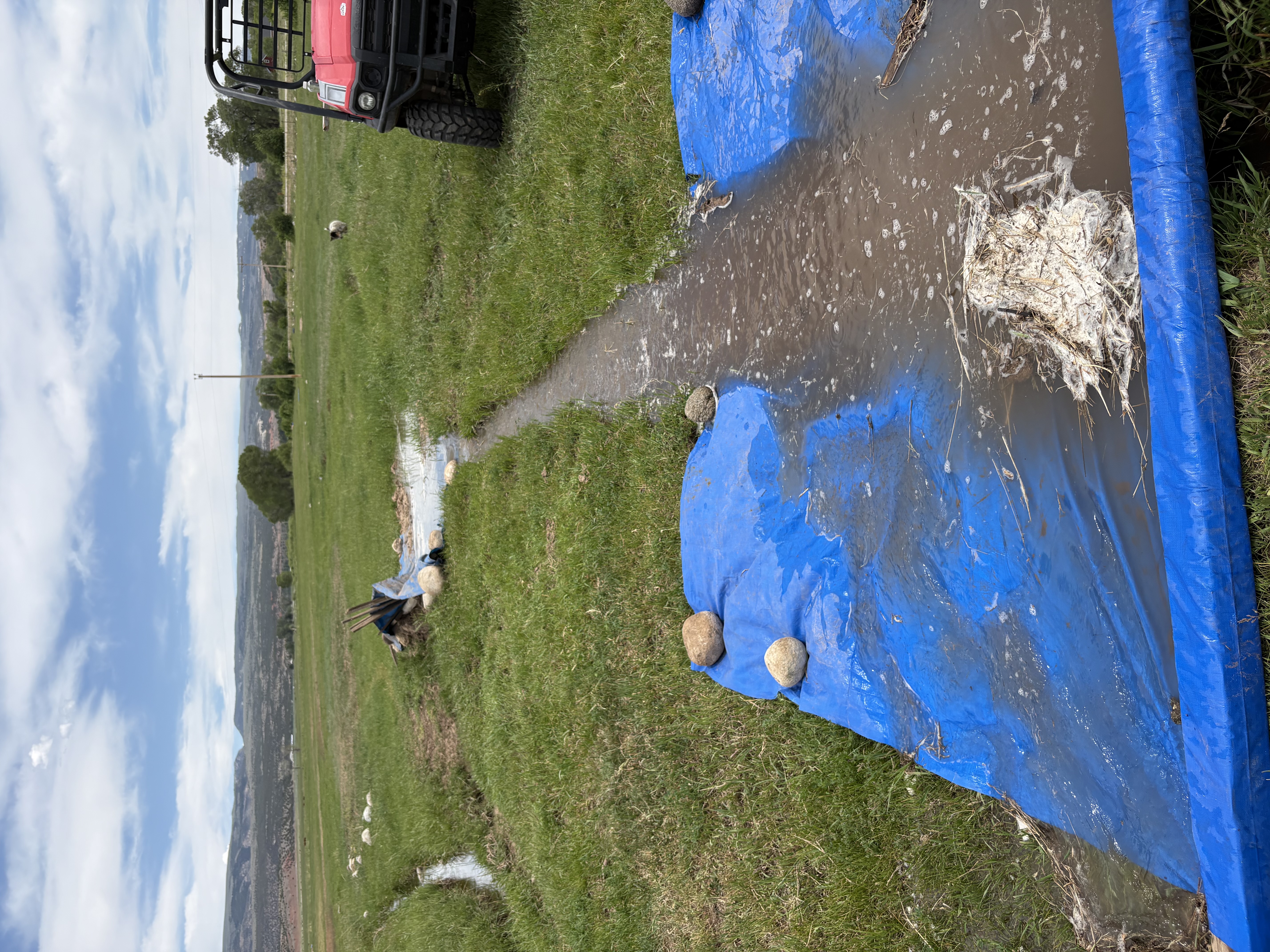
There were many areas of learning I experienced in week two of my internship, but I want to focus this week on flood irrigating, specifically with tarp dams. Coming from Wisconsin, I had never heard of flood irrigating, had no clue how to do it, or some of the strategies and benefits of flood irrigating, but that changed with coming to my host ranch. They flood most of their pastures using blue tarp dams that you place in ditches, allowing water to run out onto the forage in the pasture. This being like nothing I had ever done, I was very nervous going into it and had a lot of doubts about my ability to effectively do the task at hand.
I learned quickly that there are a couple of different strategies in flood irrigating with dams. One had a set system, moving dams down the ditch based on where water has saturated, and placing it in areas where water has not reached. The other strategy is finding areas that are extremely dry and getting wet, while looking for dry spots as you move dams, getting water to the areas that most need it.
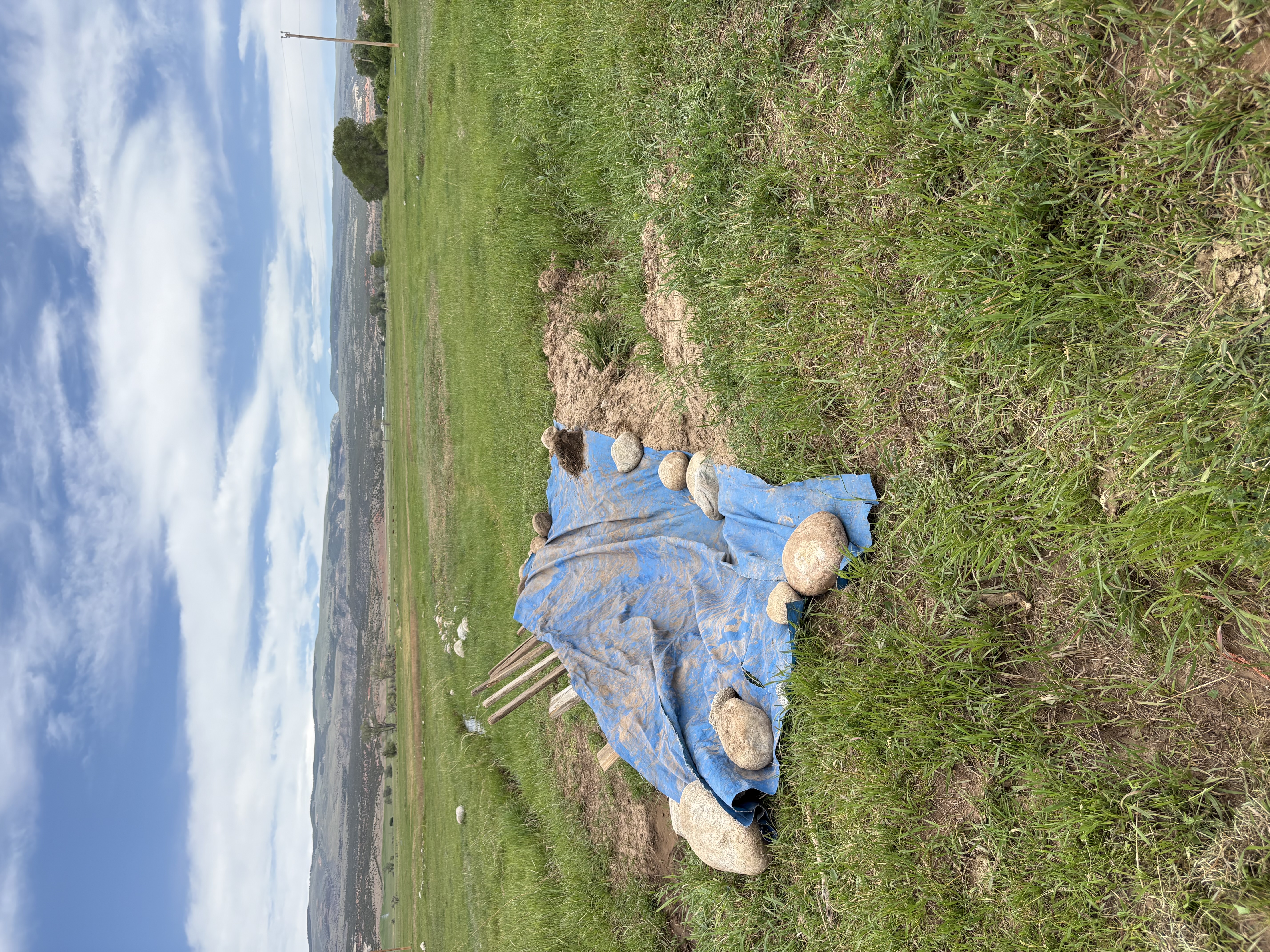
Sounds simple, but I learned quickly, it wasn’t. In a day, I could see myself, looking at an area to irrigate for over 20 minutes just trying to figure out if setting a dam 3 feet up or down would give me a better result. You could say sometimes I drive myself crazy. In the end, I learned that I like having a set system, so I can say, here is an area that I want to get wet, how do I get water there, and what is my plan of action to move water down to saturate the whole area.
My hosts also told me why they like this method of irrigation. By no means did the Greers say they dislike pivots, or think they have no place, but they expressed why they irrigate using dams primarily. To start, they gave me a lesson about using what you already have. They talked about how financially and economically, it wouldn’t make sense for them to use pivots to irrigate, because they already have the infrastructure to irrigate using dams in place.
I agree 100%, using what you have to keep yourself profitable and sustainable is extremely important, and if it ain’t broke, don’t fix it. There is likely more labor on the day-to-day basis that is a “drawback” to irrigating with dams, but we must remember that pivots also bring their own set of issues, often expensive issues that also need to be fixed, so I think it comes down to what you have, and if that is working for you.
They also explained to me how the method of flooding an area and saturating it brings water into the water table, keeping soil wet and cool for a longer period, bringing water back to where it should be and potentially losing less water to things like evaporation. They also made the point that most of the water lost in flood irrigating (at least in their case) is just going to make its way back into the creek where it came from, making it semi regenerative.
The last thing I want to talk about is a life lesson I learned from flood irrigating. Now that this is my second week flood irrigating with dams and I have some experience, I have been doing fields and sets on my own. When I was told to do this, yet again, I was apprehensive and nervous. I showered my hosts with questions and concerns about messing their fields up, and how to do things exactly right. During my ramble, one of my hosts just stopped me and said, “You are not going to mess it up, you can’t mess it up…get water into the field, and see where it goes, and if it doesn’t look right to you, change it.” This made me stop in my tracks.
To simplify the idea and calm my nervous head like that gave me the confidence to just go out and do exactly what he said. I think I need to apply this lesson to more of my life. So often, I overthink every step I can take and doubt myself in just about every new thing I do, and this needs to stop.
As this internship goes on, and in future jobs and internships, I will be faced with very similar situations. With this, I need to remind myself that I can do difficult things on my own, and the best way to learn a skill is to get out there and do it. “Mess” it up, and sometimes doing it on your own will allow you learn even more.
| Submitted by: Jonah Verhoef Edits by: GrowinG Internship Team |