Collars, Calves, and the Cost of Tradeoffs
#bfrdpwy #aginternship #RightRisk
This week kept me moving and gave me a chance to see a lot of different parts of the operation. Here are a few of the things that got done. Monday, I started the long move of getting the collared “Oregon” pairs up on the BLM lease and kicked them into the next field. Had to rope a cow that dropped a calf several days back and see if they would pair back up in the chute. Throughout the week, I checked BLM water lines and tanks. Tuesday, we moved the collared cows farther into the pasture, but had to rope and tie a lot of calves that had been left behind.
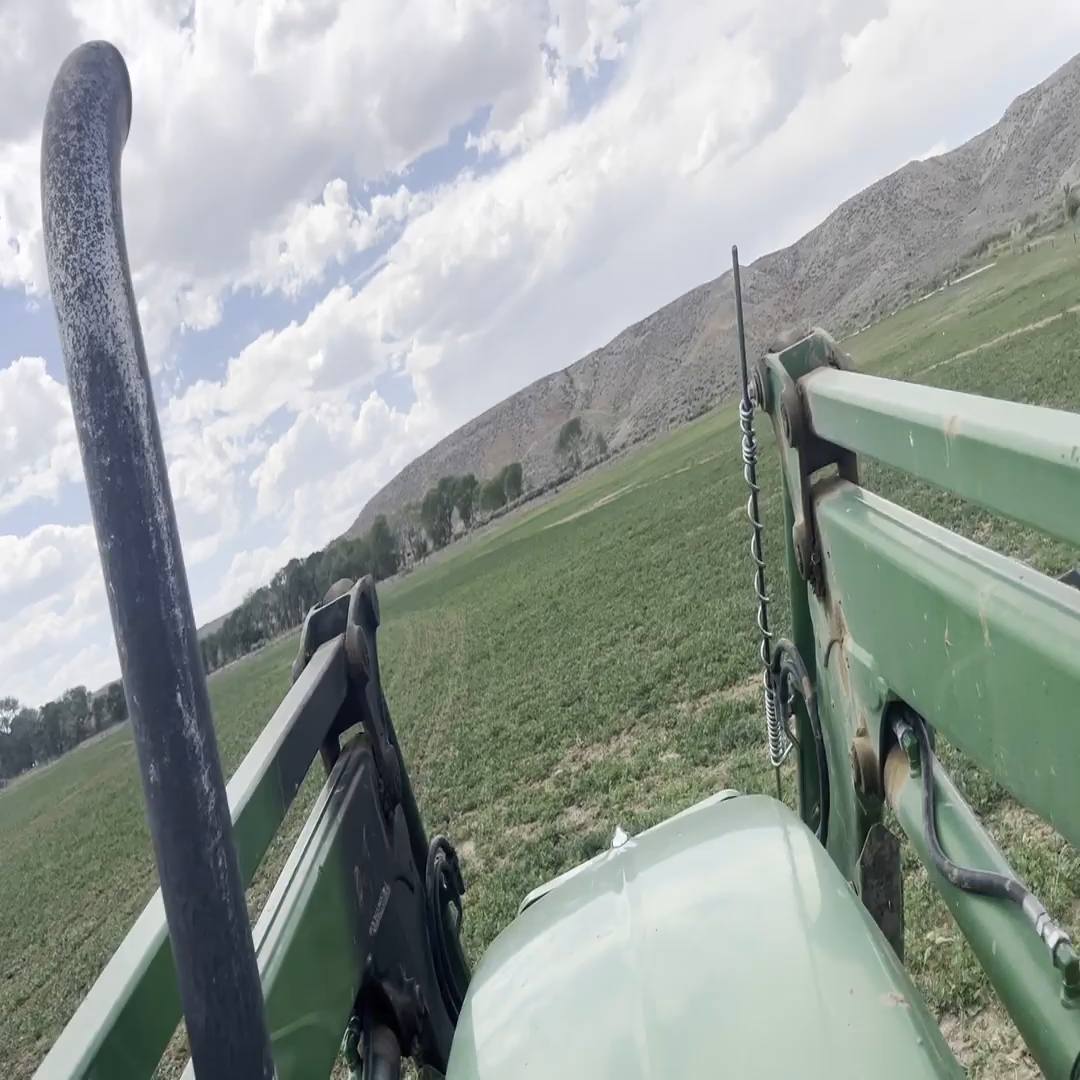 CLICK the image to view the video
This week kept me moving and gave me a chance to see a lot of different parts of the operation. Here are a few of the things that got done. Monday, I started the long move of getting the collared “Oregon” pairs up on the BLM lease and kicked them into the next field. Had to rope a cow that dropped a calf several days back and see if they would pair back up in the chute. Throughout the week, I checked BLM water lines and tanks. Tuesday, we moved the collared cows farther into the pasture, but had to rope and tie a lot of calves that had been left behind.
Wednesday, I checked grass conditions for some AI’ed heifers, moved different sets of cows, and set up a corral for shipping the Oregon cows (change of plan). Later in the week, I moved heifers that were needing grass, as well as 600 lb calves, fixed water systems up on the BLM, set up a solar system, did gated pipe work, processed yearlings for shipping, trailed those calves back to the feedlot, sorted cows off and moved them back, drilled a barley/grass mix, and got some trucks serviced in Greybull. That list only covers part of the week, but it shows how many moving pieces there are in an operation like this and how much time is spent staying ahead of problems before they become bigger ones.
One of the biggest things I learned this week was how connected everything is. Even simple jobs like trailing cows depend heavily on forage and water availability, working water systems, fence (and virtual), other groups, and timing. Earlier in my life, I would have looked at these all as separate tasks, but they all affect each other. Management is making decisions today that set up success for the next week, month, and season.
One thing that stood out to me this week was seeing more of the drawbacks that come with the collars. The aforementioned Oregon cows have been a big pain. When we open the border to a new piece, they would rather leave the country than wait for their calves, and many ended up dropping calves. As I said, we ended up with a lot of calves back on us. We had to spend time dealing with calves that had been left behind.
While I can see the benefits of the collars, this week shows that technology has downsides. They solve some problems, but they also create new ones. Every management tool seems to come with tradeoffs, and understanding those tradeoffs is just as important as understanding the benefits.
The conversations I have had while working through these problems continue to be one of the most valuable parts of this internship. I am learning that management is rarely about finding a perfect answer. Most of the time, it seems to be about choosing which problems you would rather deal with. Every decision has consequences that show up somewhere else. I have started paying more attention to those connections and trying to understand the reasoning behind decisions instead of just carrying them out. The more I learn, the more questions I have about how experienced managers weigh all of those factors when making decisions.
At this point, I still have questions about how the collars will fit into long-term management here and what can be done to reduce some of the issues they create. Certain cows respect the boundaries while others continually challenge them. Moving cattle around all week made me realize there is a lot more involved than simply deciding a pasture looks ready. There is a level of planning behind those decisions that I need to understand better.
Next week, I want to continue looking at the operation from a bigger-picture perspective. There is never a shortage of jobs to do, but I am finding that the biggest lessons usually come from understanding why something is done rather than just doing it. Going forward, I want to apply what I am learning by asking more questions, paying closer attention to the reasoning behind management decisions, and looking for the tradeoffs involved in different approaches. Learning to see the whole picture instead of just the task in front of me will make me more useful and help me become a better manager in the future.
Submitted by: Jace_Miller
Edits by: GrowinG Internship Team