Hay Fields, Headgates, and Horse Care
#bfrdpwy #aginternship #RightRisk
At my host ranch, my main job is to irrigate the hay fields that grow the hay we then will use to feed the horses during their summer outfitting job at the upper ranch. With that in mind, this week, I learned how to irrigate fields using the natural pull of water using gravity, irrigation pipes, and irrigation ditches.
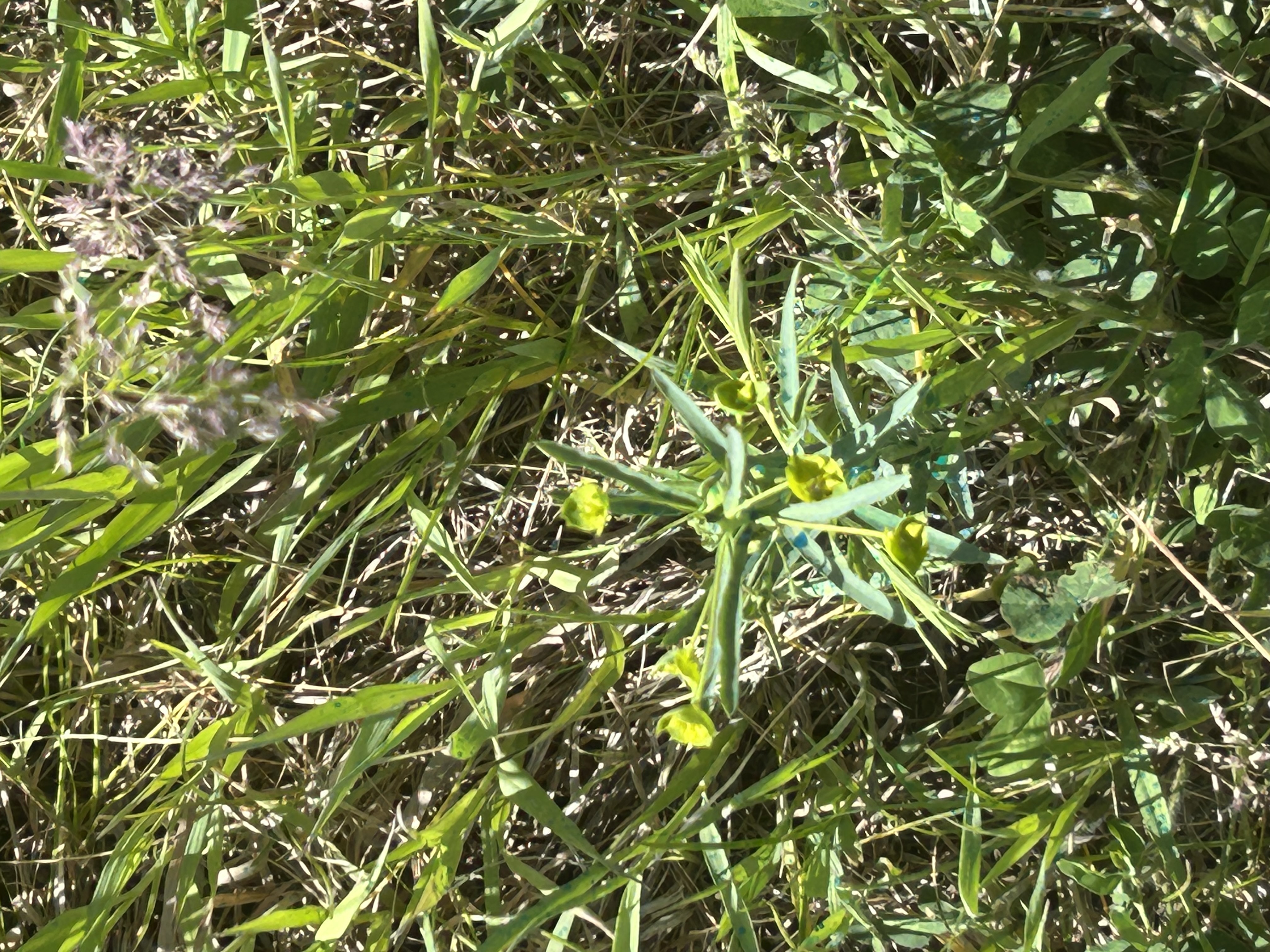
I also learned to be mindful of water usage and conservation at the source rather than just at the main site of irrigation. Harmful weeds are a hazard in the hay growing business, so I learned how to identify those specific types of weeds and exterminate them. Additionally, a few of the horses were injured so I learned how to properly doctor horses in a ranching environment. Outfitting and packing trips are the main source of income for the ranch, meaning that I learned how to pack the bags for the packing trips, keeping in mind the weight distribution and comfort of the horses.
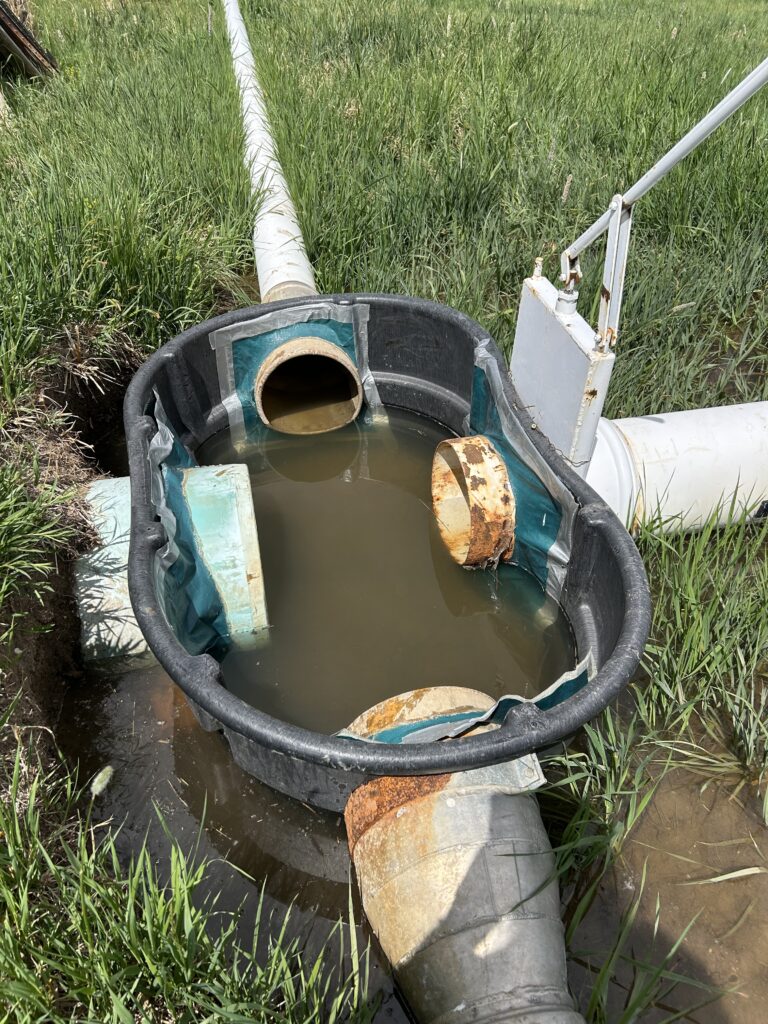
As I reflect back on what I did this week, I can note all that I learned and utilize that knowledge on the ranch independently. For example, there was low water pressure in a field that we had just begun to irrigate. Replenishing the water supply took lots of troubleshooting from me, my host, and the other hands on the ranch. Eventually, we figured out that the lack of water was due to an improperly placed receiving pipe at the beginning of the line as well as not enough pressure at the headgate which feeds the main pipe.
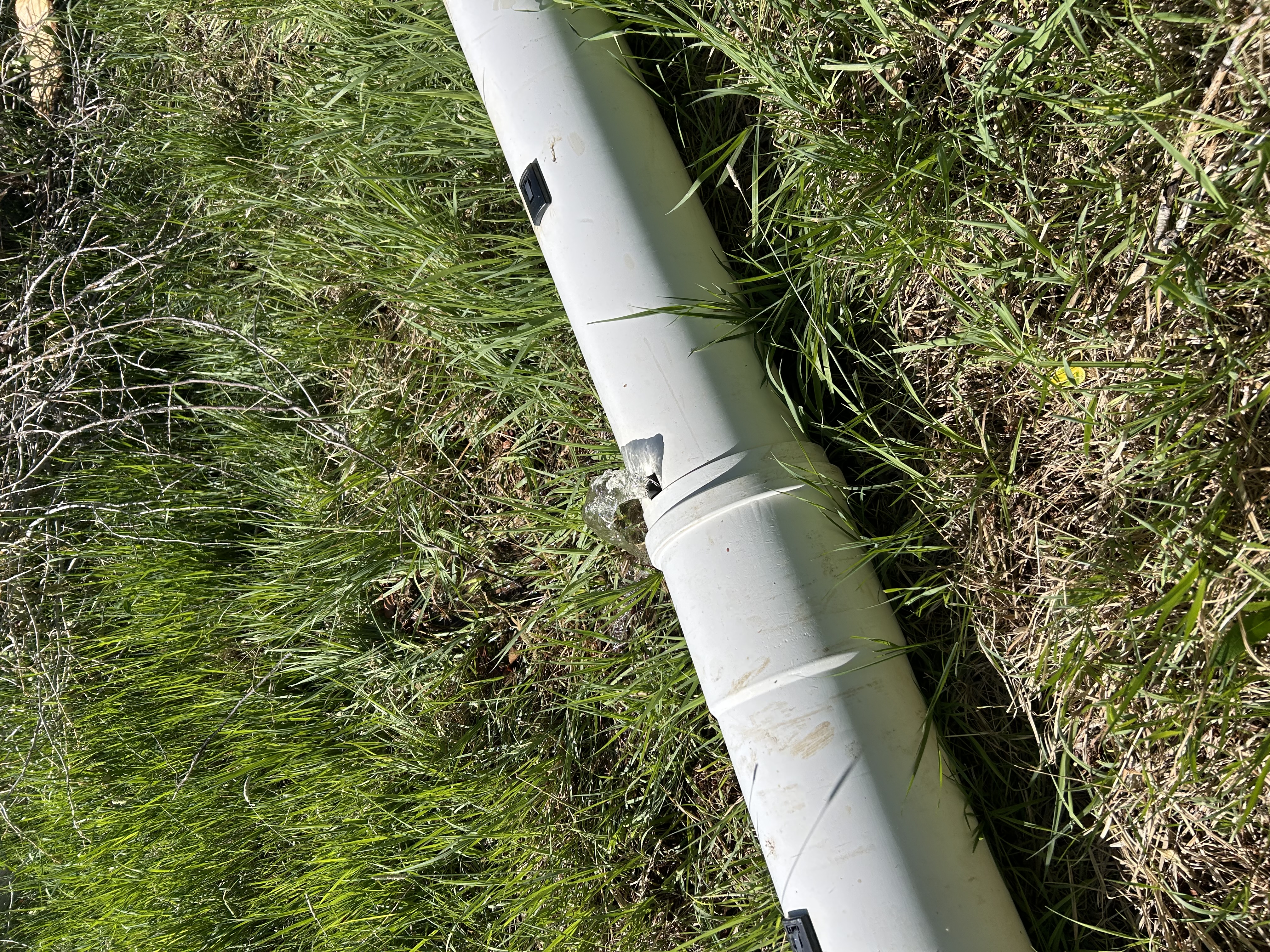
Although the main issue regarding the lack of water pressure was solved, I also noticed two substantial leaks down the western side of the pipe, which we were not using to irrigate that field. I would have liked to detach that pipe entirely and put an endcap there to redirect water into the eastern pipe. Even though it was a smaller amount of water loss in the grand scheme of things, water loss is still water loss and at some point, our river will run dry entirely. Ideally, I’d like to use as much water as possible for irrigating where we’ll actually be cutting hay.
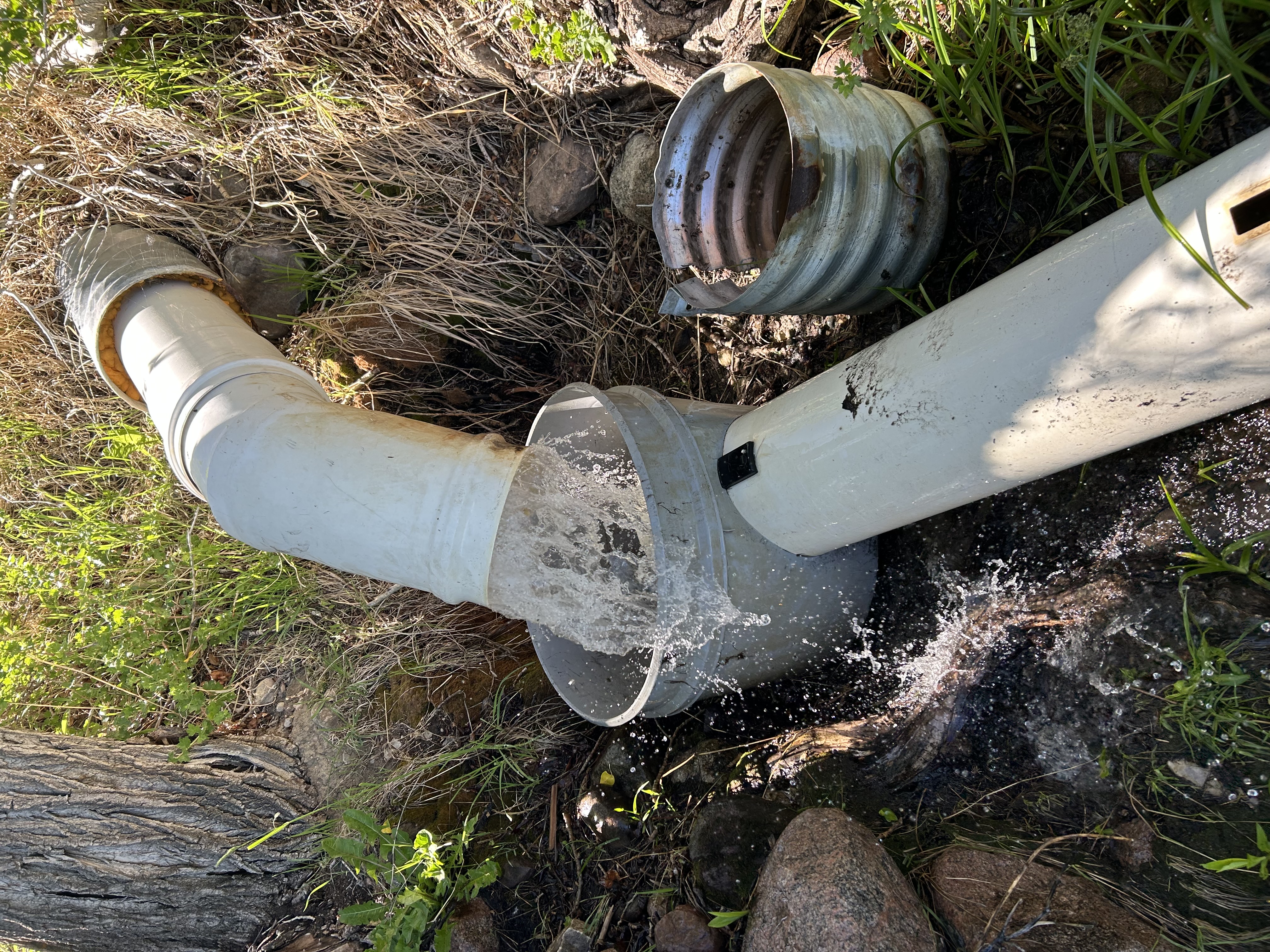
As for questions I have, there are a few regarding the local laws and politics relating to water and irrigation. I wonder if there is a way for the neighbors to be fair and communicate with one another about water usage. My host is rather conscientious and prioritizes having enough water for the neighbors. However, that does not seem to be the case at one of our lease properties down the road.
We have incredible inconsistent water flow at that location which leads to our field only being irrigated part of the time. The thought is that someone else is using up the water in their ditches without any regard for the neighbors or their fields. This poses the question of do they not know or do they just not care? What can we do to change that? And maybe there are better ways to irrigate our fields in general.
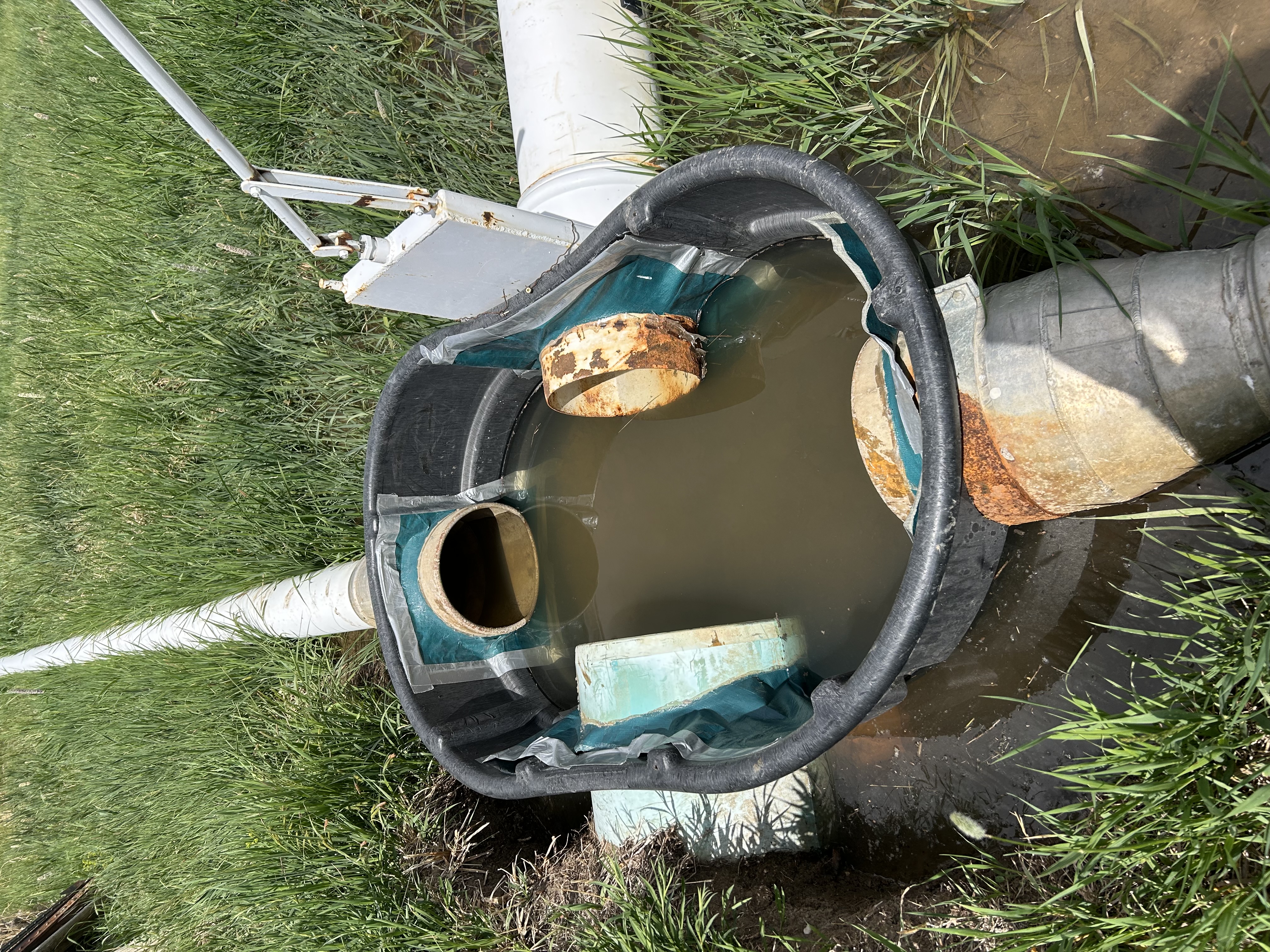
In just this first week, I’ve learned so much about irrigation, yes, but also about the importance of community collaboration and thorough communication. Being clear and concise while conveying information is incredibly important and that is likely the main skill I will take with me from this experience.
Since not everyone is at every field every day, it is important to know exactly where you have been in the field and where you have irrigated so that you can tell the other hands as well as my host. This allows everyone to know where the water is flowing in the field, how the water level is in the ditches, and any issues we may or may not have encountered.
Submitted by: Kaylee Pearce
Edits by: GrowinG Internship Team