Animal Care, Patience, and Disease Awareness
#bfrdpwy #aginternship #RightRisk
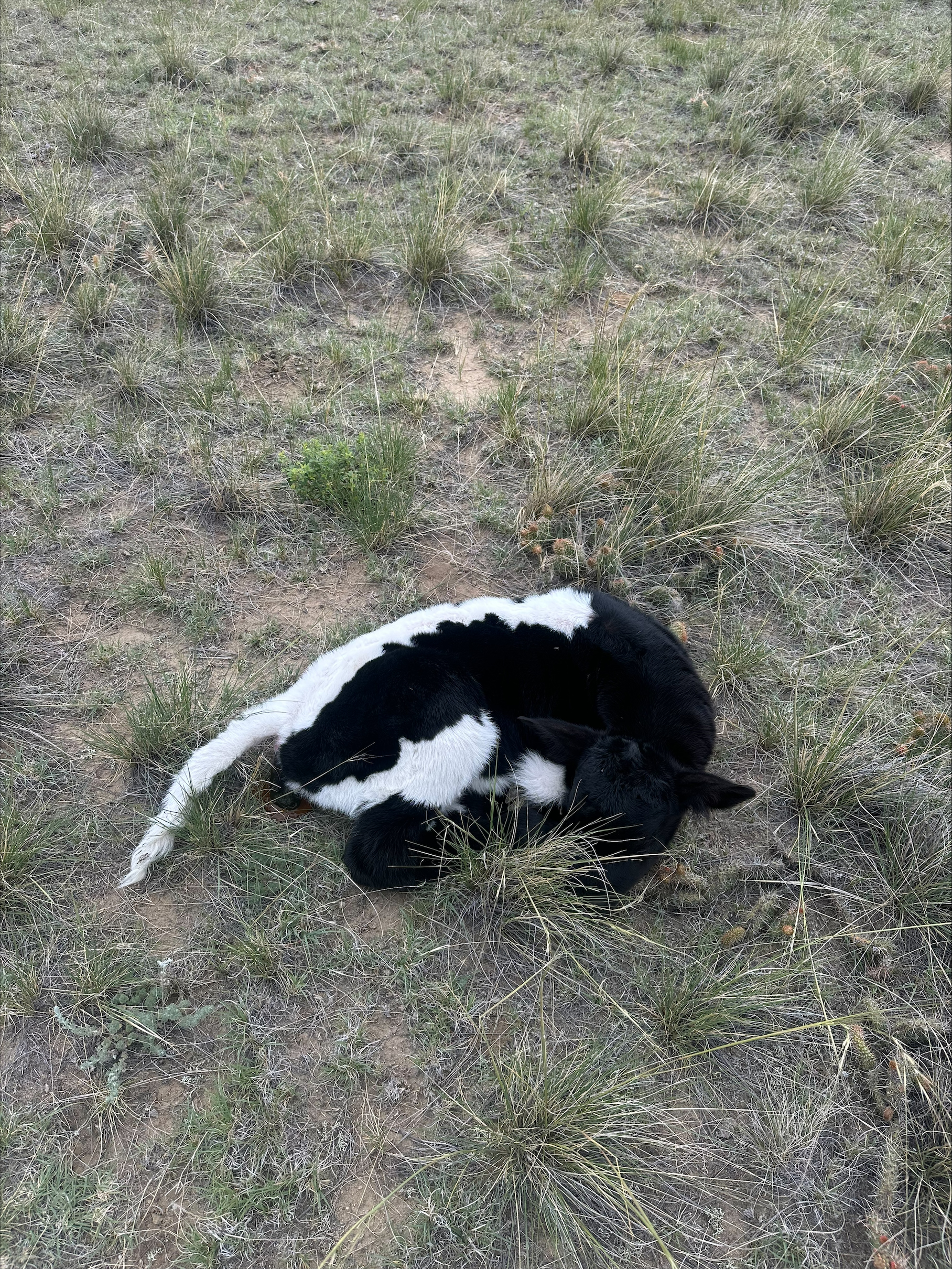
This week was not as eventful as the last. However, there have been many new developments. This week I found two calves on separate occasions while doing my rounds and had to bring them in to be bottle-fed. One of the calves was reunited with its mom because it had gotten scours and become weak, but it was caught in time. It was nice to see the calf recover and to return to the pasture. The other calf we believe might be a twin or may have simply been abandoned. We still do not know which heifer it belongs to. Because of these experiences, I have definitely improved my bottle-feeding skills and learned that patience is very important. Some calves take longer to learn how to take a bottle, so keeping that in mind helps make the process a little easier.
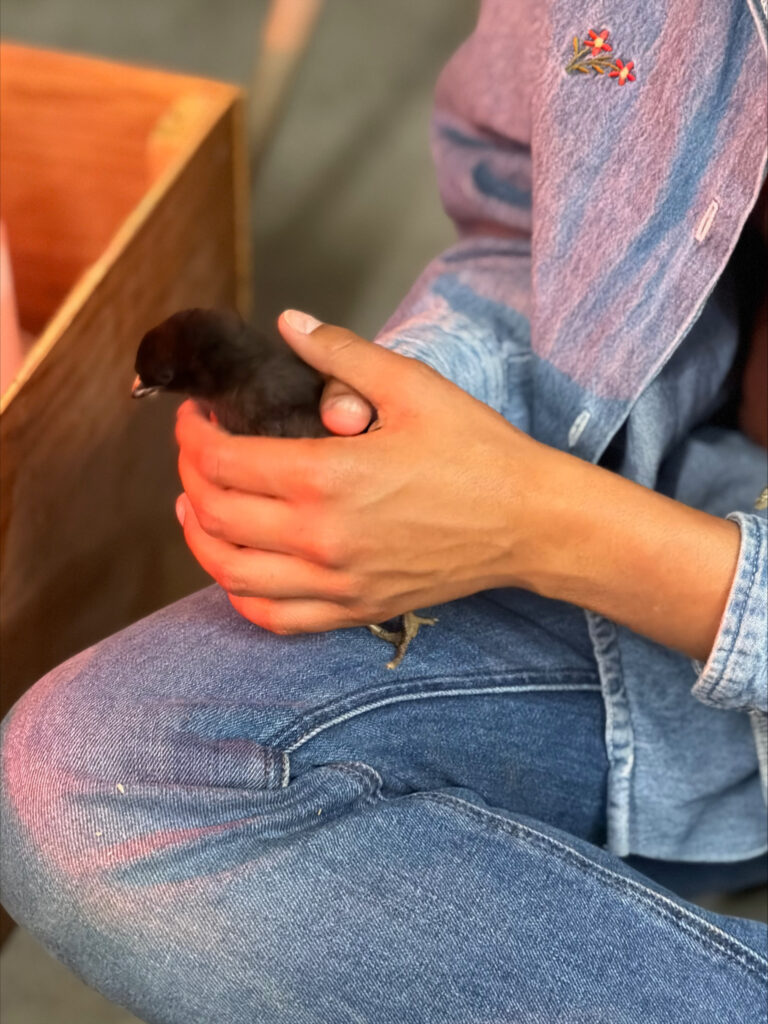
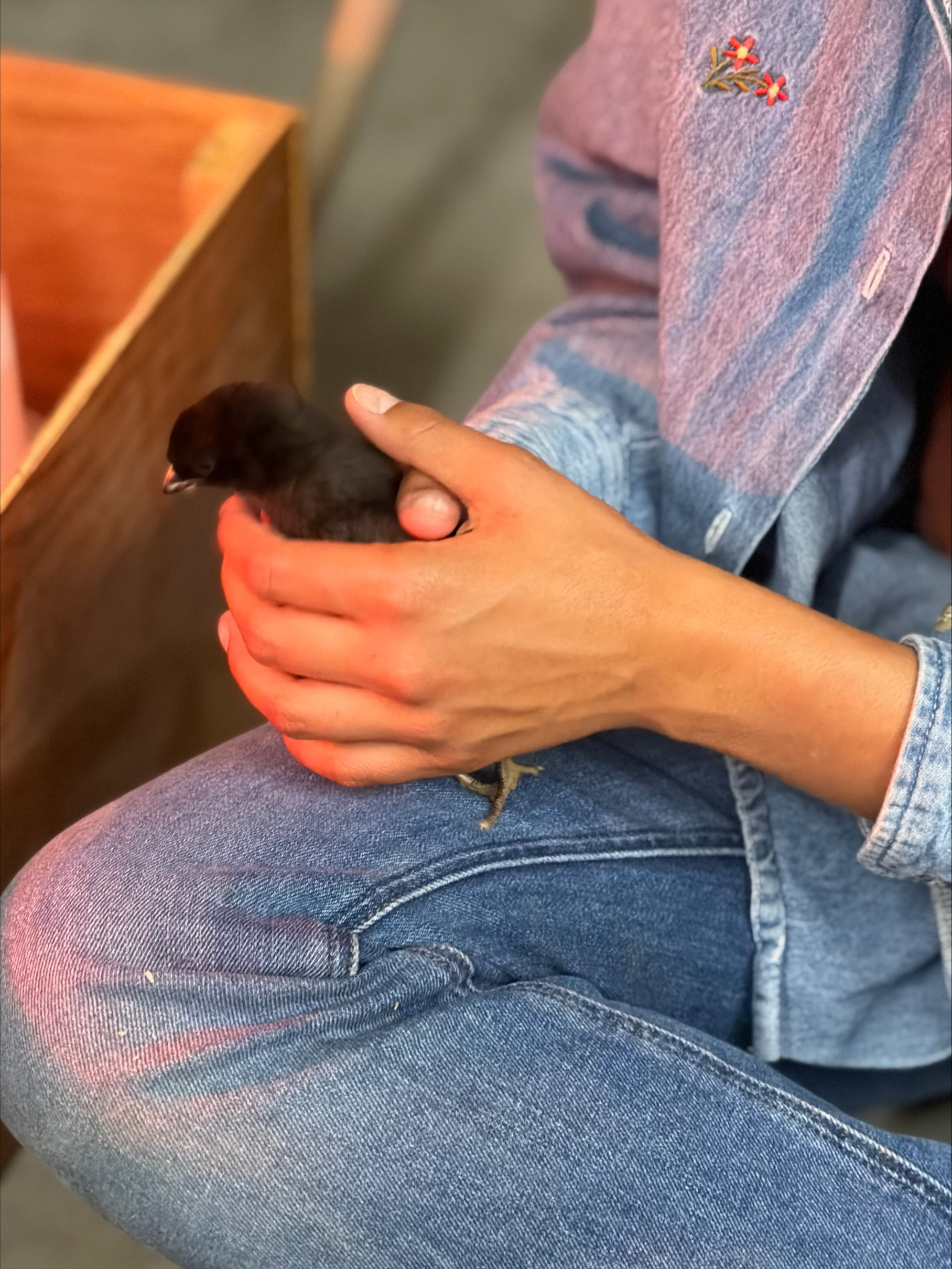
My boss also got six egg-laying chicks, and it has been my duty all week, and in the comingweeks, to do rounds and make sure all the baby animals have enough food and water. Caring for multiple young animals has helped me become more responsible and pay closer attention to details. I have learned that even small changes in behavior can be a sign that an animal needs extra care, whether that’s a bath for pasty butt or extra electrolytes in a bottle feeding. Currently, as I write this at 8:20 p.m. on Friday, I have to go prepare a bottle for the one-bottle calf. We are not done with calving season just yet, but if everything continues to go well, my boss is considering getting a bum lamb to bond with the calf. I have learned that these animals have a better chance of survival when they have a companion.
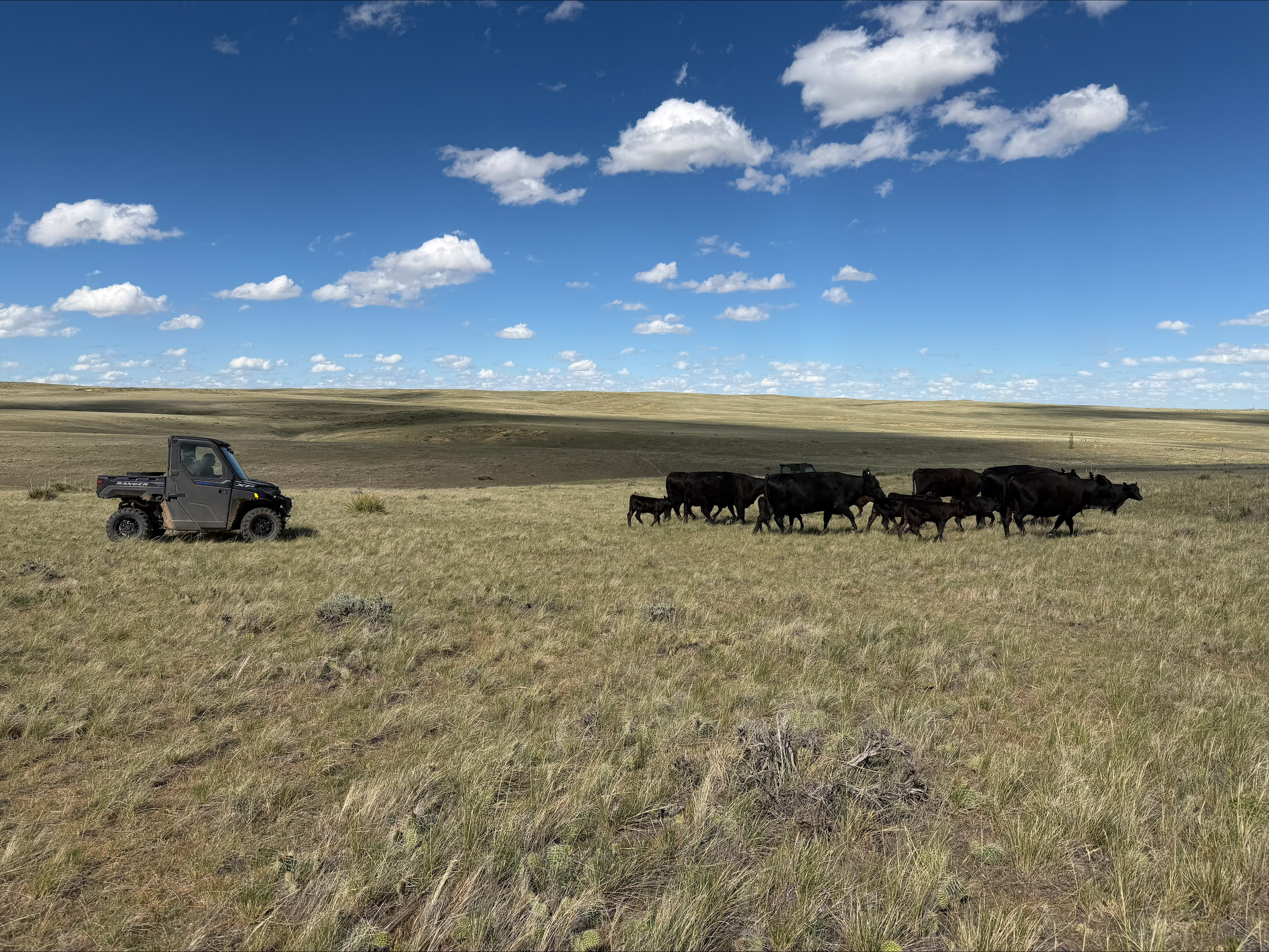
Lastly, as we prepare to brand the older half of the calves, I helped move cattle from two pastures into one. The job took four people, one dog, and about three hours to complete. With branding scheduled for next week, my boss and I have been discussing the growing concern about the spread of screwworms into the United States and what that could mean for producers in our area. This issue has raised many questions for us, such as what precautions producers can take to protect their animals, how an outbreak should be managed if screwworms reach our area, and what treatment options are available if livestock become infested. We are also concerned about whether routine procedures such as branding and castration, which create open wounds, could increase the risk of infestation and what additional management practices may help reduce that risk. Because of this, we plan to do more research this weekend and Monday.
One idea I would challenge is whether standard management practices should be adjusted when new disease risks emerge. While branding and castration are important processes in cattle production, the threat of screwworms highlights the need to consider extra steps to protect animal health and reduce risk. It makes me think about how a normal day on the ranch can change when new concerns come up. What is usually a simple job now requires more care and attention. Even basic choices like when to work cattle or how to care for fresh wounds become more important with disease risk. Additionally, as a worker at the UW Meat Lab and a member of the 2026 Meat Judging team, this raises concerns about how screwworms would be managed in a processing environment and how they could affect future competitions and work.
Looking ahead, I plan to use what I have learned from working with calves, and use it in my own operation in the future. Bottle-feeding calves, helping one recover, and currently taking care of one has shown me the value of patience, consistency, and paying attention. I want to get better at noticing problems early and fixing them quickly. These skills will help me care for animals better every day, and my own animals on my future operation.
I also plan to use what I have learned about disease risks to prepare for future challenges. Talking about issues like screwworms has shown me how fast things can change in livestock production, which is why it is important to stay flexible and prepared for new challenges in livestock production. Whether that be disease, new fads, or changes in management practices, I want to be ready to adjust and make informed decisions to protect animal health and keep my operation running well.
| Submitted by: Celise Pacheco Edits by: GrowinG Internship Team |