Ditches, Dams, and Determination
#bfrdpwy #aginternship #RightRisk
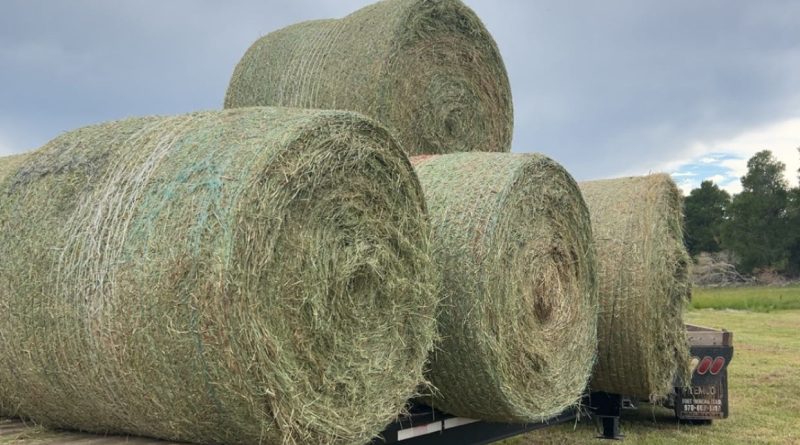
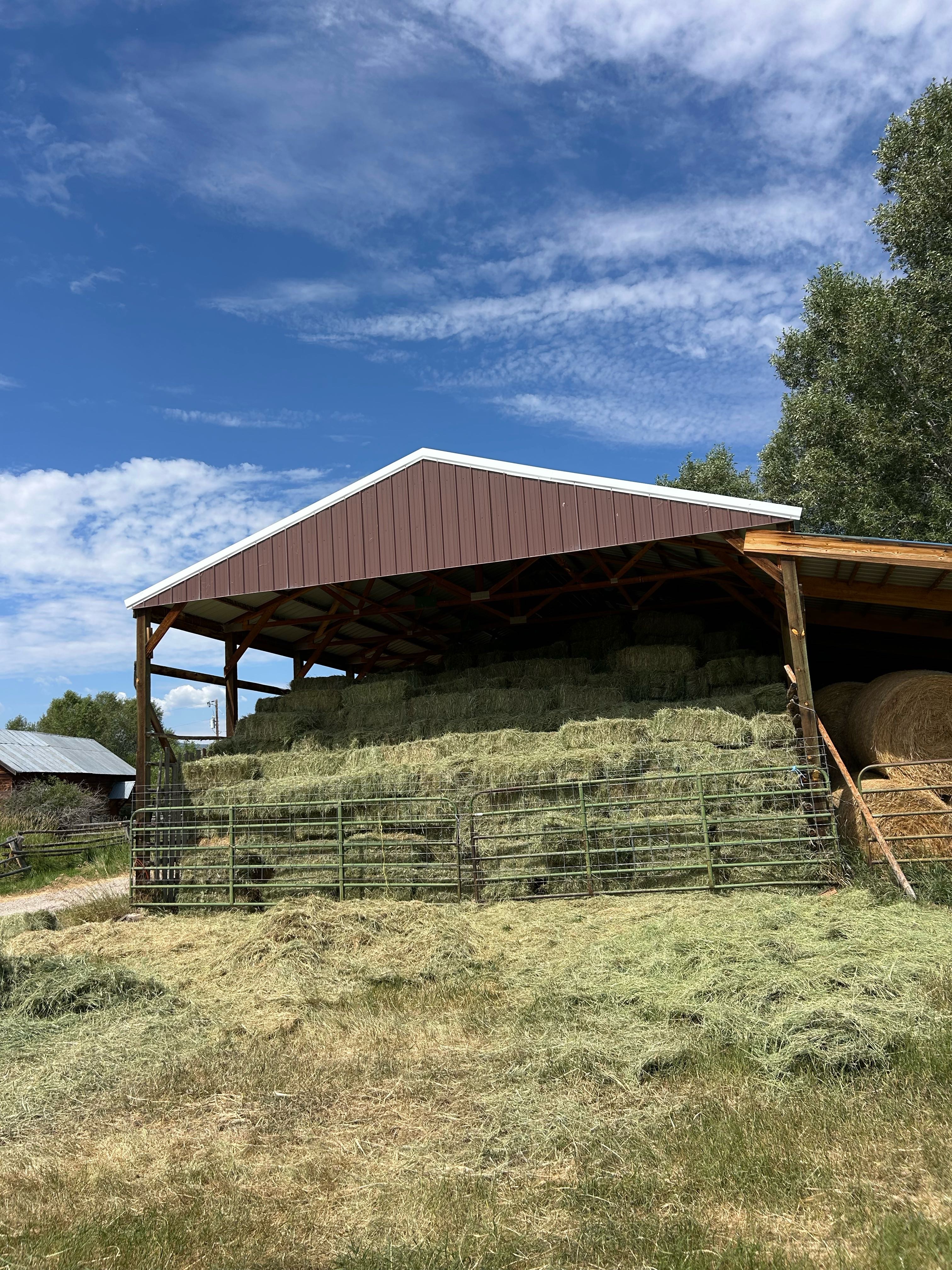
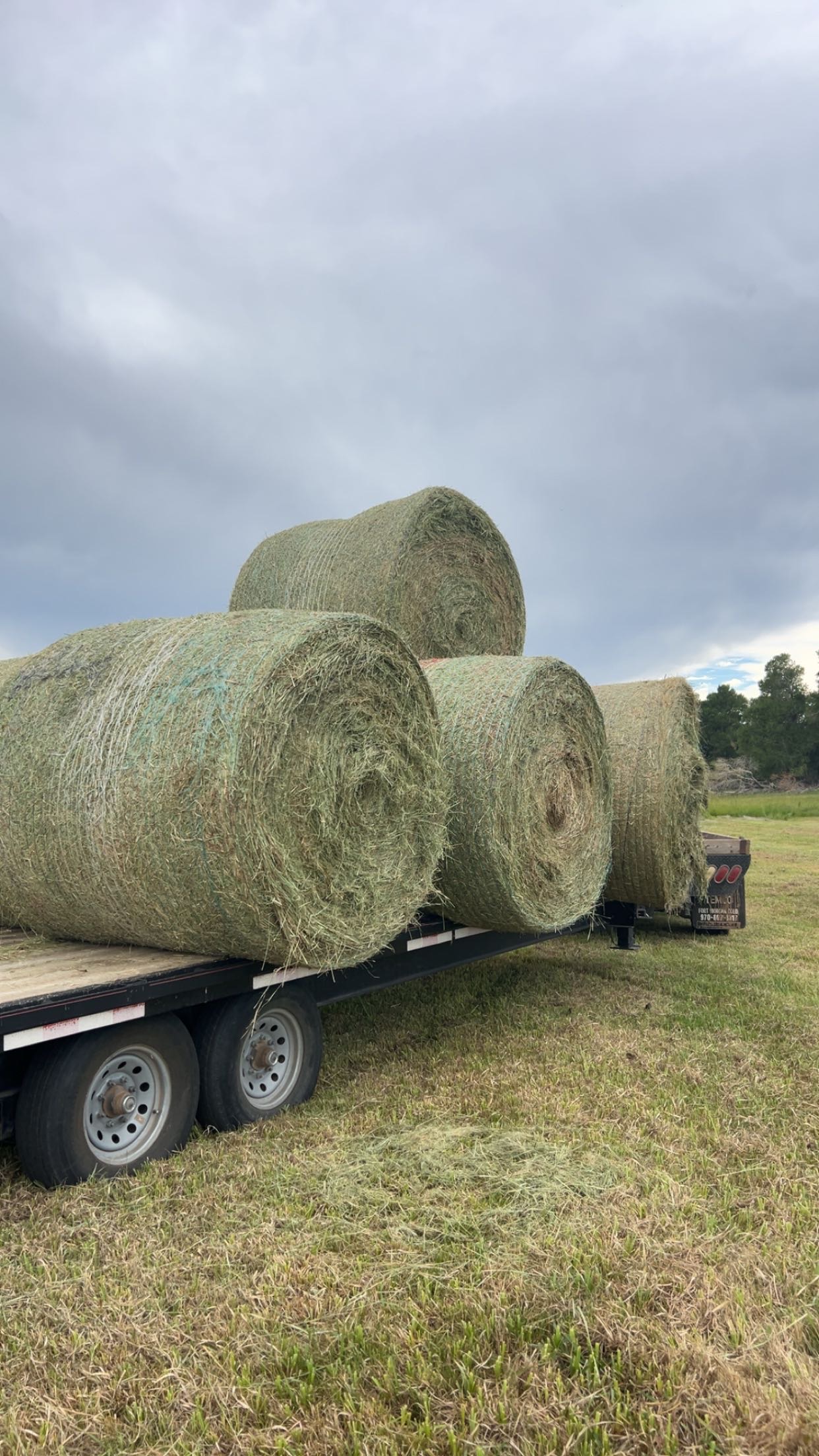
Week seven at the Ranch was mainly a transition week for us. We gathered the rest of the square bales off of the last field and put three trailer loads into the barn. Then, we switched the focus from square baling to round baling. The last field on the home ranch was cut and baled towards the end of this week. This meant that it was time for us to begin turning on the water to start irrigating again. We went from irrigating two fields to irrigating six fields with the flow of the water turned back on. Additionally, we had to be conscientious of the neighbors when turning on our water because they were haying and we didn’t want to flood their fields. After finishing at this place, we took the wind rower, round baler, and the rake over to the lease property to begin cutting there.
In one of our fields that we were haying this week, there is a large leak from the Reynold’s Ditch that dumps into the field and creates a large marshy zone that cannot be cut. This causes a large quantity of hay from that field to be missed and therefore wasted. I propose that during the winter, there should be work done to isolate the leak and then either patch it or put a tarp in the ditch that will mitigate water loss. Hopefully one of these solutions will work and then that wet patch will be able to be cut next year.
When we began cutting the hay on the lease property, a good portion of the field was still wet even though the water had been turned off there for about two weeks. After doing some investigating, there was a hole just to the east of our gated pipe on the east region of our field that was consistently bubbling out water. My host then went on to tell me that it was probably due to a buildup of pressure from the neighbors headgate originating. He then went down on the neighbors property to open about 20 gates and help relieve the pressure to prevent the water leaking into our field and making it impossible to cut. However, there is still a part of the field that is marshy and overrun with canary reed grass which only grows in wet conditions. I want to know where the water is coming from and how we can mitigate it in the future.
One thing that I have learned this week that I can see translating to my everyday life after this experience is perseverance and problem solving. Ever since the last one to two weeks, one part of the property has been my problem child. I’ve been using my resources to extend our water and use it all as efficiently as possible. There’s a significant dry patch that I have been working on watering this past week. I put two pipes onto a T that pointed at that spot and have been letting the endcap run water. Next, I am going to open gates along the new pipe to water in the west instead of the north. This is just an example of the problem solving skills that I have developed in the past week that are going to stick with me for the rest of my life.
Submitted by: Kaylee Pearce
Edits by: GrowinG Internship Team