Meat Processing, Moving Chickens, and Managing Water
#bfrdpwy #aginternship #RightRisk
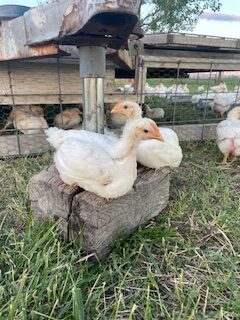
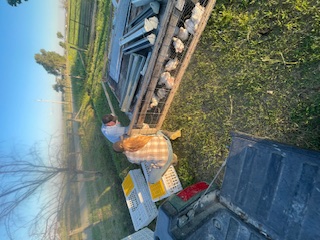
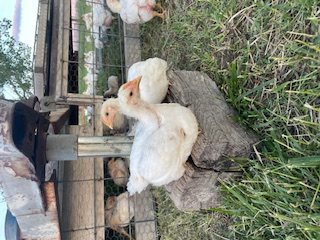
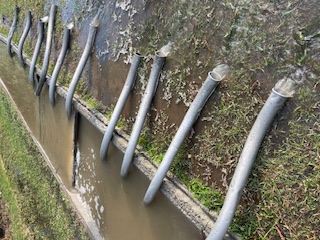
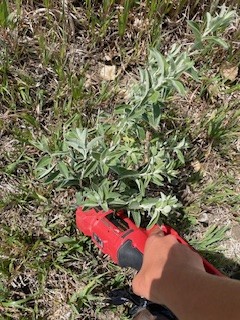
This past week I got to help process lamb at the Central Wyoming College’s meet processing facility. This opportunity helped me grow some new connections in the area and gain experience in processing and fabrication of meat products. I helped my hosts move our meat chickens out to pasture. This process involved using crates to safely transport chickens without causing injuries. I helped assemble a chicken tractor, which is a flat bed trailer with detachable walls to provide shelter for the chickens underneath. This week I also spent a lot of time groundskeeping, involving weed control through pulling and trimming weeds to maintain the property. I also spent some time assisting with irrigation, both with gated pipes and ditches.
I learned about the pros and cons of different types of irrigation ditches. Dirt ditches are less efficient because the ground absorbs moisture as water flows through the ditch. The concrete ditches are more efficient, however they still limit the area that you can irrigate. Gated pipe allows for us to irrigate the bottom of our pastures without watering the top half. This can help prevent overwatering. This farm uses a mix of all these practices; however I believe that it would be a good idea to contour the field to prevent large amounts of standing water in the middle of our pastures. This standing water is causing swamp grasses to grow and preventing adequate growth of more desirable grazing grasses.
I also got the opportunity to use the tractor to corrugate our fields in attempts to bring water to higher ground. Unfortunately, this did not work very well, and I believe that in order for it to work we would have to slope the pasture before corrugating it.
I am wondering why the farm has not tried to grade their pastures to help grass growth and ease irrigation. Although this would damage grass growth until new grasses are established, it could significantly help with irrigation and pasture health in the future. This week’s time spent handling weeds has sparked some curiosity in me regarding other management tactics that would decrease the amount of labor for weed control. I think that implementing natural herbicides, such as vinegar, or using their livestock to graze weeds on their property, would leave time for us to work on other projects and activities. Although my host likes to limit herbicide use, I think that using Round-up or an alternative on parts of their property that are not used as grazing land could help decrease time spent on hand-pulling weeds.
I have spent a few afternoons at the neighbor’s, where I have been able to learn several animal husbandry skills through hands-on work with horses. Riding has taught me a lot about patience, not just with animals but especially with myself. It is easy to ride a horse but learning to correctly control and cue a horse has been a challenge for me. It has been amazing to watch my riding and my confidence on horses improve. These improvements would not have been possible if I was not patient with myself. The skills I have learned from horses will help me in so many future aspects of my life, such as learning, teaching, and just normal day-to-day interactions.
| Submitted by: Teagan Halsey Edits by: GrowinG Internship Team |