Rattlesnakes, Storms, and Mountain Trails
#bfrdpwy #aginternship #RightRisk
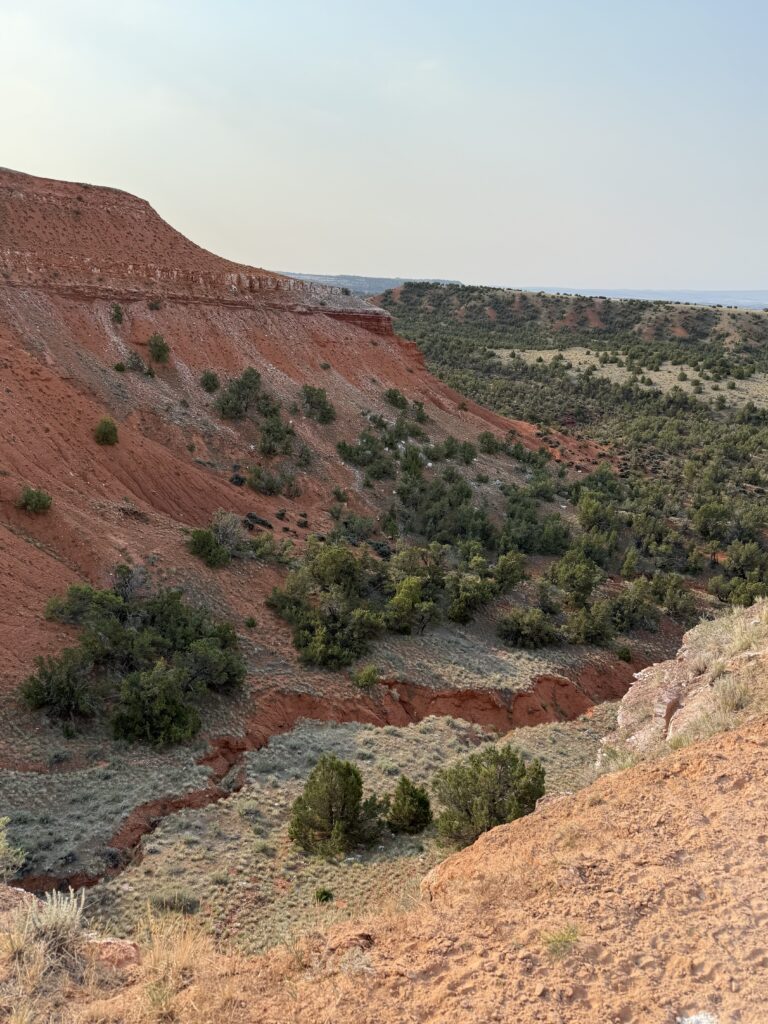
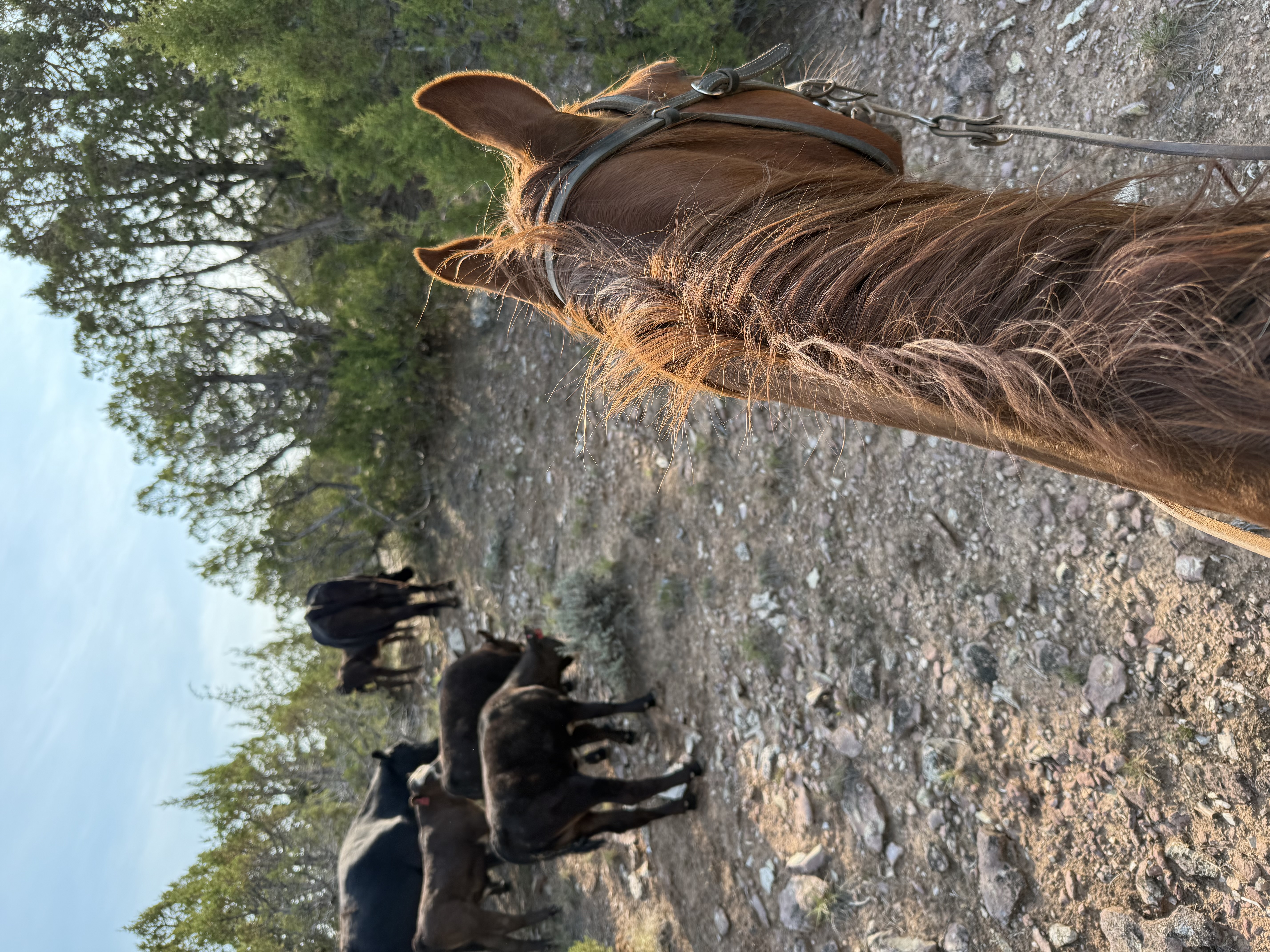
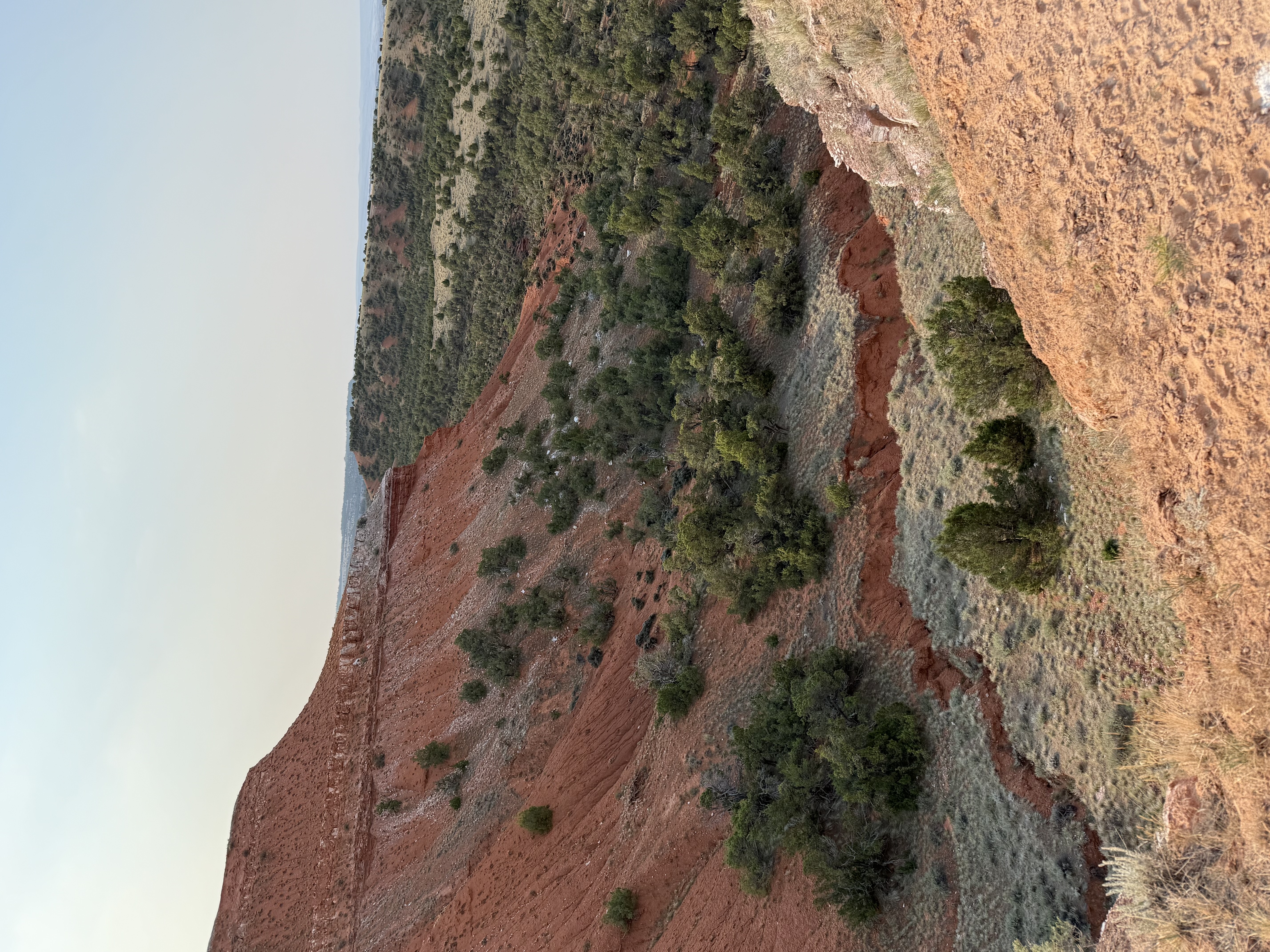
This week was one of the most memorable weeks of my internship so far because we began trailing cattle from the hills up to the mountain. We spent the entire week on horseback moving cattle through rough terrain, and every day brought a different experience. Our mornings started early enough that we were often horseback in time to watch the sunrise, which quickly became one of my favorite parts of the day. Throughout the week we traveled through thick trees, narrow mountain trails, and along the edges of steep cliffs while keeping the herd moving. We also experienced unexpected challenges, including riding through a thunderstorm and encountering rattlesnakes.
During this week I learned a lot of different things. I learned how to properly kill a rattlesnake, and that was pretty cool to see how it is done. I learned that you can never trust the weather app. I learned that when going through the trees your horse doesn’t always take account for you being on their back when going under shorter branches. Overall, this week I’ve learned so many little things that you don’t really take into account until they happen to you first hand.
One of the major things I learned this week was how much effort goes into maintaining a ranch operation behind the scenes. Before this internship, I often thought of ranch work as primarily involving direct interactions with livestock. However, I have learned that cleaning facilities, maintaining equipment, and organizing cattle are equally important responsibilities. These tasks may not always be the most exciting, but they ensure that larger projects can be completed safely and efficiently. Seeing how much time is devoted to preparation has given me a better appreciation for the planning and organization required to operate a successful ranch.
This week also caused me to reflect on how productivity is measured in agriculture. It can be easy to view weeks filled with major events, such as branding, trailing, or moving cattle long distances, as the most important. However, I would challenge the idea that productivity is only defined by visible accomplishments. The work we completed this week may not have appeared as significant from the outside, but it was necessary to keep the operation running smoothly and prepare for future work. Without regular maintenance and preparation, larger ranch activities would be much more difficult and less efficient.
This week taught me that trailing cattle is about much more than simply moving them from one location to another. It requires constant awareness of the terrain, weather, livestock behavior, and the safety of both us and horses. Every day required teamwork and communication because everyone had a role in keeping the herd together and moving at a steady pace. Seeing how experienced ranchers anticipated problems before they happened helped me better understand the level of planning and decision-making involved in a successful cattle drive.
One idea I would challenge after this week is the assumption that cattle drives are predictable once they begin. Prior to participating in several days of trailing, I imagined that each day would follow a similar routine. Instead, I learned that conditions can change very quickly. Weather, wildlife, difficult terrain, and the behavior of the cattle all influenced how each day unfolded. Ranchers have to constantly adapt their plans and make decisions based on what is happening around them rather than relying on a fixed routine.
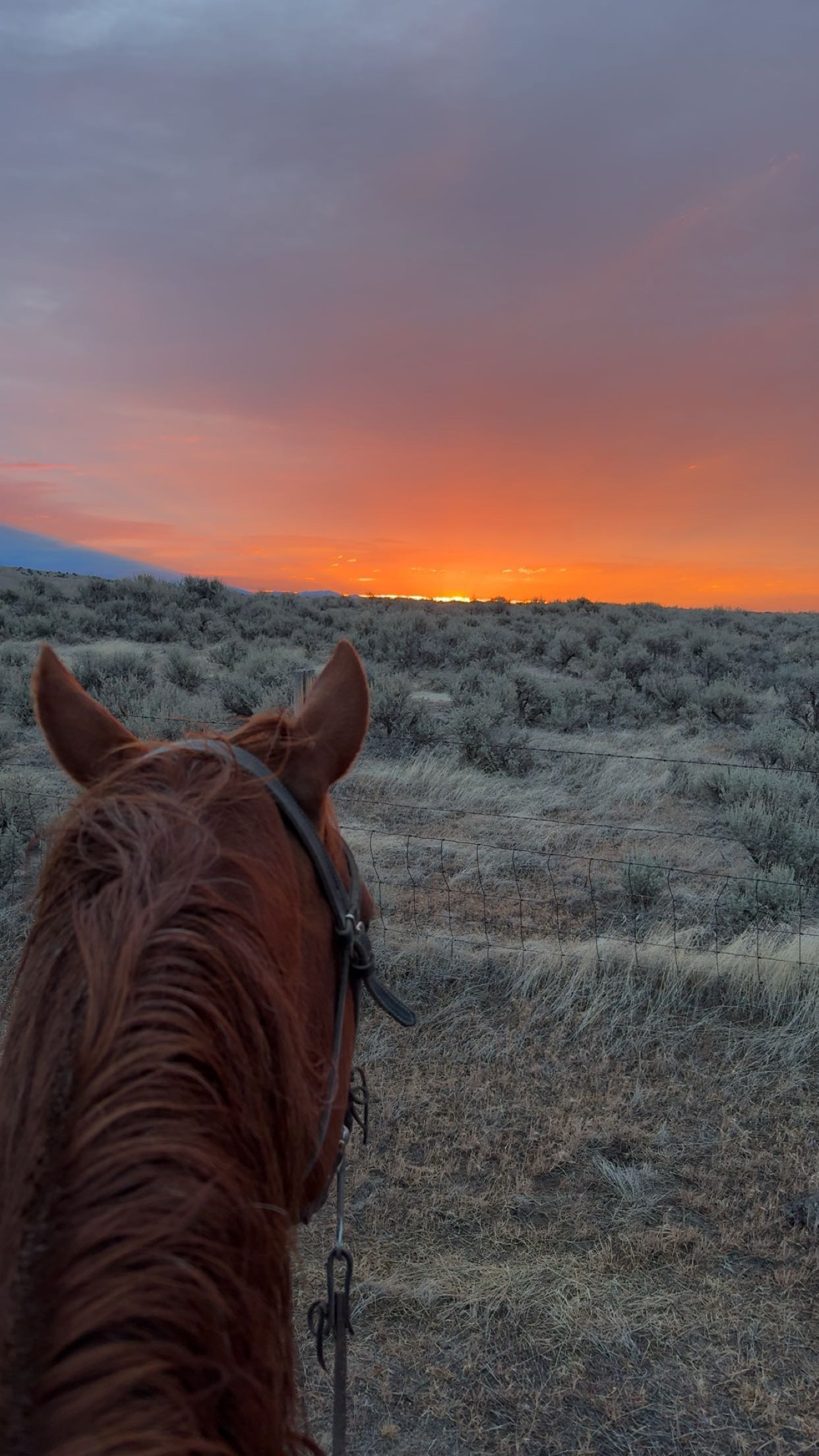
This experience also made me appreciate how important horsemanship is during a cattle drive. I had not fully realized how much trust exists between a rider and their horse, especially when traveling through rough country. Riding steep mountain trails, crossing uneven ground, and navigating through timber required both the horse and rider to work together. Watching how experienced riders relied on their horses in challenging situations showed me that a good horse is one of the most valuable tools on a ranch.
After spending the week trailing cattle through the mountains, I still have questions about how ranchers plan these drives. I would like to learn more about how they decide which routes to take, how they estimate how far the cattle can travel each day, and how weather conditions influence those decisions. I am also interested in
learning more about how ranchers prepare horses for long days in the mountains and what they do to keep both the horses and cattle healthy throughout the drive.
Looking ahead, I plan to use what I learned this week to continue developing a better understanding of how every part of a cattle drive fits into the overall management of a ranch. Experiencing the challenges of mountain trailing gave me a greater appreciation for the preparation, teamwork, and adaptability required to move cattle safely across difficult terrain. It also reinforced many of the concepts I have learned in class by showing how they are applied in real-world situations. This week was one of the most rewarding experiences of my internship, and it gave me an even greater appreciation for the dedication and knowledge required to manage cattle in this type of environment.
| Submitted by: MacKenzie Jones Edits by: GrowinG Internship Team |