From Electric Fence to Effective Leadership
#bfrdpwy #aginternship #RightRisk
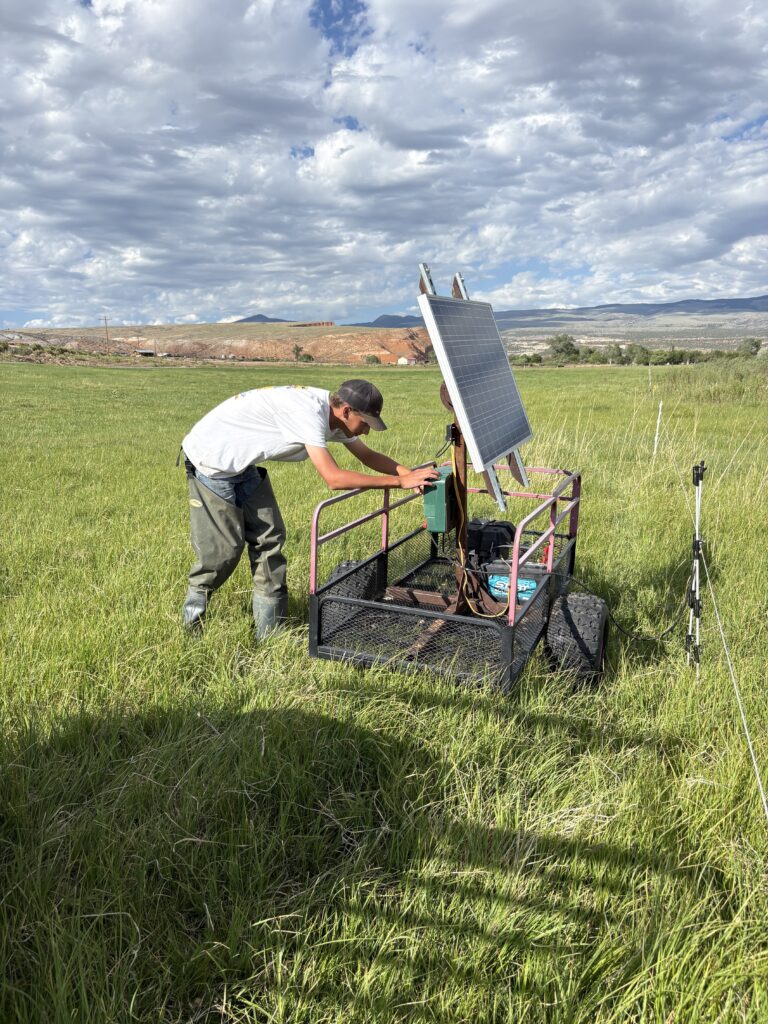
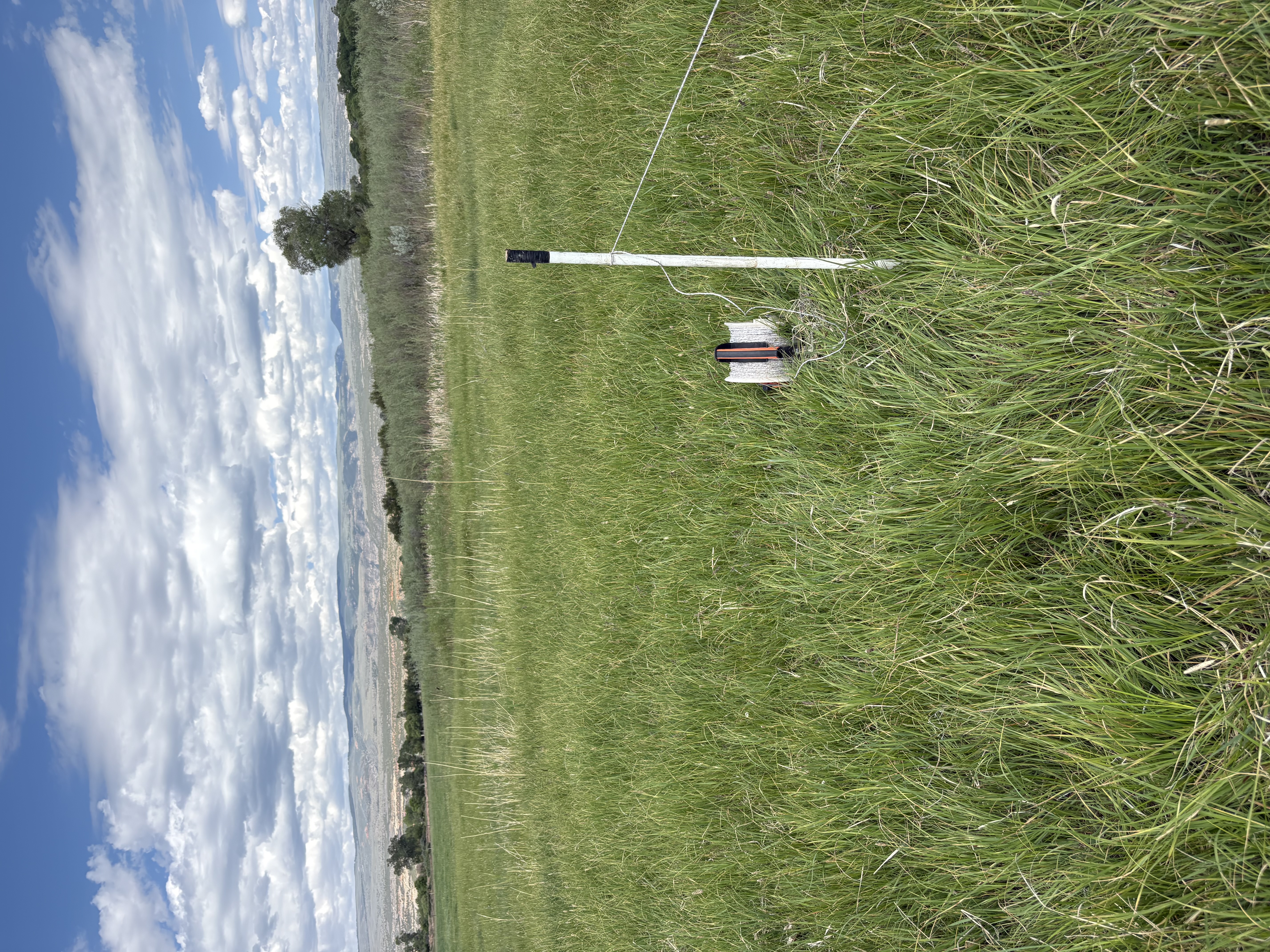
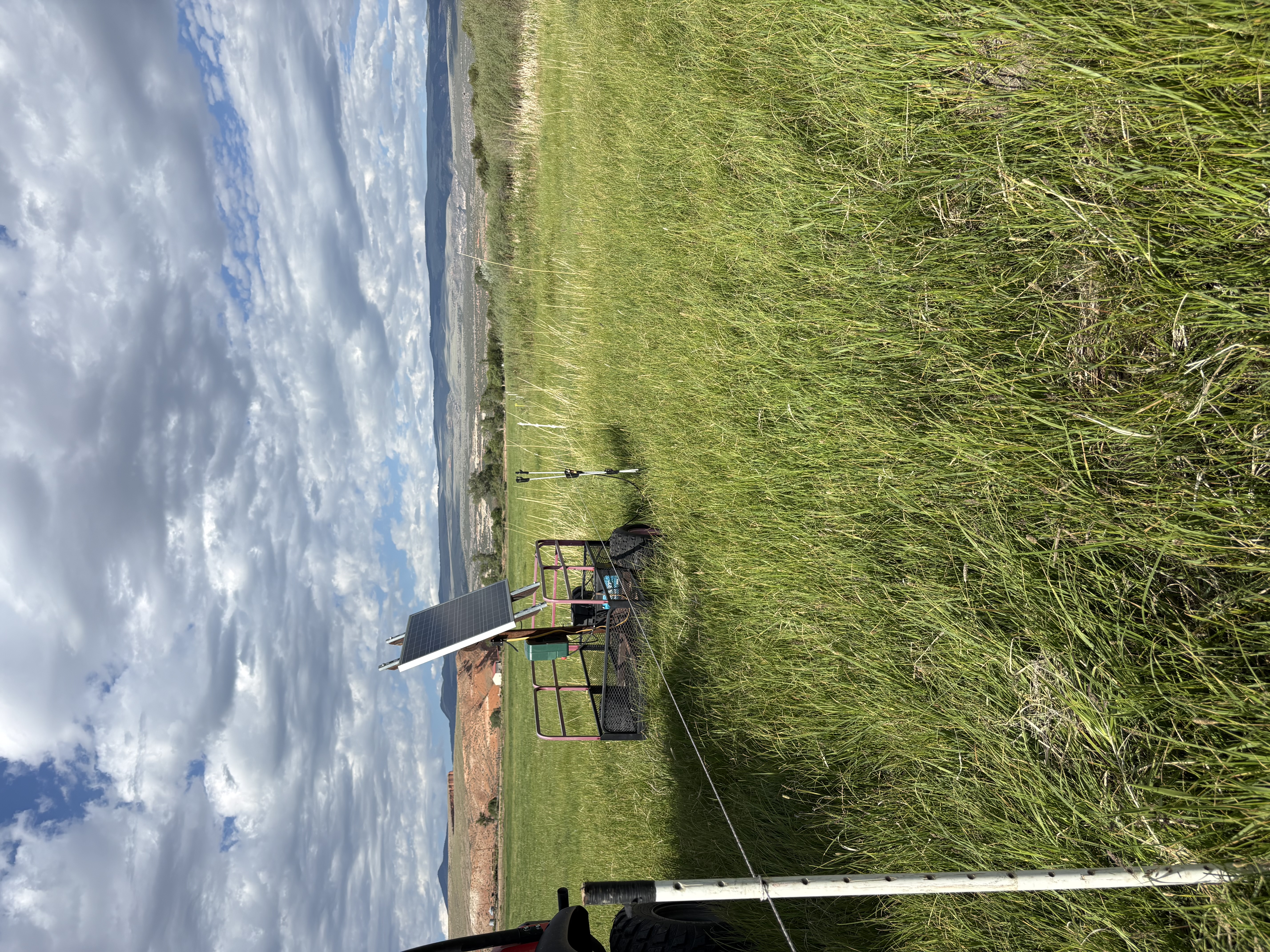
This week one of the jobs I was asked to complete was building a temporary electric fence around a small section of a pasture. We set this electric fence up so we could move bulls out of the corrals and onto pasture to reduce hay usage. I completed this with the help of my host parents’ son, who was able to show me how to put up electric fence, while teaching me some tips and good rules to keep in mind while completing the task. This was another example displayed through this internship where I was able to learn so much from those who are younger than me. This supports the fact that you can learn from everyone, and knowledge comes from the experience you have, not your age.
A few days later, after we finished putting up the fence, we noticed that the bulls were sticking to a few key areas to graze outside of the willows as opposed to utilizing more of the pasture. To help fix this issue, I placed a mineral tub and mineral block in different areas of the pasture to hopefully encourage the bulls to utilize the whole area. I enjoyed this task because it allowed me to apply some of the livestock distribution techniques that I learned in class to a real-life scenario.
The lesson I learned this week was about ranch management. On a trip up the mountain to do some work, I got to talk to my host about the various ranches he has managed, and what advice he can share about managing a crew to keep them content while simultaneously keeping the operation running smoothly. He gave two big ideas that really stuck out to me. The first idea he shared was as a ranch manager, you want to “eliminate” your job. When I first heard him say this, I thought he was crazy, why would I want to eliminate my job, he made it sound as if the first thing I wanted to do when managing an operation was to get fired.
After a few seconds of confusion, he began to explain what he meant. He told me that as a manager you want to train those you are working with so well that after a while, the operation can run smoothly without constant guidance from you as a manager. Instead, everyone knows what tasks they must complete, and how to complete those tasks correctly, so you can simply be somebody working with them, reducing the need to constantly guide them and fix mistakes.
After the explanation, I understood what he meant and began to reflect. He does not mean that a manager’s job is useless and should be eliminated, as that is far from the truth. It is more about the idea that as a good manager, if you communicate exactly what you want done and how it needs to be done, you can complete other tasks without having to worry about productivity of the operation when you aren’t present.
He also told me an important practice as a manager is doing some of the most tedious jobs that nobody wants to do. He explained to me why this is important. First, he pointed out that often those cruddy jobs that nobody wants to do can be crucial to an operation running smoothly, and sending people who care less about the operation to do these taxing jobs might result in a lack of motivation, leading to mistakes.
.jpeg)
Secondly, he pointed out that doing these jobs even in a management position will show those working “under” you that you possess a heathy amount of humility, and display to them firsthand that no job is below your label as manager. I think this is one of the most important values that a leader in agriculture can possess. Showing that every job on a farm or ranch is important will hopefully create a sense of equality in the workplace. Therefore, nobody should be less in the eyes of anyone because in the end, everyone is an important piece of the puzzle that’s keeping a place afloat.
I believe that making that known to your co-workers will boost morale and create a healthier workplace. Overall, these lessons really stuck out to me, and I will keep these ideas in the back of my mind, applying them as my career in the agriculture industry progresses.
| Submitted by: Jonah Verhoef Edits by: GrowinG Internship Team |