Patience, Planning, and Pasture Moves
#bfrdpwy #aginternship #RightRisk
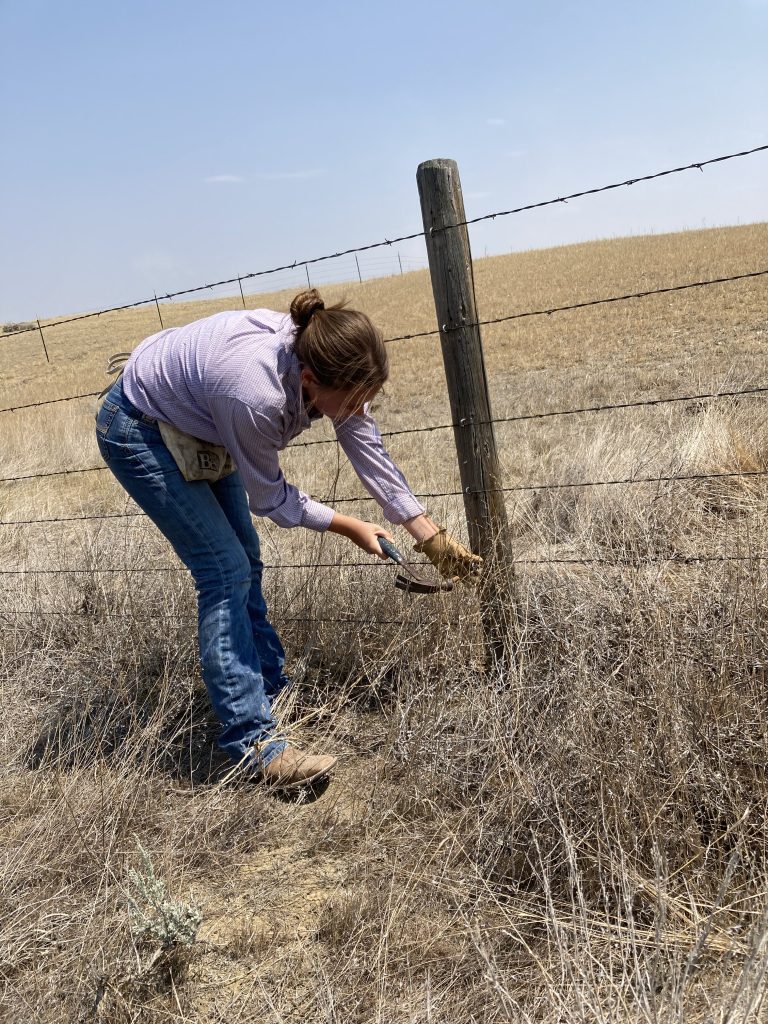
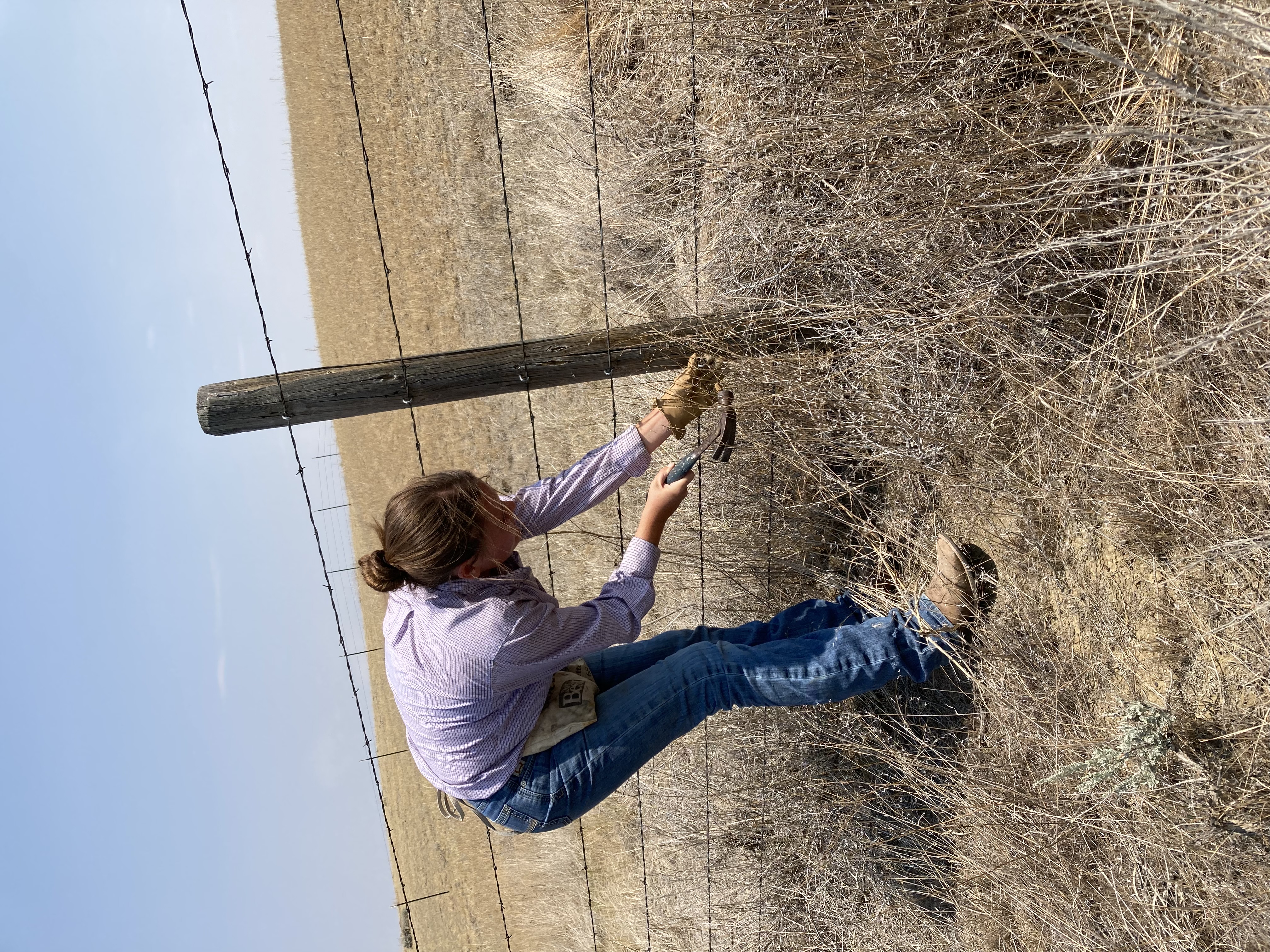
Week 7 was a hands-on, satisfying week that gave me a real sense of what ranch maintenance looks like from the inside. We started with the monthly meeting to go over the agenda, assign tasks, and make sure everyone was on the same page about what needed to get done in the weeks ahead. I think making sure everyone is on the same page is a good thing cause ranching involves so many moving parts that clear communication and planning make a genuine difference. Before any cattle were moved, my host and I drove the perimeter of the new pasture to fix the old fencing and make sure it was secure enough to hold the herd. Fixing fence is a task I have done a few times now, and I feel comfortable with most of it. The point I struggle with is still putting in new clips. I am slower at it than I would like to be, and when you are working alongside someone else, I feel bad for being slow but it is something I want to keep practicing so it does not take longer than needed.
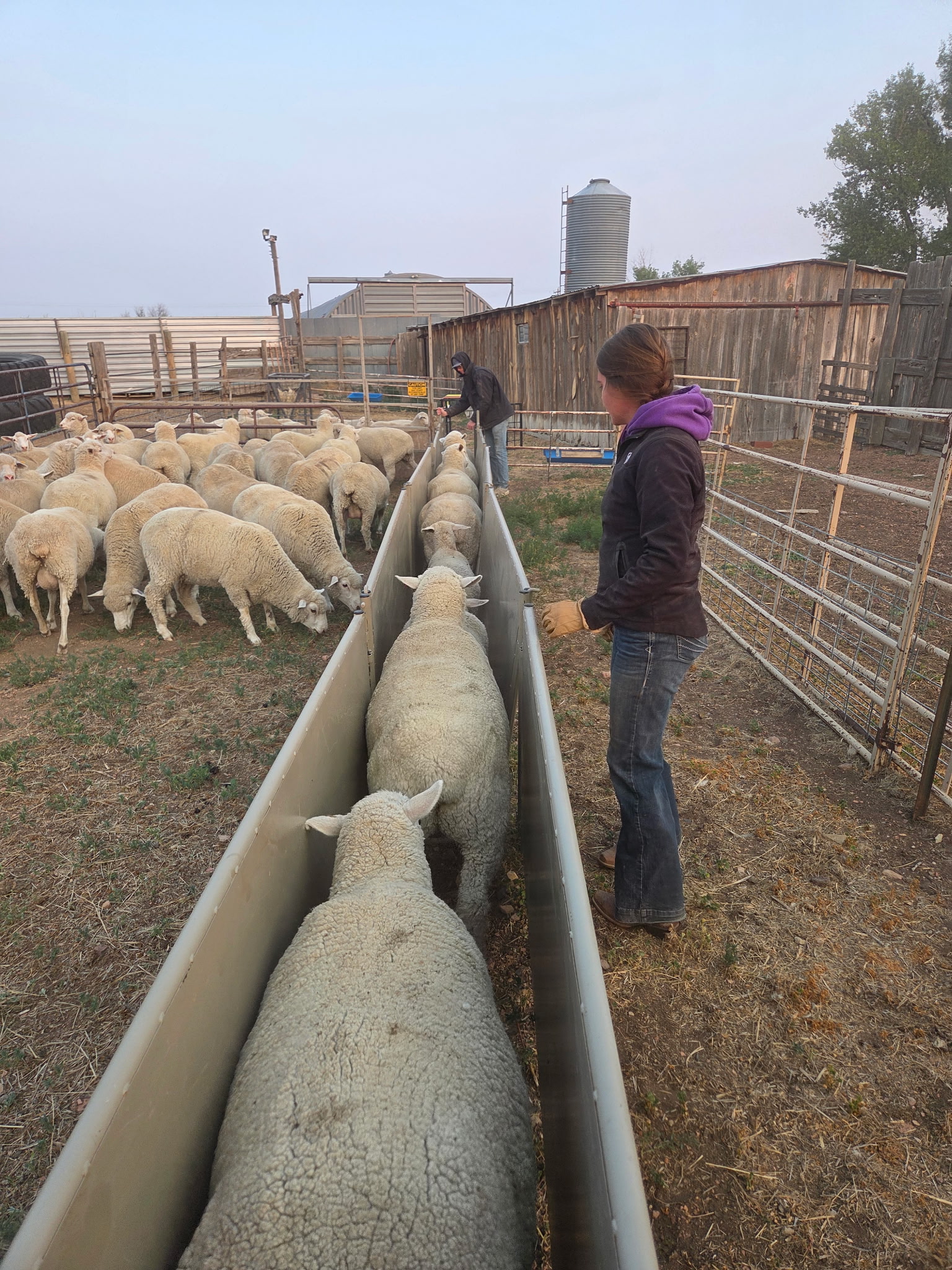
The main focus of the week was moving the cows from the homestead to a new pasture about two miles out. The move serves a dual purpose. Getting the cattle onto fresh grazing while also freeing up the homestead so the land can recover and eventually be used for the sheep’s winter grazing. I have moved cattle a handful of times now, so the process itself was familiar. We stopped the cattle about halfway to let them water before continuing the rest of the move the following morning. The bigger challenge was one of the bulls that was in front would walk side to side in front of the herd which repeatedly stalled the cows behind him. It required a lot of patience to keep nudging things forward without pushing too hard and scattering the group. That patience is something I have been working on all summer, and situations like this one are exactly why. When you are responsible for the wellbeing of the animals, you need to stay calm and do what is best for them, even when it takes longer than you hoped – that is what the job actually requires. I am genuinely grateful for the opportunities this internship has given me to practice that.
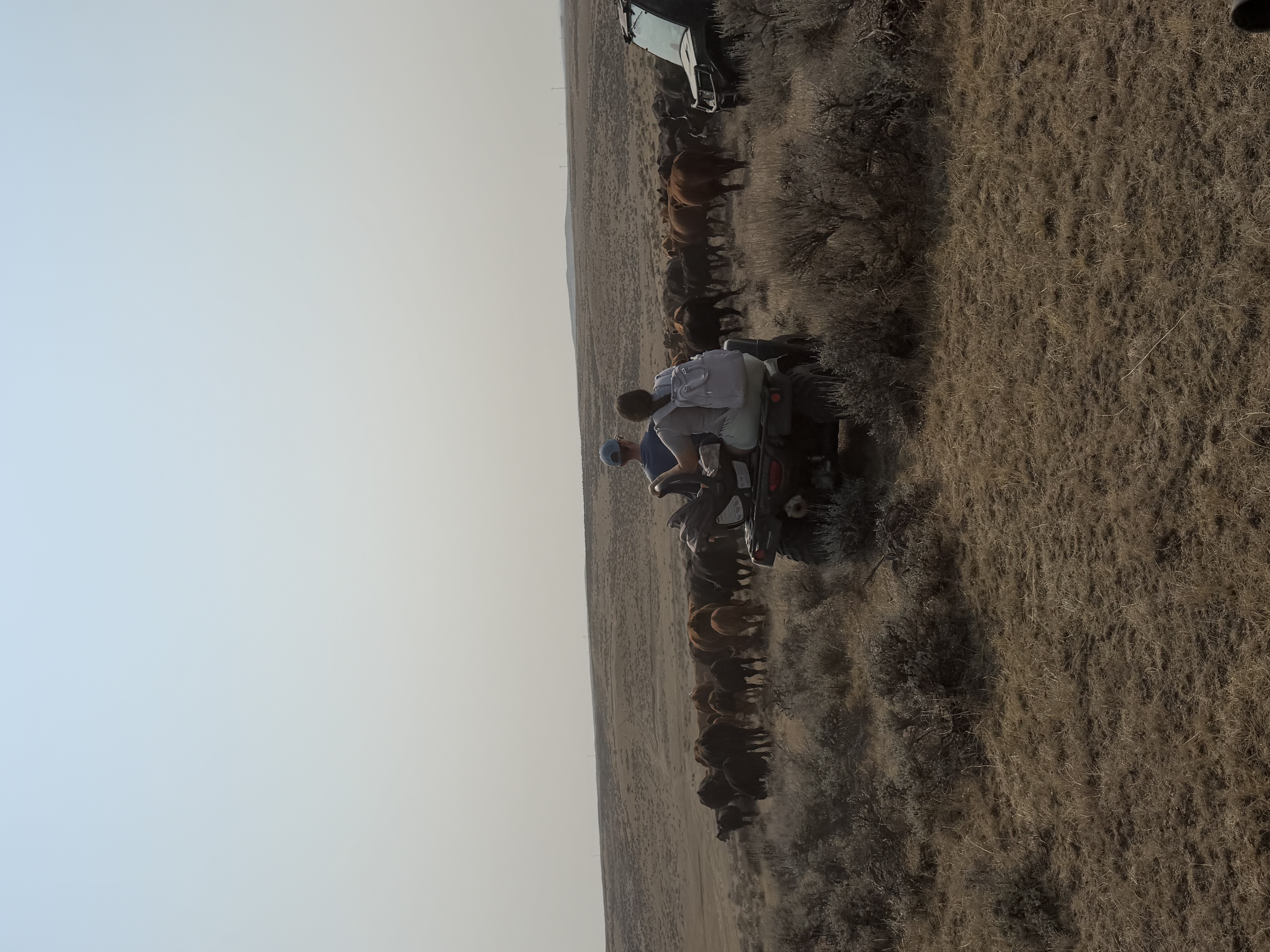
This week also involved a significant amount of work with the sheep. We brought all the ewes and lambs in, weighed the lambs, and weaned them. From there we checked each ewe’s teeth and bags, marked the ones that are likely headed to sale, and separated the yearling ewes from the older ones. The following day we moved the lambs to a small grazing area where they will stay for about a week, then turned our focus to moving the ewes to a new pasture out west. That part did not go entirely as planned. After getting them settled and watered, I went back to set out the guard dog’s feeder, and by the time I returned the ewes had made their way almost all the way back to their old location. The plan shifted to moving them out to the homestead instead, which ended up being the better option.
One of the most interesting tasks of the week was helping the in-laws pull a well. I had never done anything like it before, so I went in not knowing what to expect. What was supposed to be a straightforward job ended up taking considerably longer than usual. We installed a new pump, but it did not work. We checked the connections, tried again, and it still would not function properly. Eventually we traced the problem to the wiring running up along the well casing, which needed to be fully replaced. It was a longer afternoon than anyone planned for, but I actually appreciated the extra time it gave me to learn. Each troubleshooting step taught me something, and by the end I had a much better understanding of how a well system works and what can go wrong with it. That is the kind of knowledge you only pick up when things do not go according to plan, and I walked away from it feeling like I had genuinely learned something useful.
Submitted by: Kaci Jericoff
Edits by: GrowinG Internship Team