More Than a Festival: Lessons from the Sheep Industry
#bfrdpwy #aginternship #RightRisk
This week felt a little different, and I want to write about it differently too. Rather than walking through each day task by task, I want to focus on what I took away from the week, because the lessons were bigger than the to-do list. The hands-on ranch work was lighter yet I cleaned out the chicken coop, which is one of those unglamorous but essential jobs that keeps the flock healthy, and I spent time inputting the data we collected from the rams last week. That data entry work might not sound significant but sitting down and recording it drove home just how important consistent documentation is. You cannot track progress, make informed decisions, or plan without it. Every week on this ranch I find another example of something that could easily be skipped or brushed aside that turns out to be quietly essential. This week gave me two more.
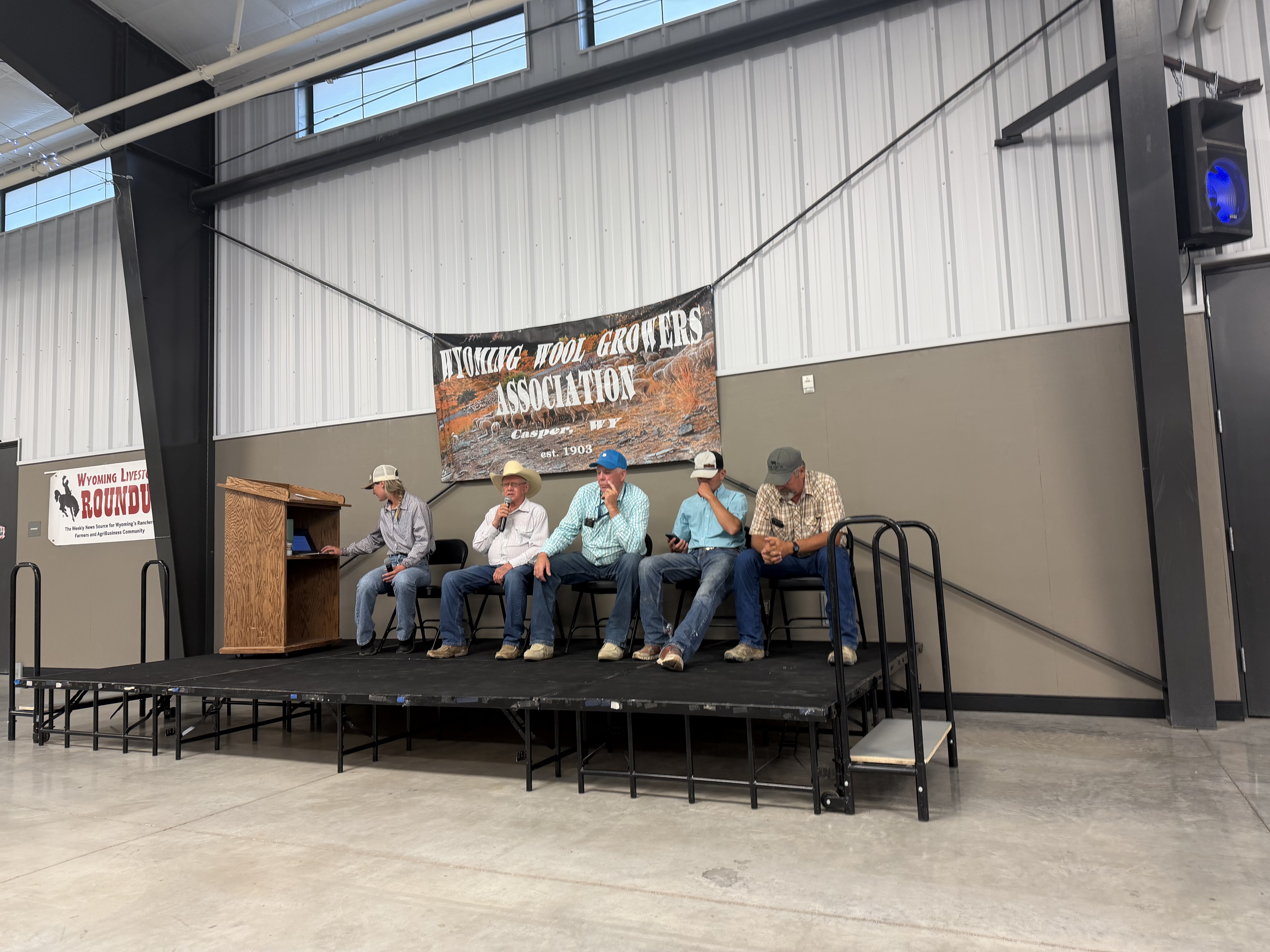
On Friday I left with two families to attend the Sheep and Wool Festival in Powell, Wyoming, staying through Saturday. I came into it with no expectations and no real sense of what it would be, which turned out to be a good thing. The festival is open to the public and designed to give community members a genuine look at sheep ranching, how wool is produced, what it can be used for, and how sustainable and efficient the process can be. There were educational workshops, hands-on activities, and events like sheepdog herding demonstrations. On Friday evening I helped set up displays and get things ready for the opening reception, which featured four sheep ranchers from the committee who sat down and answered questions from the audience about running their operations, the challenges they face, what keeps them going, and what they wish more people understood about their work. I could have sat in that room for hours. Hearing four different people describe four different operations, each shaped by their own land, their own circumstances, and their own decisions, reminded me again of how much variety exists within a single industry.
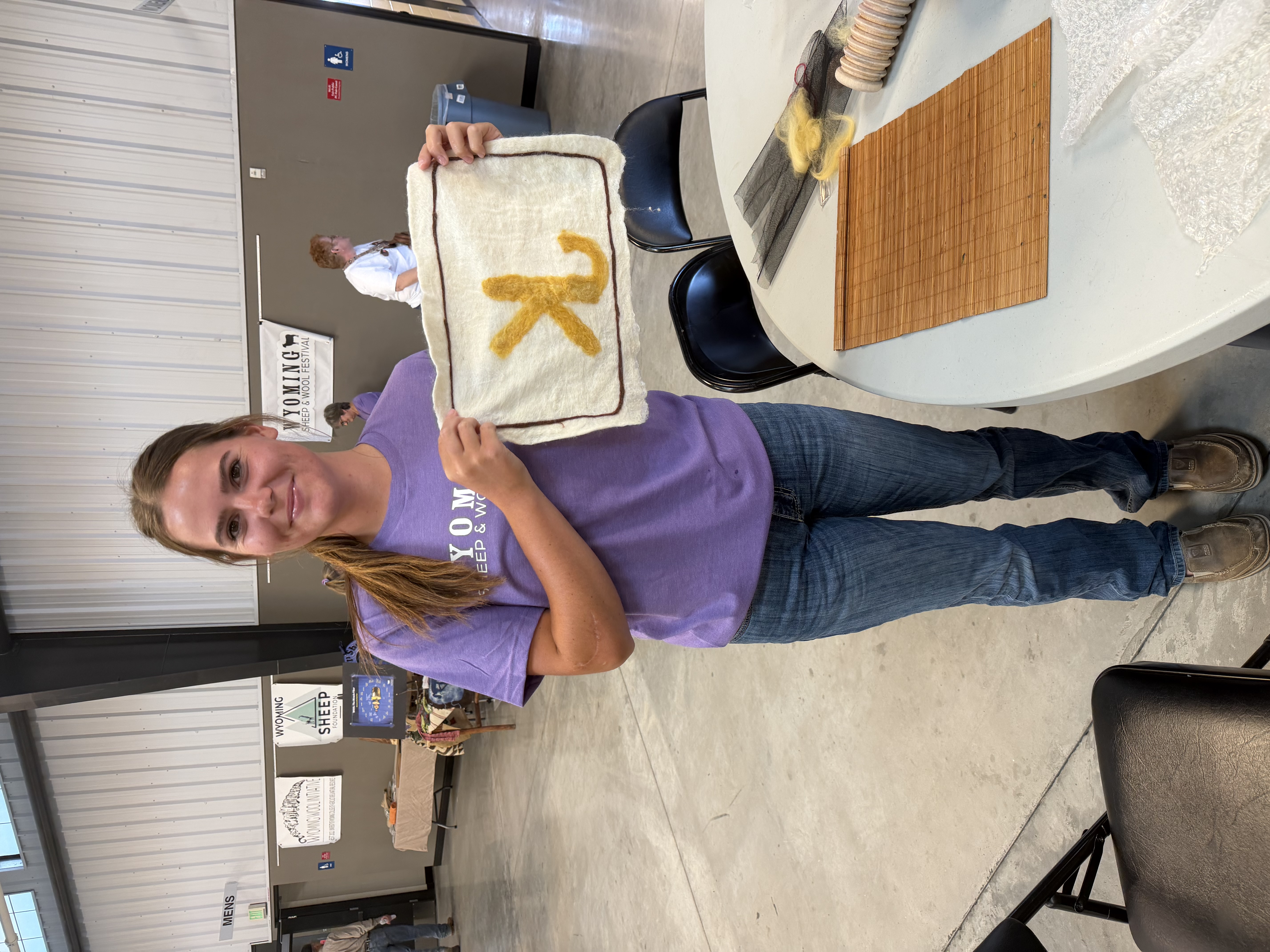
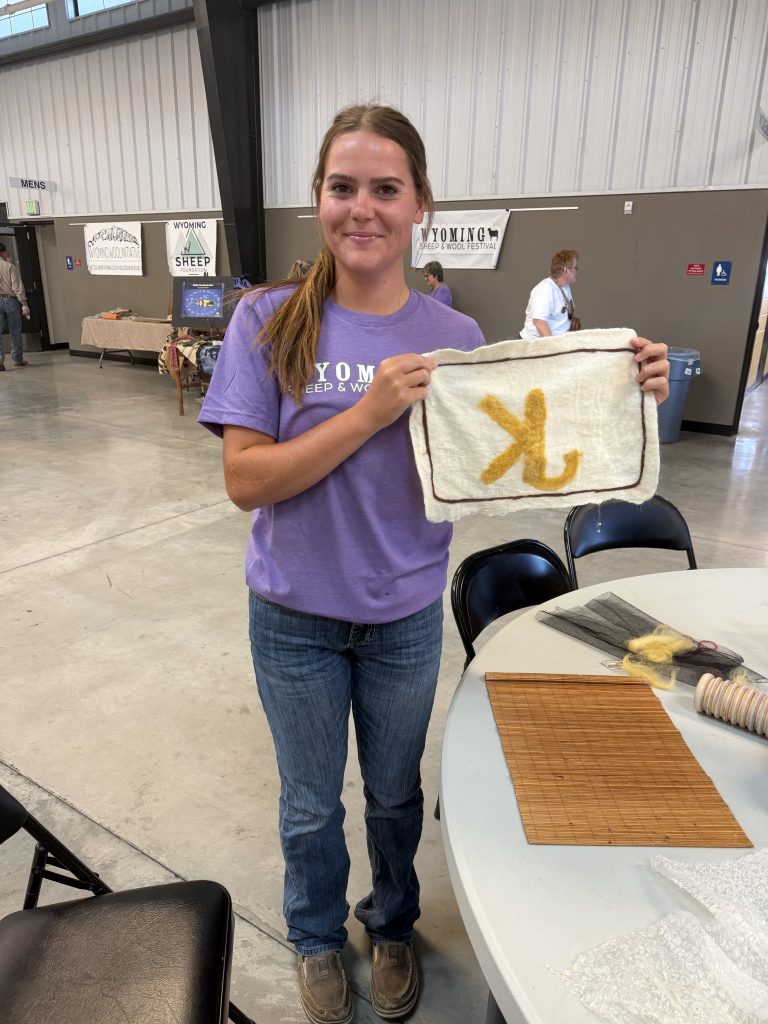
The festival did not draw the crowd it normally does. Attendance was lower than usual because the date had been shifted back two weeks this year, which put it in direct competition with several other fairs happening around the same time. Typically there are a couple hundred visitors over the course of the event; this year there may have been a hundred total. That was a little disheartening to see, but the people who were there made it worthwhile. I watched some of the sheepdog herding competition, which was genuinely impressive. There were different skill levels on display, and watching the dogs work like how responsive they were, how much they could accomplish with just a whistle and a gesture. I did not expect to enjoy as much as I did. I also took part in a wool craft workshop where we made a small tapestry using wool. It was a lot of fun. I got to experiment with needling, learned about different wool types and colors, and came away with a real appreciation for how much can be done with a material I had not thought much about before.
The conversations I had over the weekend were probably what I will carry with me the longest. Talking to ranchers and vendors, I kept hearing a similar theme: fewer and fewer people are staying in the sheep business. Some are selling, some are simply closing down, and many have no one in the family willing or able to take over. I met two families in that exact situation. No one to pass it on to, no clear path forward for everything they have spent their lives building. One family had enrolled in the H-2A program, which allows agricultural workers from countries like the Dominican Republic to come work for them legally, provided they meet the requirements. Even with that option available, they described how difficult it is to find workers who qualify, and how often the ones they do find eventually move on. It was sad to hear this. These are not people who gave up but they are people who are doing everything they can to keep going.
What balanced that heaviness was the warmth of the community itself. As an outsider, I was welcomed immediately. People were open, generous with their time, and genuinely willing to share their stories and knowledge with someone who was just there to learn. That kind of openness says a lot about who these people are. But the underlying challenge is hard to ignore: the pipeline of young people coming into agriculture, and specifically into the sheep industry, is shrinking. Festivals like this one, educational programs, internships all matter and they all help. But at the end of the day, no amount of programming can substitute for personal passion and a genuine desire to do this work. That is something that must come from within. I left Powell thinking about what role I might be able to play when I return home. In my small, everyday moments where I might be able to encourage someone or share what I have seen and learned this summer. If this internship has given me anything beyond new skills and experiences, it is a deeper sense of responsibility to advocate for this industry and the people who pour their lives into it.
Submitted by: Kaci Jericoff
Edits by: GrowinG Internship Team