Haying Season, Hard Lessons, and Ranch Priorities
#bfrdpwy #aginternship #RightRisk
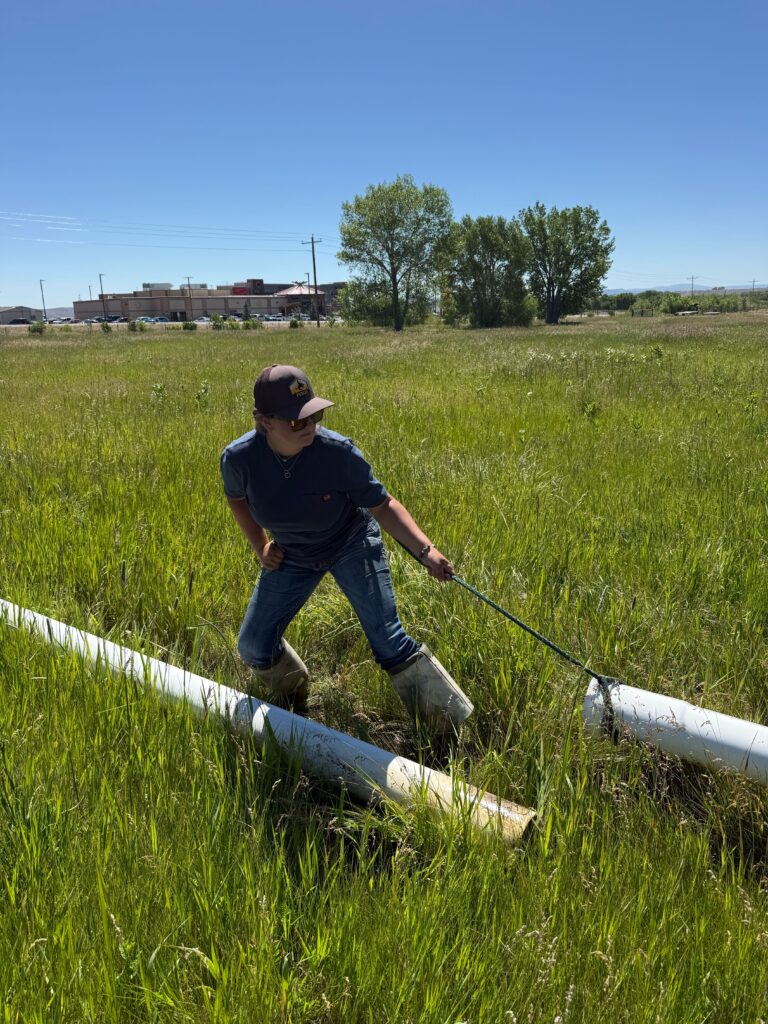
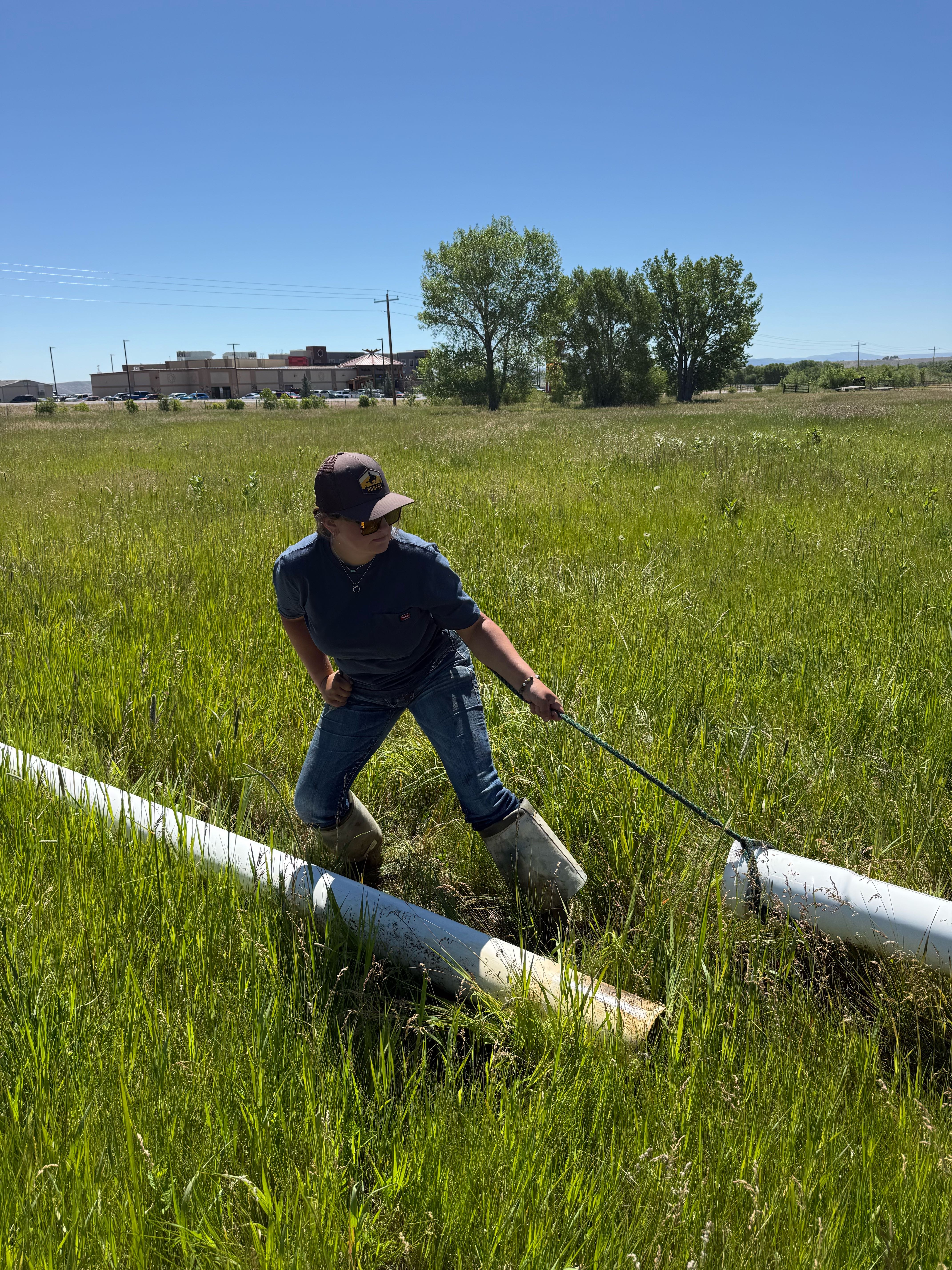
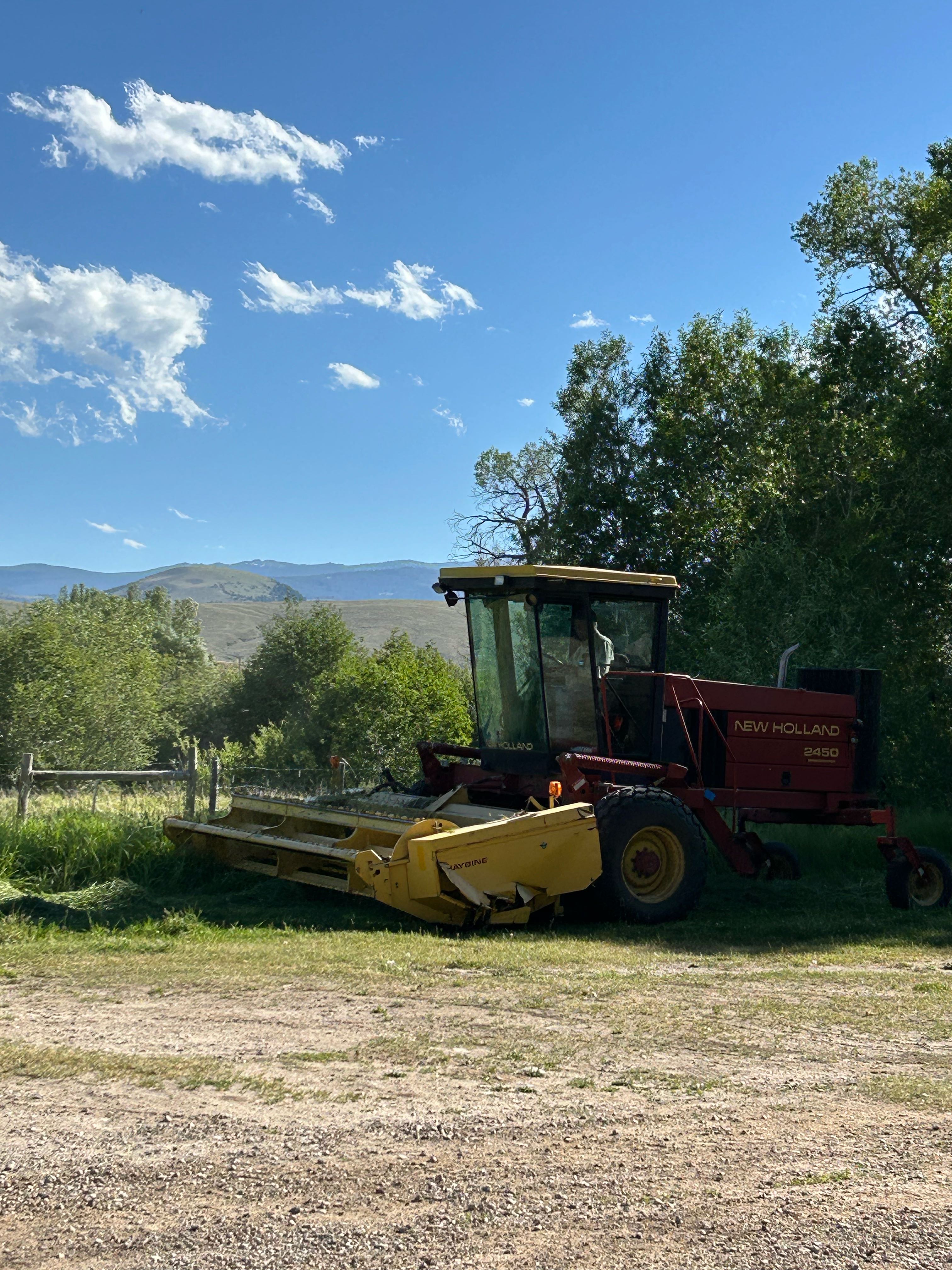
This week marked the official beginning of our haying season. It mostly consisted of me and a few others pulling apart and moving the gated pipe out of the middle of the field so that the windrower can cut the hay. However, when we were cutting our rockiest field in the boulder flats, the windrower blades were a bit too close to the ground and clipped one of the boulders, bending the whole blade. Today, we took the windrower to the mechanic in hopes that it will be repaired for use again in a day or two. Additionally, all of the wranglers that are coming to work on the upper ranch arrived this week and we have been prioritizing getting things ready to begin the outfitting season. Washing pads, doctoring horses, and creating supply packs are just a small portion of what we have been doing to prepare for the season.
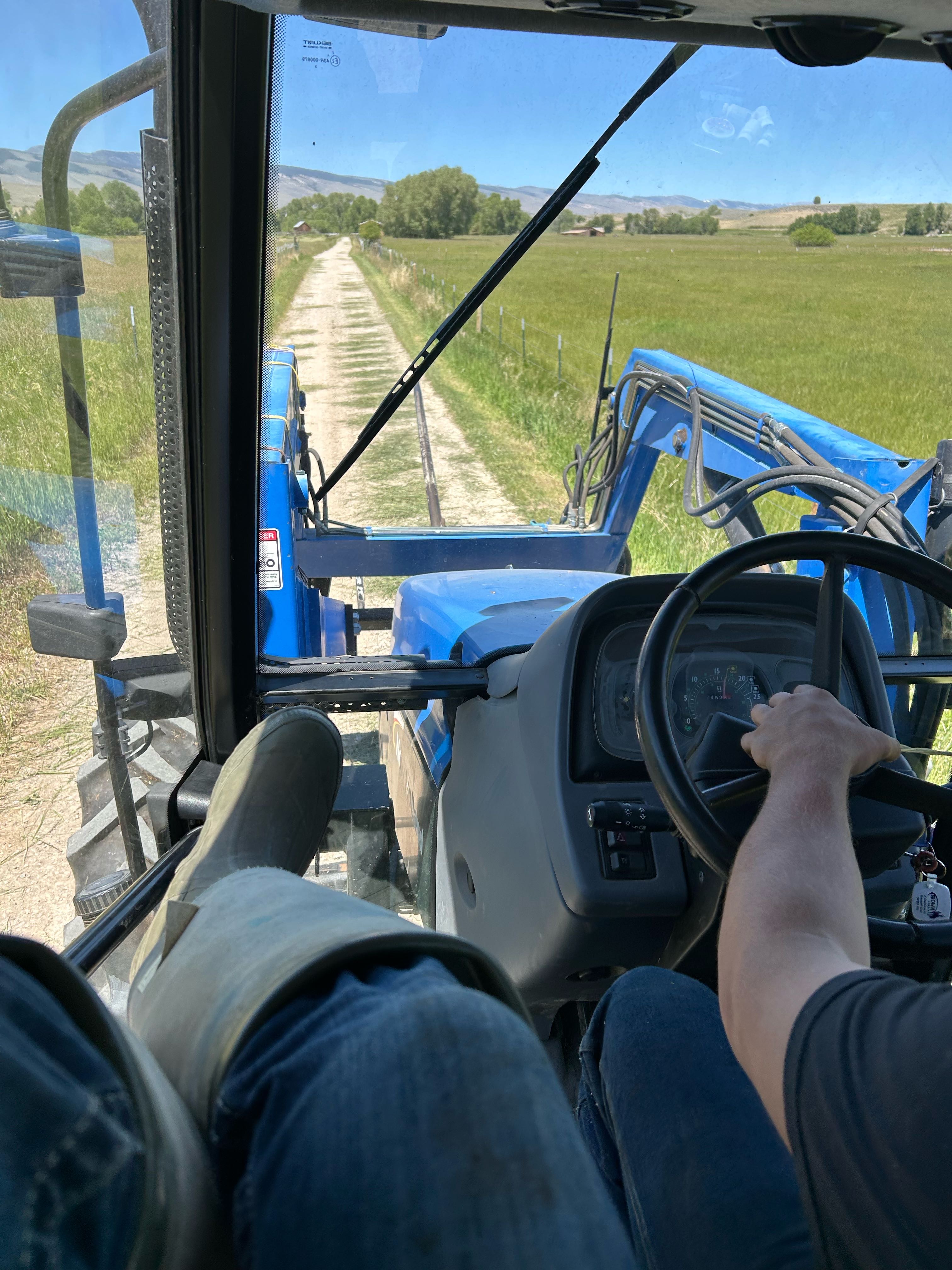
One thing that I would challenge about this week is the weather conditions in which we began baling. The humidity was high and it began to storm a little this weekend, causing the hay to not dry thoroughly enough to compact and hold the bale together. Additionally, improperly dried bales also pose a fire risk. I understand that the cutting and baling process needs to be completed in a timely manner in order to efficiently prepare the ranch and the horses for its next season. However, in my opinion, it may be a better choice to prolong the process in order for the cut hay to dry thoroughly before baling.
A few questions I have regard when we will begin irrigating our cut fields again and how the water levels will fluctuate over the rest of the summer. The North Fork River is supplied by snowmelt from the Wind River Range. As the snow melts and the general stock depletes, we will have to be more strategic with how we irrigate our fields as the water supply dwindles. I am curious as to how that will look and the balancing act that we will have to perform, making sure our fields are irrigated while also making sure there is water for the neighbors. I also wonder how long the water will last for before it dries up entirely and we have no more left to use.
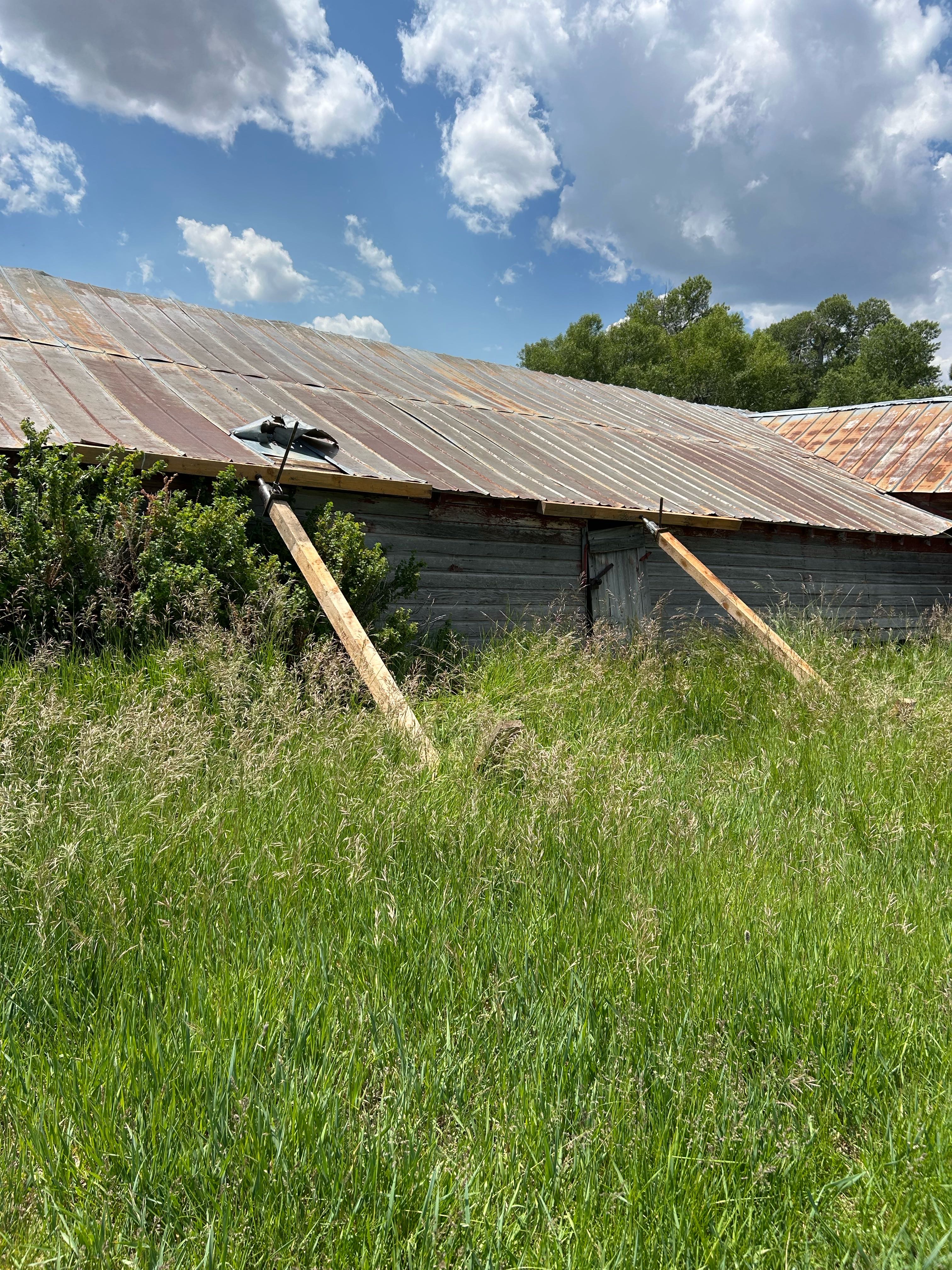
Something that I have really learned this week has been how to triage tasks. It is important to properly allocate the importance of tasks to decide which are the most urgent and which can be pushed off for another day. For example, my host noticed that the roof on one of our barns had begun to get lifted by the wind and was pulled off the support posts on the southeast side. Of course we had all our other tasks to do as well but this took priority as one side of the roof was quite literally hanging on by a thread. The timing worked out quite well in the end because we ended up fixing it right as the storm rolled in so there was no more threat of the wind blowing the roof off.
Submitted by: Kaylee Pearce
Edits by: GrowinG Internship Team