Water, Fences, Collars, and Cattle Choices
#bfrdpwy #aginternship #RightRisk
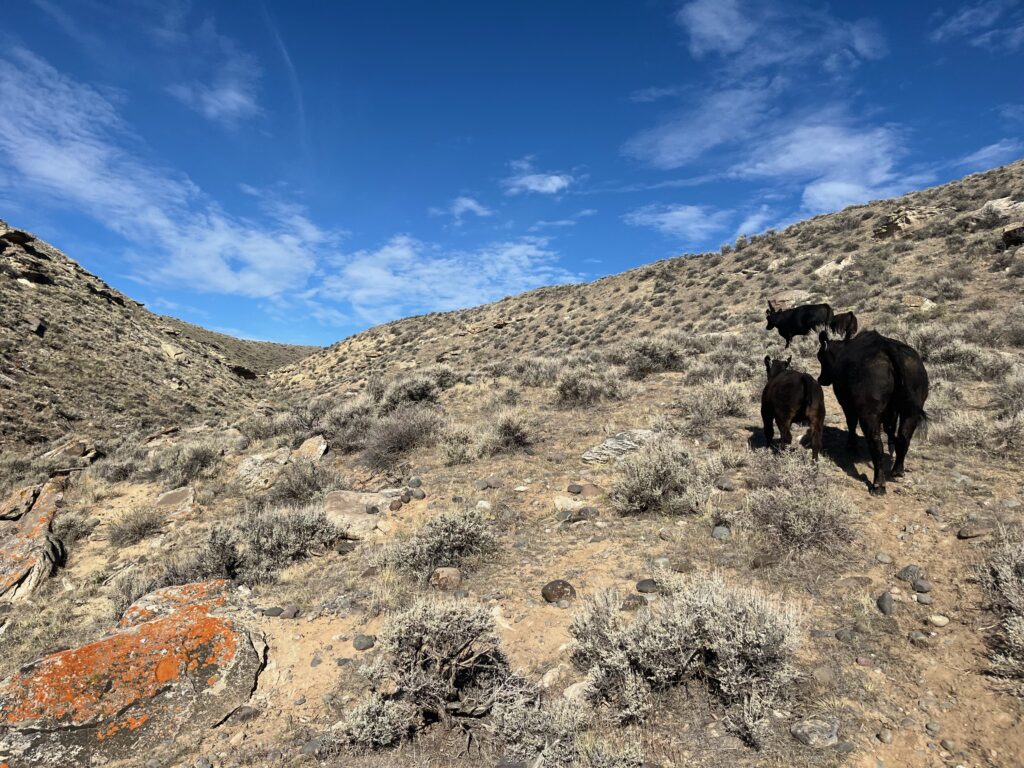
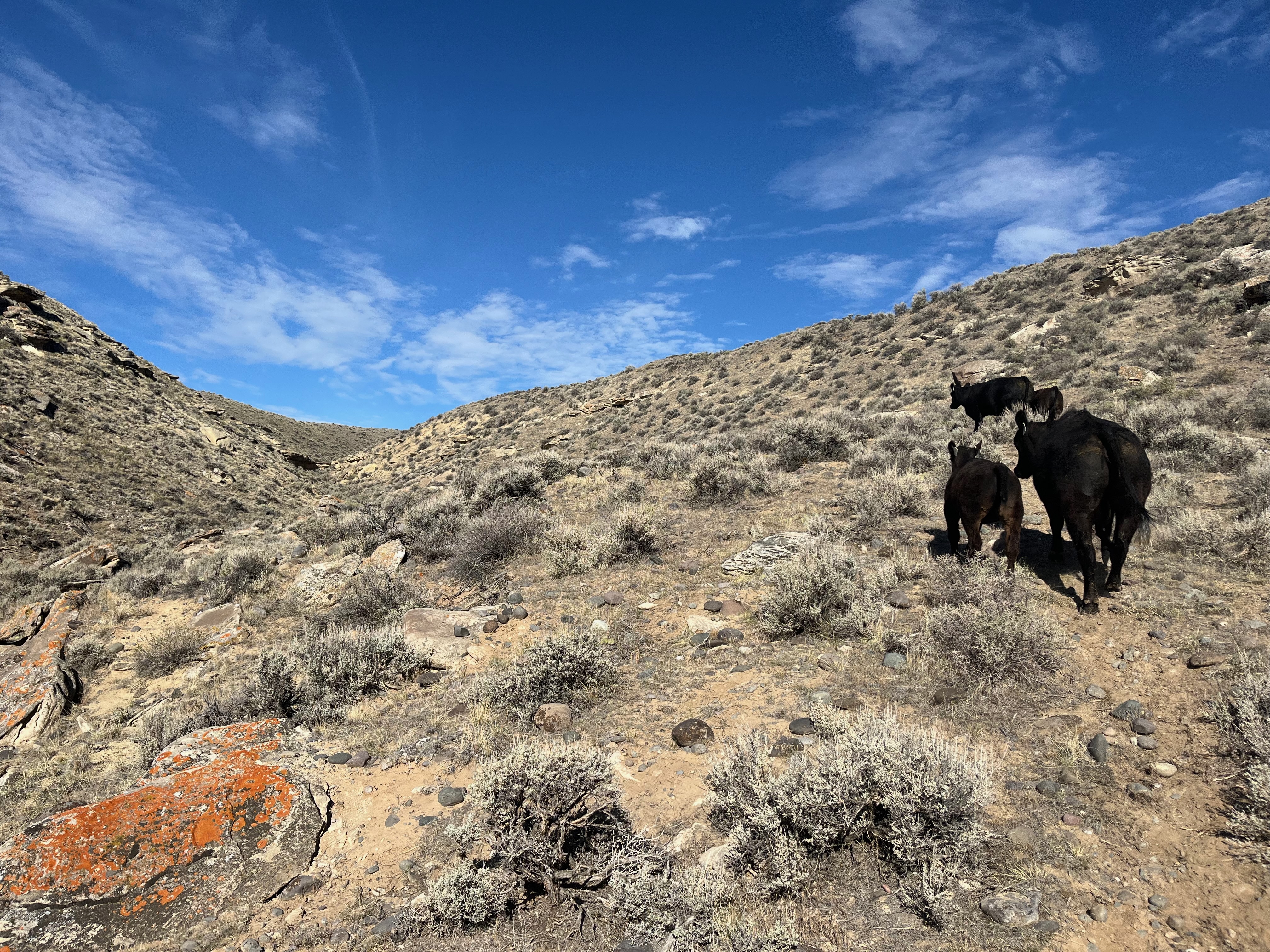
This week was another mix of jobs, and like usual, my list only covers part of what actually got done. There is always time spent checking stuff and solving little problems, and doing those things that never make it onto a weekly summary. For example we set up a solar system for the next BLM allotment, I drilled a sorghum-sudan and millet mix, moved AI heifers to strip graze along the pivot edges using halter collars, finished drilling, and diverted water from the mainline into a temporary tank, and worked on grazing distribution. Later in the week we moved the registered Oregon cows onto the next BLM allotment, and I fixed fence on the bench allotment. Saturday we doctored cows for pinkeye, and treated calves with respiratory.
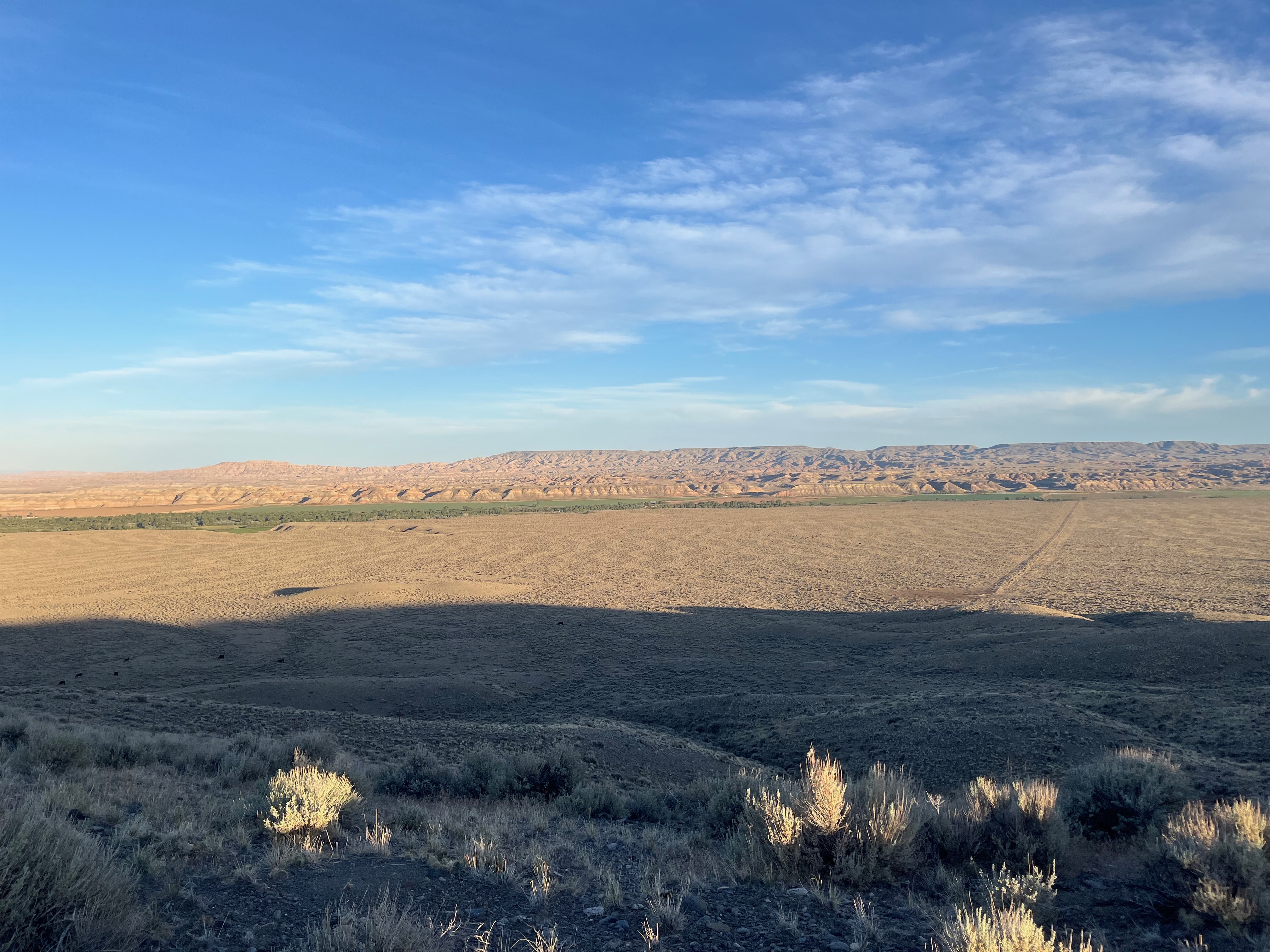
One thing that stood out to me this week is how we can influence grazing without direct movement. A lot of what I did this week was really about getting cattle where we wanted them indirectly. Setting up a solar system, running water to a temporary tank, strip grazing heifers, and simply fixing fence were all ways of encouraging cattle to use up country. Water systems are a management tool. If you change where the water is, you change where cattle spend their time. The same goes for strip grazing and collars. Getting cattle to do something, is about setting things up so they make the choice you wanted them to make in the first place.
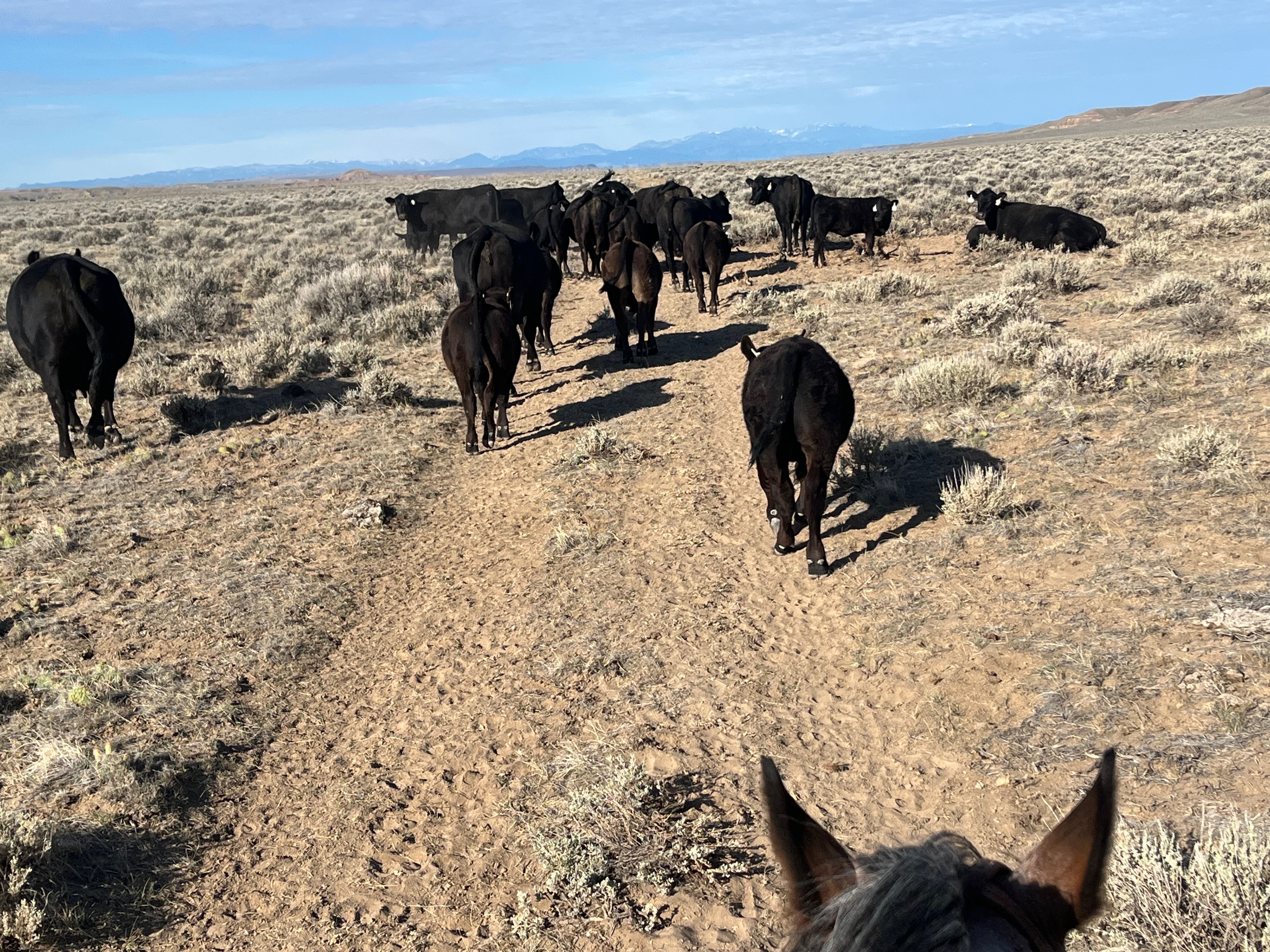
This week also made me question the idea that more grass means better grazing. There can be all kinds of feed in a pasture, but if distribution isn’t there, that doesn’t do much good. Mineral is also a valuable tool. I also think people sometimes underestimate how much planning goes into getting cattle to use a pasture the way you want. From the outside, it can look like somebody just turned cows out and let them go. The work that goes into water systems, fencing, collars, and trailing cows around, reveal there is more thought behind it than that.
I still have questions about how to relate assessment and monitoring to grazing in a simple and easy way. Range classes at UW have been very informative and practical but it makes me wonder how much is really necessary to see good results. On large western ranches you can’t expect to be monitoring all the time, there is no time for it.
Submitted by: Jace_Miller
Edits by: GrowinG Internship Team