Snowstorms, Supplements, and Spotting Tetany: Welcome to Week 1!
#bfrdpwy #aginternship #RightRisk
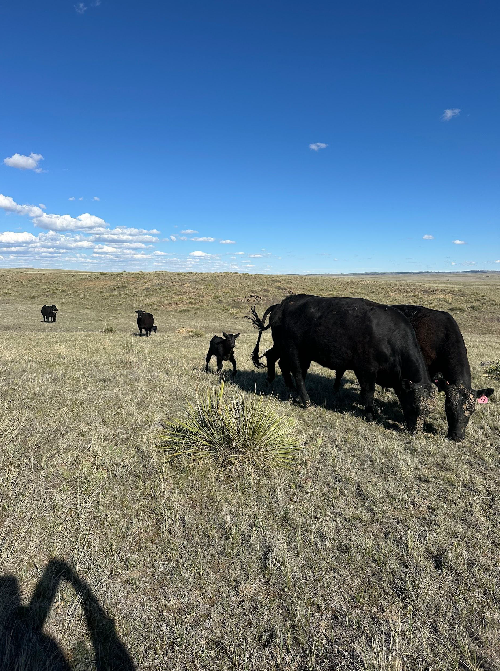
This week, I have learned various aspects of ranching. Major points include the importance of checking cows consistently, mineral supplementing, grass tetany risks and prevention, and control of invasive species. My host ranch is currently in the middle of calving season, and on my first day, we experienced a snowstorm. As a result, we made multiple rounds throughout the day, checking the three pastures where they are keeping their cows and making sure there were no new or older calves showing signs of hypothermia. Emphasizing how important observation and keeping tabs on your animals are, especially during harsh weather conditions.
Additionally I learned about the importance of mineral supplementation and how that and proper nutrition play a role in the health and productivity of cattle. Mineral supplementation plays a large role in preventing health issues, such as grass tetany, especially during the spring, which is why we drove around on Tuesday, adding extra magnesium into all the mineral buckets.
Moreover, the softer ground allowed us to go around the ranch and dig up weeds, such as thistle and wolf’s tongue, as I learned the importance of managing invasive species to improve pasture health. Overall, this week has given me valuable insight into the responsibilities and tasks one must carry out to ensure successful operation, and future experiences on what I’ll learn in the coming weeks!
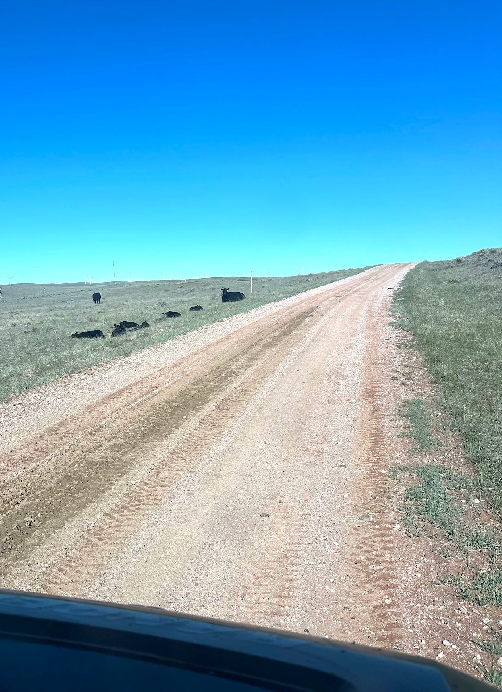
My first week has already made me realize that ranch work doesn’t always go as planned, and that ranching involves more than just taking care of cattle. This week has shown me that new expected and unexpected things can occur, constantly changing how you do things. Such as lost and dead calves, weather conditions, diseases (grass tetany – metabolic disease), and predators. All of which can require fast thinking and quick actions, as you must always stay alert and ready for problems.
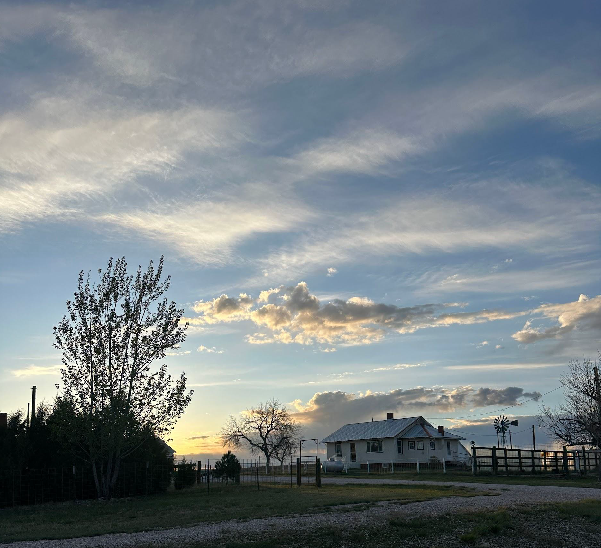
Moreover, I spent this last week doing various tasks, such as working on equipment, preparing equipment for the next week, gardening, and rangeland conservation through the removal of invasive species. All of which show various aspects to either keep things running smoothly for your operation, or tasks to encourage general upkeep around the property.
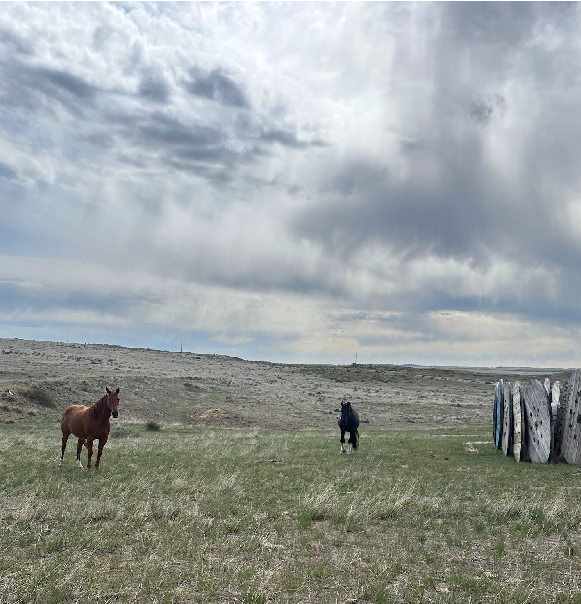
Currently, I still wonder what the most effective way is to manage coyotes. Seeing the pastures made me understand some means of predation control. I know some methods include fencing, guard animals, and paying hunters. But I want to learn more about which methods are most effective in Wyoming, and the most cost-effective for the rancher. I also continue to question what types of equipment maintenance should always be prioritized to ensure the ranch runs safely and efficiently.
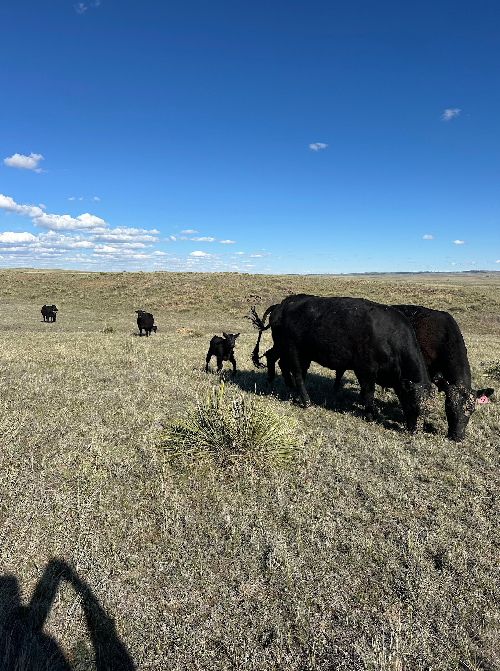
Overall, this week has taught me to pay closer attention when checking cows and observing their health to ensure we notice any problems or health concerns sooner. I would also like to keep learning about what challenges can occur that I have yet to see in person, and how to best manage them. Including disease, predation, injuries, broken fences, and equipment.
Lastly, I also plan to keep asking my host and her family questions, so I can continue to learn new skills and management practices. Watching and learning with the additional hands-on experience has already helped me a ton in my understanding of ranch work. As branding gets closer, I want to become more efficient and confident when handling cattle and working around large groups of big animals. By practicing more, I hope to become more responsible and reliable on the ranch.
Submitted by: Celise Pacheco
Edits by: GrowinG Internship Team