From Chick Sheds to Cattle Herding: A Fast-Paced First Week
#bfrdpwy #aginternship #RightRisk
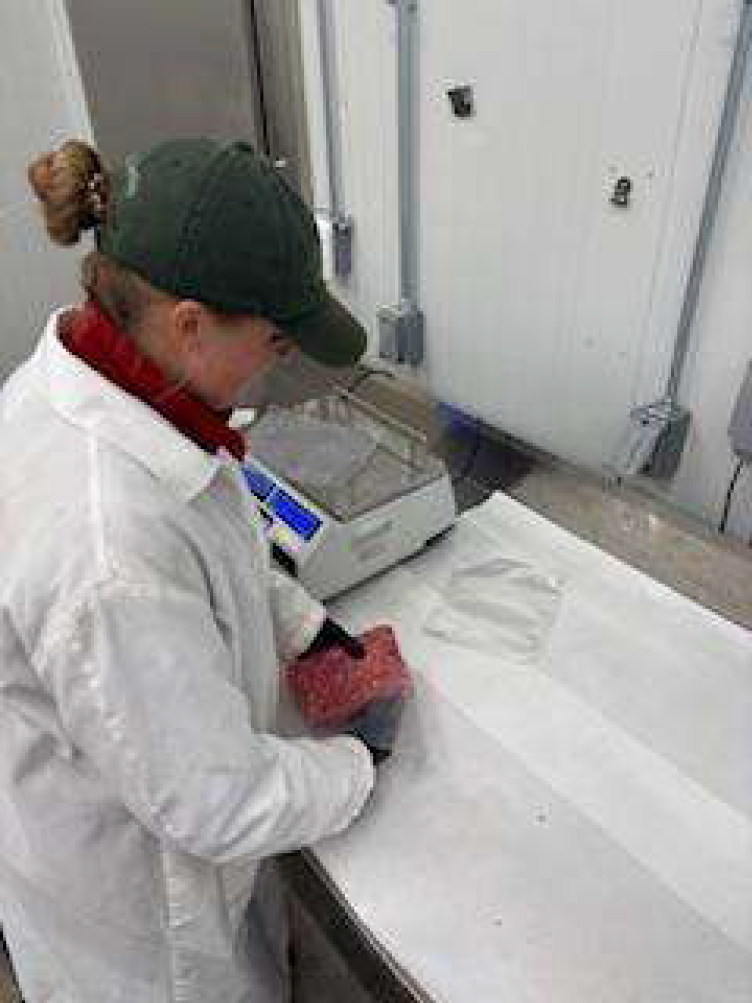
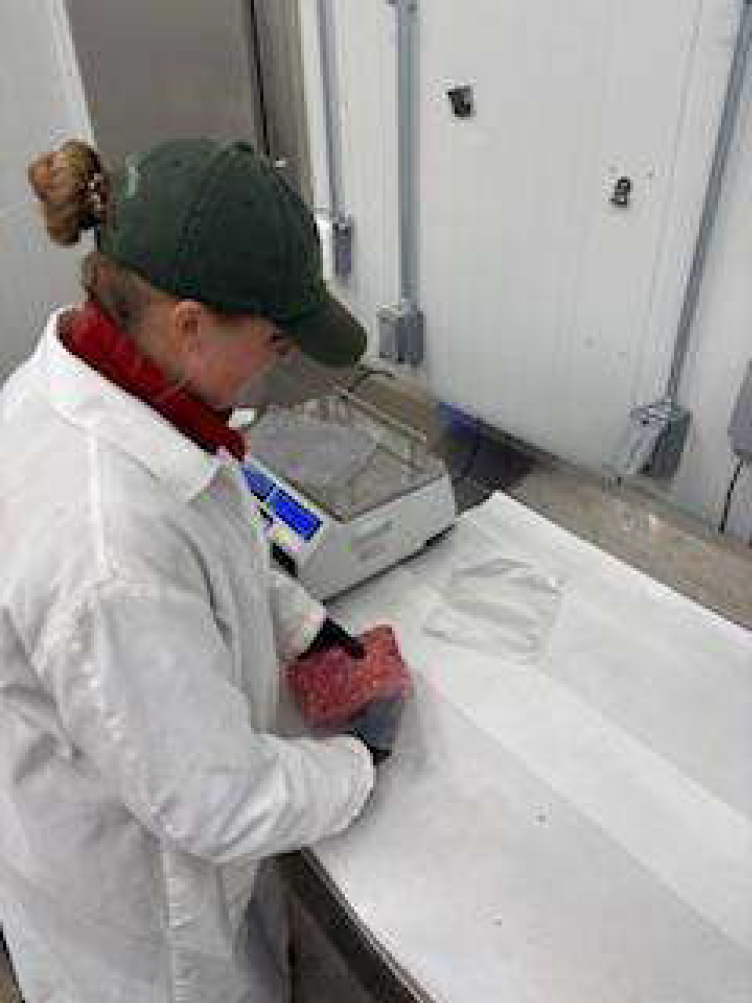
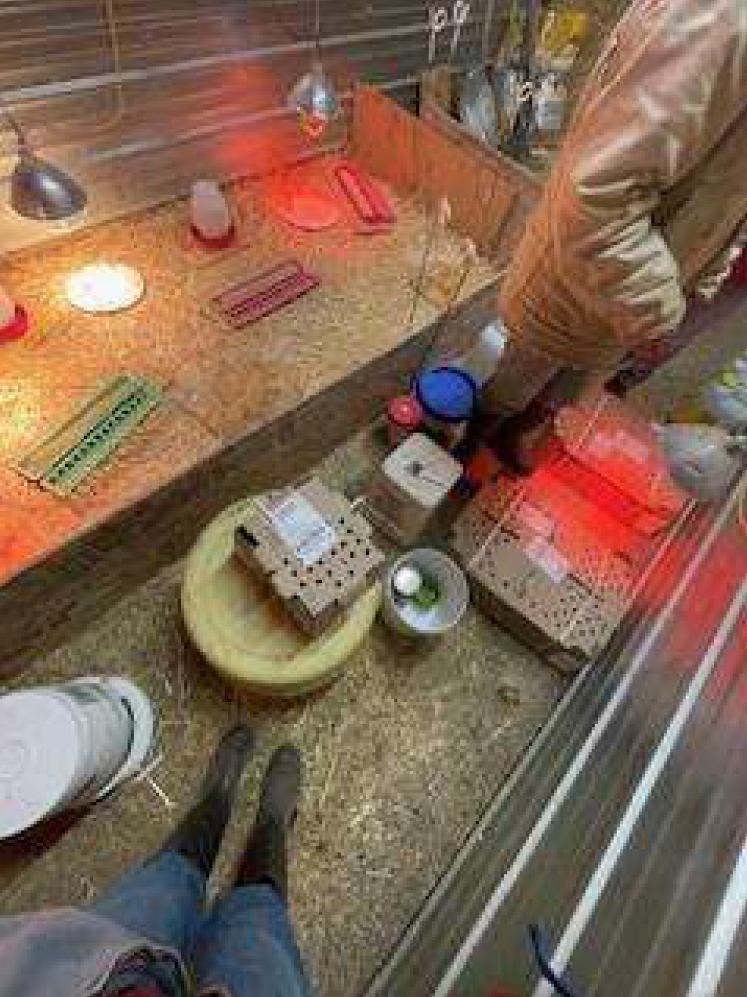
For the first week of my internship, most of my time has been spent following my hosts around to learn about their operation and help with their daily tasks. I learned about their shipping and delivery process for baby chicks that were delivered early Thursday morning. They taught me to set up their chick shed to keep the chicks warm, fed, and hydrated. I helped process and harvest four sheep and a cow at the Central Wyoming College meat facility (Rustler Cattle Company), and got to help with moving cattle through a rotational grazing pattern. I also assisted with irrigation in their pastures and learned about different methods of irrigating to protect soil and pasture health.
My host farm uses a rotational grazing pattern to help mimic wild herd animal behavior. According to my host, rotational grazing helps the pastures grow more grass in the following years and encourages soil health as the cattle pack grass into the ground and leave manure in dense areas. I also helped process eggs from their laying hens and learned about the benefits of selling from the farm direct to consumers, which has been made possible by the Food Freedom Act in Wyoming.
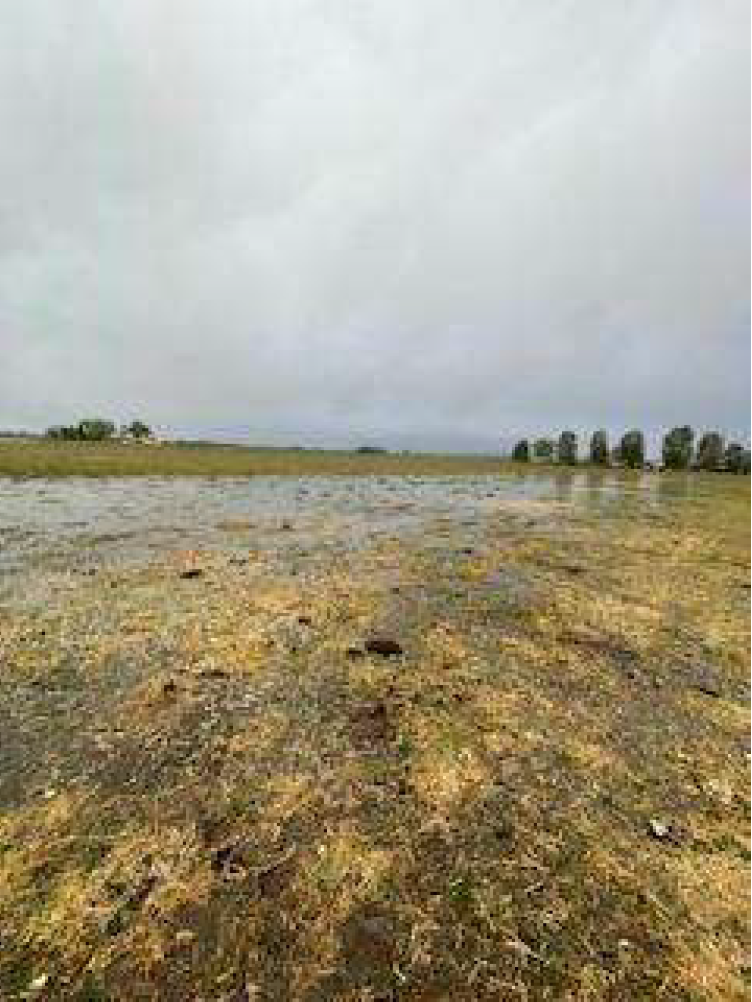
With my previous experience in the U.W. Meat Lab, I am curious about the efficiency of their processing techniques. They may be wasting a lot of meat by cutting everything on a saw, when many cuts could easily be sliced with a knife to minimize meat waste. I also wonder if some of their cattle would benefit from better feed. Many of their nursing cows are losing weight and may benefit from some higher energy forage content. However, I know this is difficult with maintaining grass fed and finished beef. I would also like to learn more about rotational grazing and how to balance the trade-off between potentially under-grazed and over-grazed pastures.
As my internship continues, I want to learn more about their reasons for not vaccinating their cattle and sheep, and how this affects their sales and beef prices. I would also like to learn more about raising meat chickens and how this financially benefits their farm. And is rotational grazing worth it – wy do we use energy on electric fences for rotational grazing, when we could leave the cattle on a larger pasture and save energy and time?
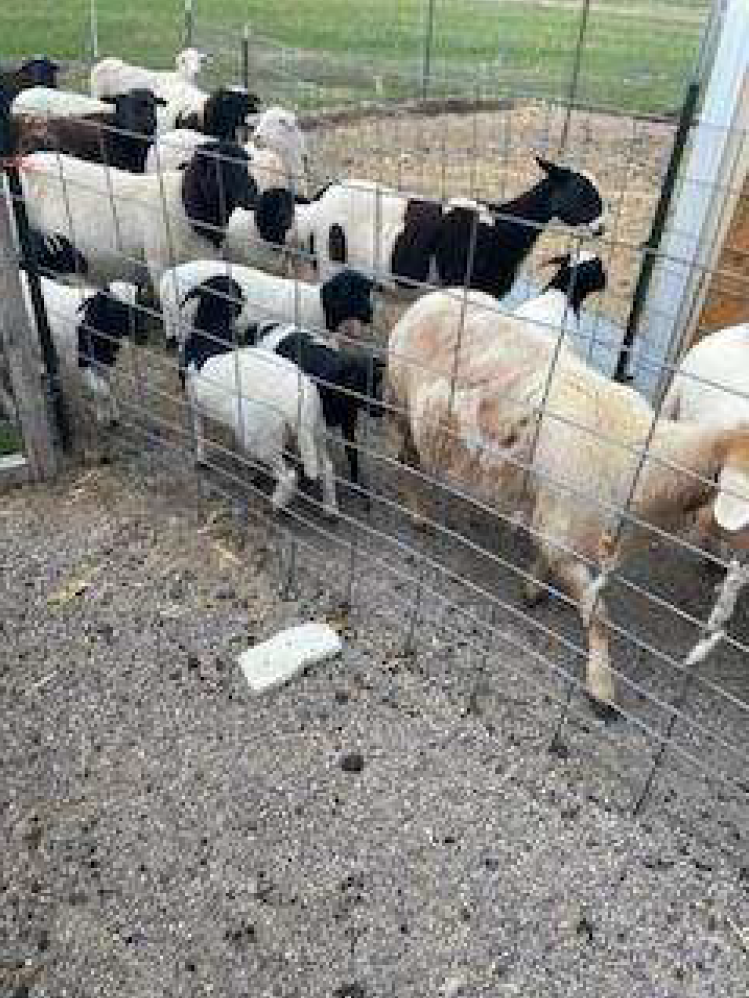
With the information I have learned this past week, I am able to understand and discuss different grazing methods. In the future, I will be able to help with different harvesting and processing practices with my new experiences learned this past week. The information about irrigation will be helpful if I end up working on a cattle operation that uses flood irrigation. We had several discussions about soil and recognizing issues with pasture health. This information will help me analyze and notice signs of declining soil health and mitigation methods.
Submitted by: Teagan Halsey
Edits by: GrowinG Internship Team