H-Braces, High Tensile Wire, and Hay Questions
#bfrdpwy #aginternship #RightRisk
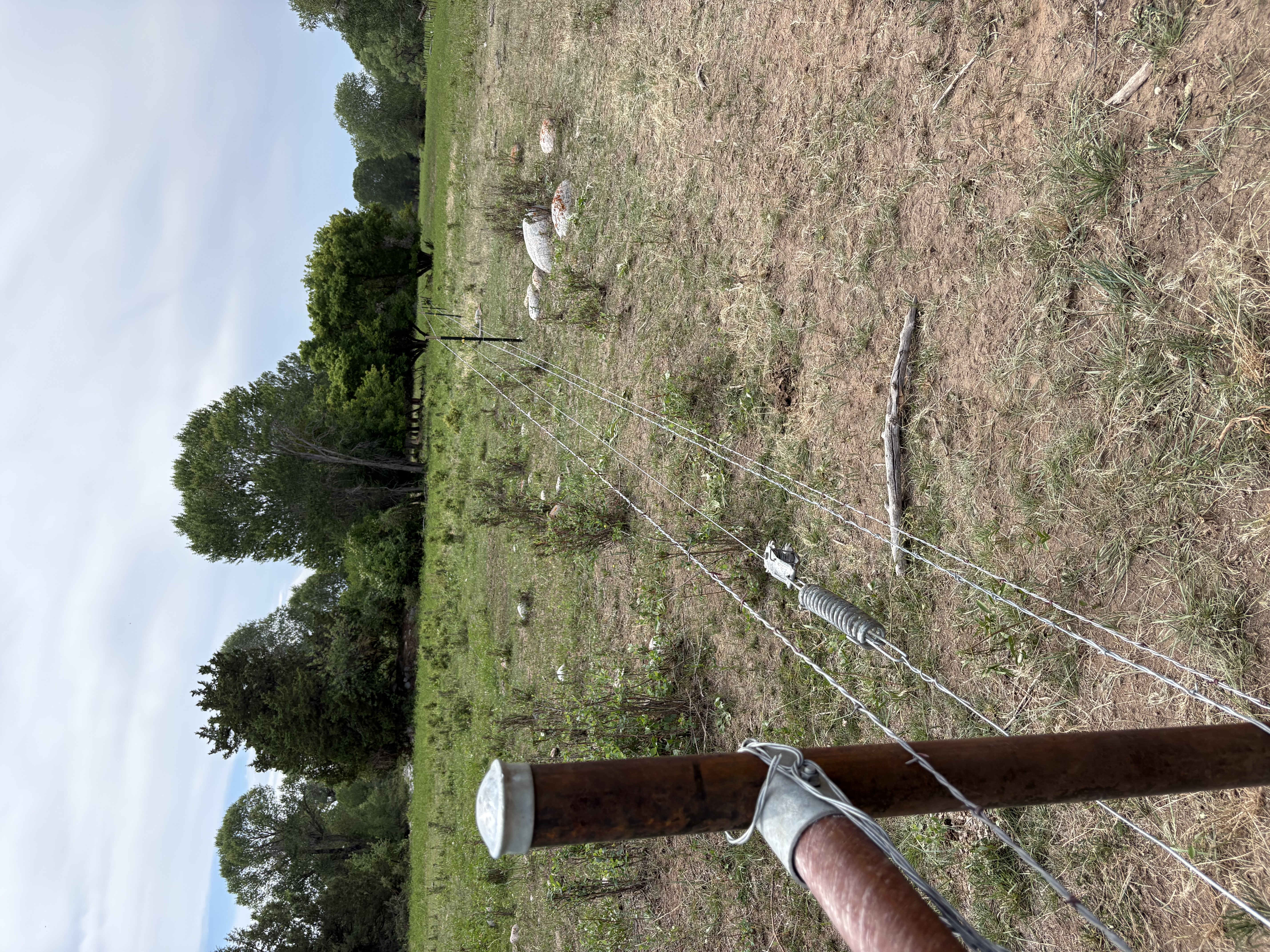
This week we did several different activities around the ranch. Throughout the week we fixed an electric fence on the mountain, tore out an old hay corral, turned the bulls out on the mountain, built a boundary fence, as well as irrigated throughout the week when I had time in between other jobs.
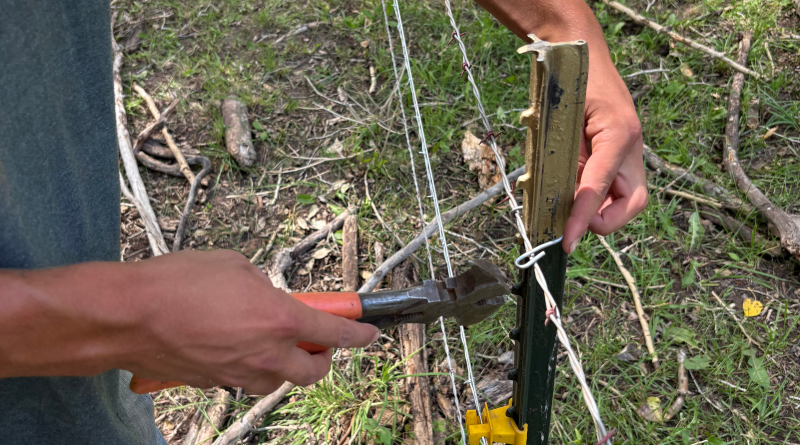
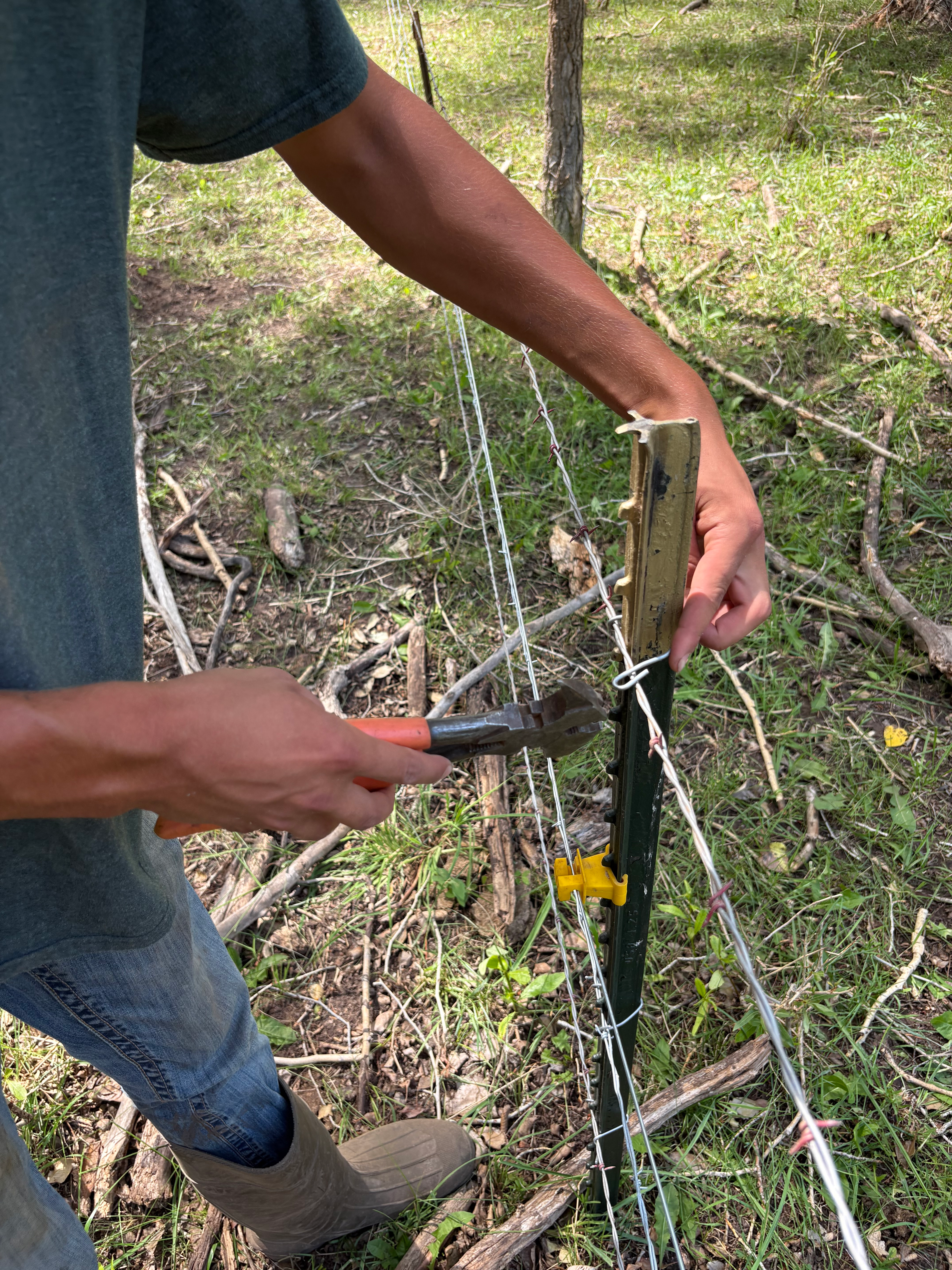
The activity I learned the most from this week was building the boundary fence. The fence consisted of four wires, two barbed wires on the bottom, with one high tensile wire that will be electrified, and topping it off with one more barbed wire. This task allowed me to become more practiced in building a “standard” barbed wire fence with T posts and H braces. Before this I had gotten some experience fixing fences like this but never got the opportunity to build one from start to finish. Practicing using tools like fence stretchers and working with high tensile wire has given me more skills in my toolbox that I can use when I need them.
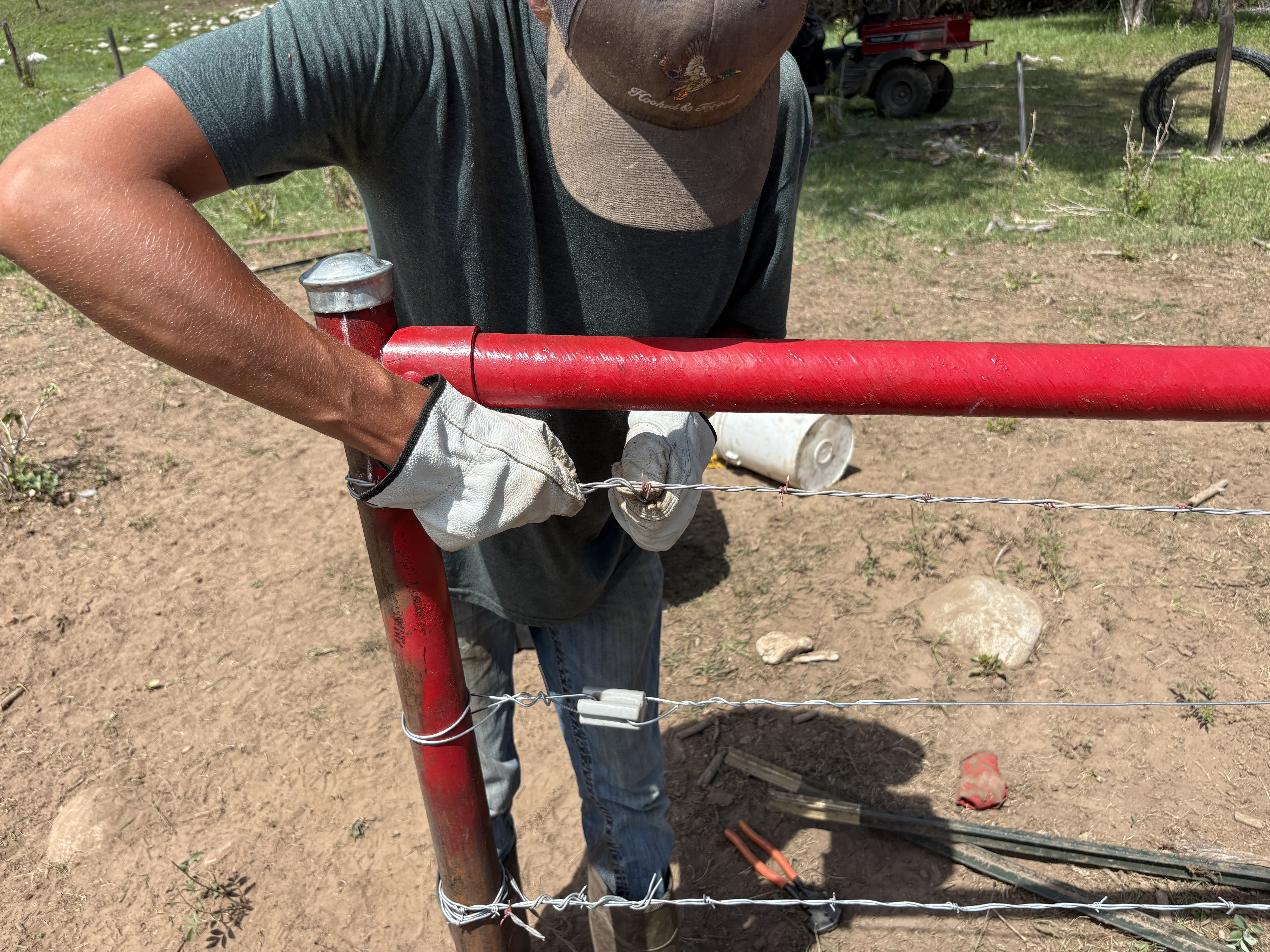
There were many opportunities for learning to be had while building this fence, the most notable one being a mistake I made when putting together one of the H braces. When I strung the brace wire, I put it in the wrong direction to where over time one side of the H brace could potentially slowly pull out of the ground. This was a relatively easy fix after I was shown the mistake I made and explained what issues it may cause over time. This allowed me to truly understand why the way I did it was incorrect, making it less likely for me to make the mistake again. Putting up the fence and watching it come together was very fun and gave me a great sense of completion and satisfaction when I got to look down and see a completed fence.
This week I am going to write about something a little bit different. As opposed to a reflection about an important lesson I learned, I instead have chosen to research and talk about pros and cons of stockpiling forage for winter feeding, and how it compares to putting up hay. My host ranch stockpiles forage on their irrigated acres, and it has sparked an interest for me because I had never heard of doing this until coming here. There are many things to consider when comparing stockpiled forage to putting up hay, so we will look at the basics: costs and nutritional value.
To start, when you stockpile forage there is less cost and labor that goes into it. When you think about the process of what it takes to get a bale of hay, there are a lot of steps, time, money and equipment that go into that. Compared to stockpiled forage, almost all your time and money is spent on irrigation and the equipment used to irrigate, which in our area at least, is still all things needed to put up hay. So, in the end both have costs and labor associated with them, but stockpiling forage will almost always be cheaper and less labor intensive.
One question that I had when learning about stockpiling forage was the nutritional value of that forage. With putting up hay, you will usually have a very consistent nutritional value throughout your bales, and the hay is easily tested for things like minerals and crude protein to know exactly what quality of feed you are producing and feeding your livestock. However, with stockpiling forage, these things are more difficult to get a consistent measurement of, and your nutrient content of the standing forage will decline as fall and winter progresses. This will likely mean there will be a need for supplementation, usually in the form of hay, especially if your stock is lactating or at any other point of high nutrient demand. My host ranch does end up supplementing hay in those months of forage value decline, but the cost of buying that hay is worth it to them when you consider the money spent to buy haying equipment, as well as the time and cost of maintaining that equipment.
To conclude, there are so many areas of comparison between putting up hay and stockpiling forage that I did not mention for the sake of brevity and that need to be considered. I think the best thing I can learn from this comparison is again there isn’t one that is better than the other, just different methods that work for different people based on what resources they have. When speaking with my host about it, they talked about how this has worked well for them and haven’t seen a reason to do it differently at this point. When hay is needed, it is purchased and trucked in.
Submitted by: Jonah Verhoef
Edits by: GrowinG Internship Team