Water Trucks, Livestock Checks, and Fire Watch
#bfrdpwy #aginternship #RightRisk
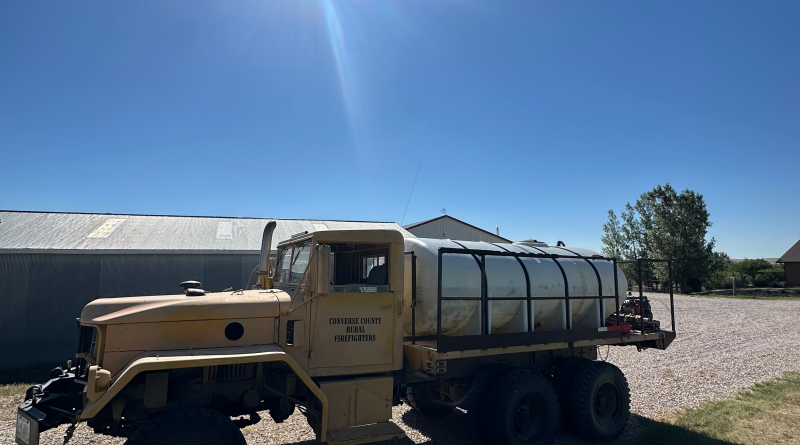
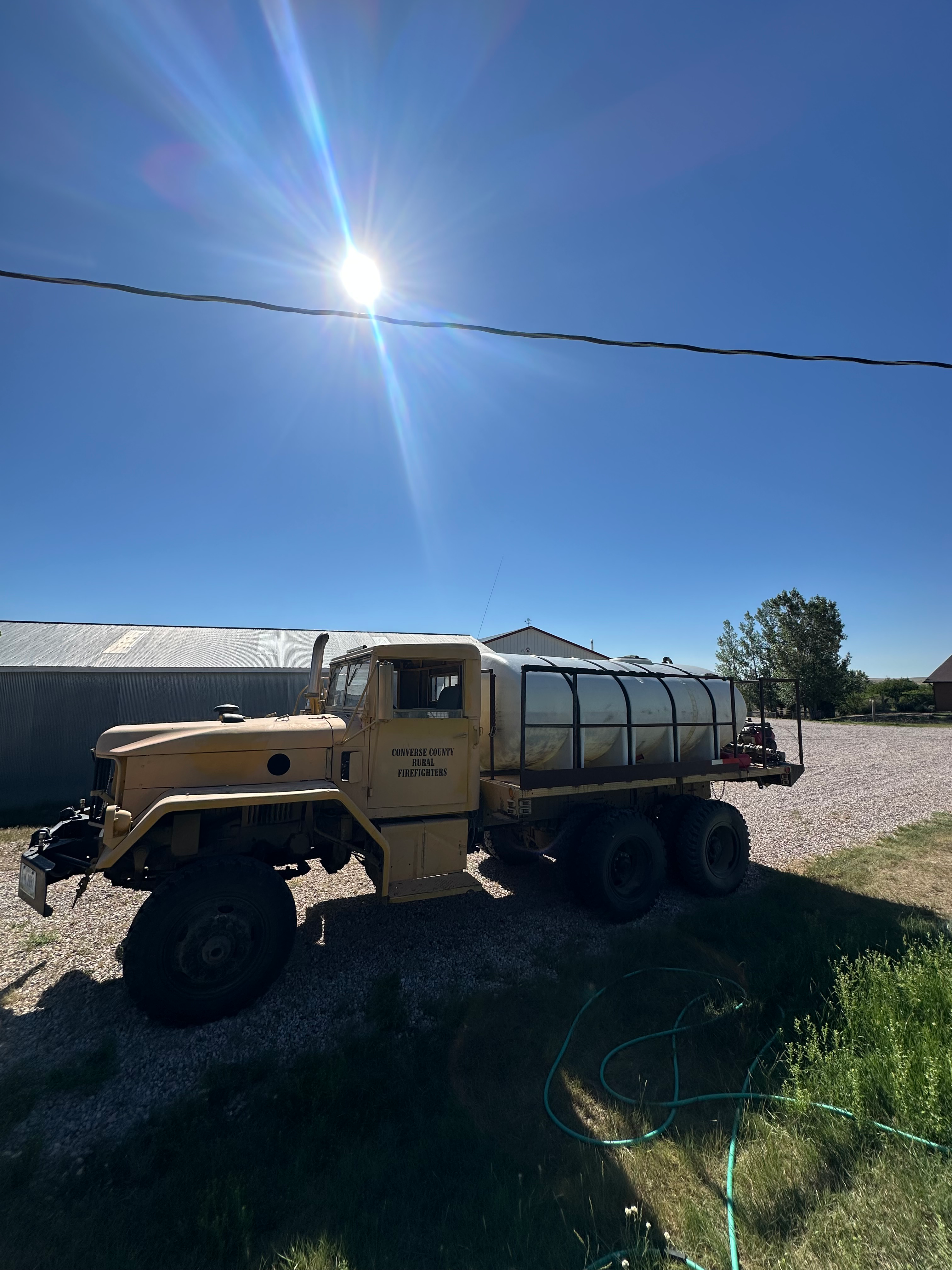
This week, I learned the importance of daily maintenance and preparation during a heat wave. The high temperatures required constant attention to both the livestock and the property. My boss has one of the county’s water trucks, thus making my boss on-call for certain areas. Since the property is divided by a highway and a three-track railroad, there are many potential sources of fire. Because of this, we had to regularly inspect the fire truck to make sure it was ready to respond at any time. After my boss responded to a fire, we also had to refill the truck multiple times so it would be prepared for another emergency.
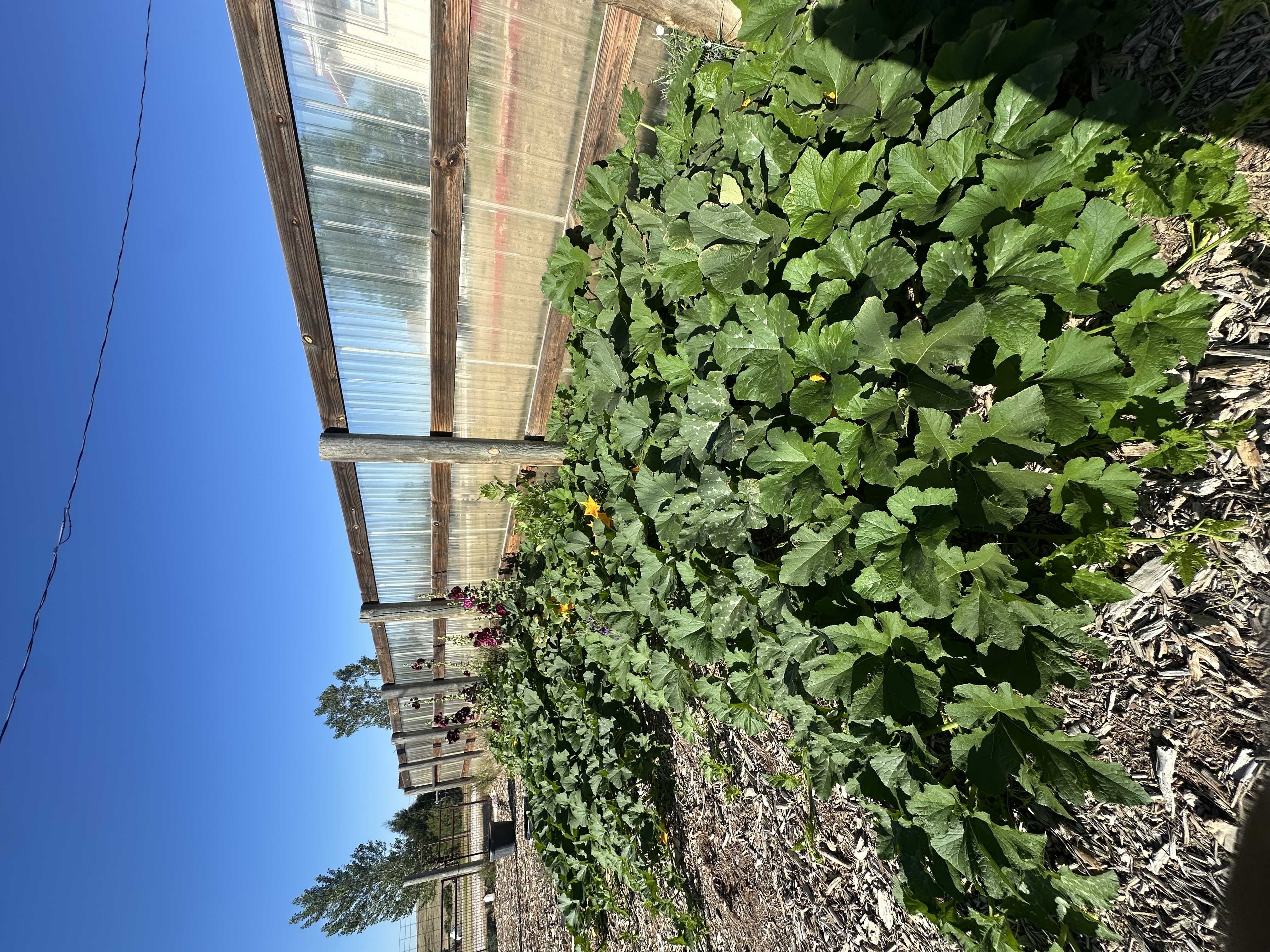
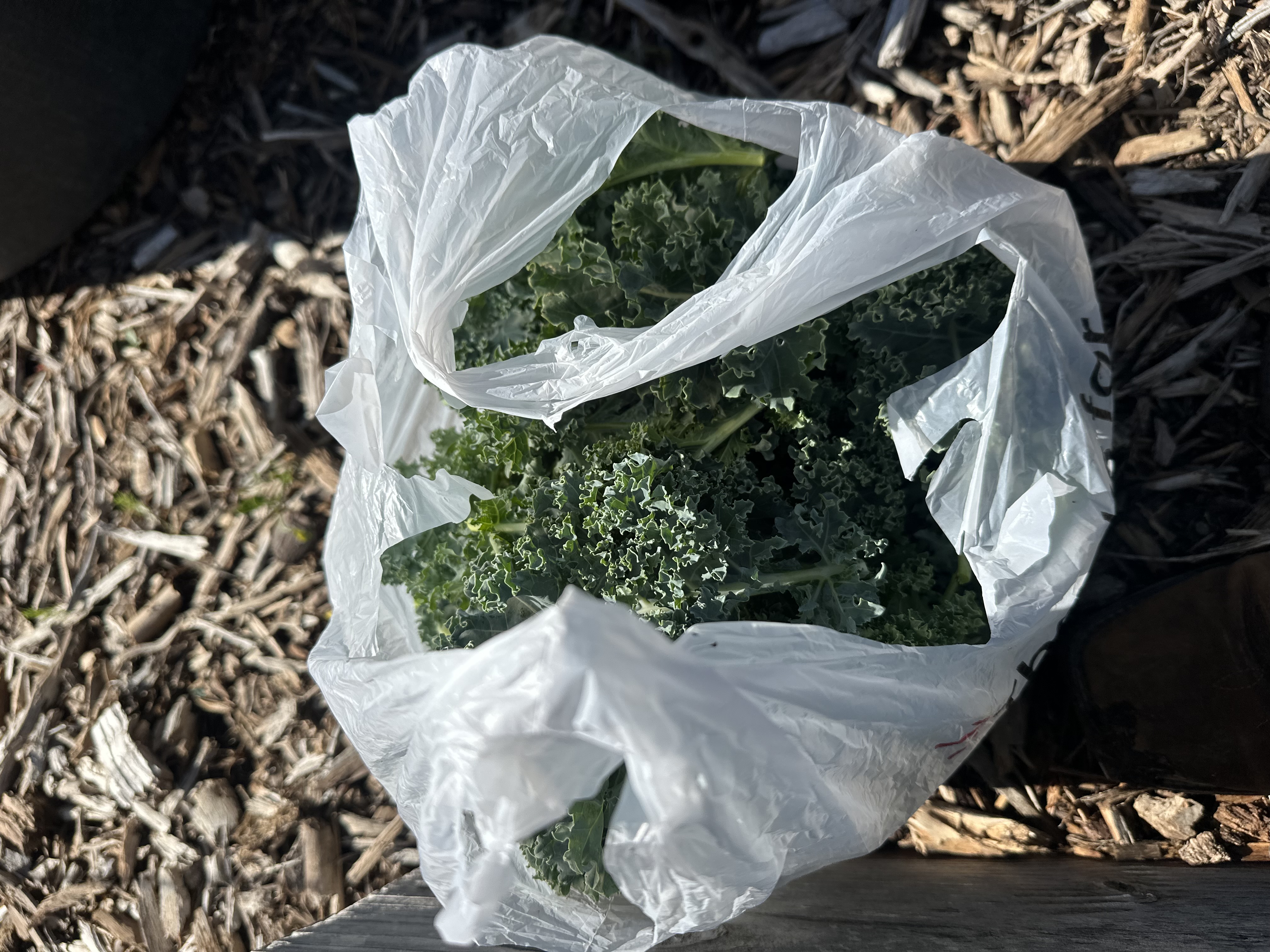
In addition, we regularly moved another water tanker around the property to water newly planted trees that have not yet developed deep root systems. These trees were planted as part of a conservation effort to provide future habitat and cover for native bird species while replacing older native trees that are reaching the end of their lifespan. We also spent time checking on gardens and other plants to ensure they received enough water during the extreme heat. Although the hot weather created extra work, we were still able to harvest some of the vegetables.
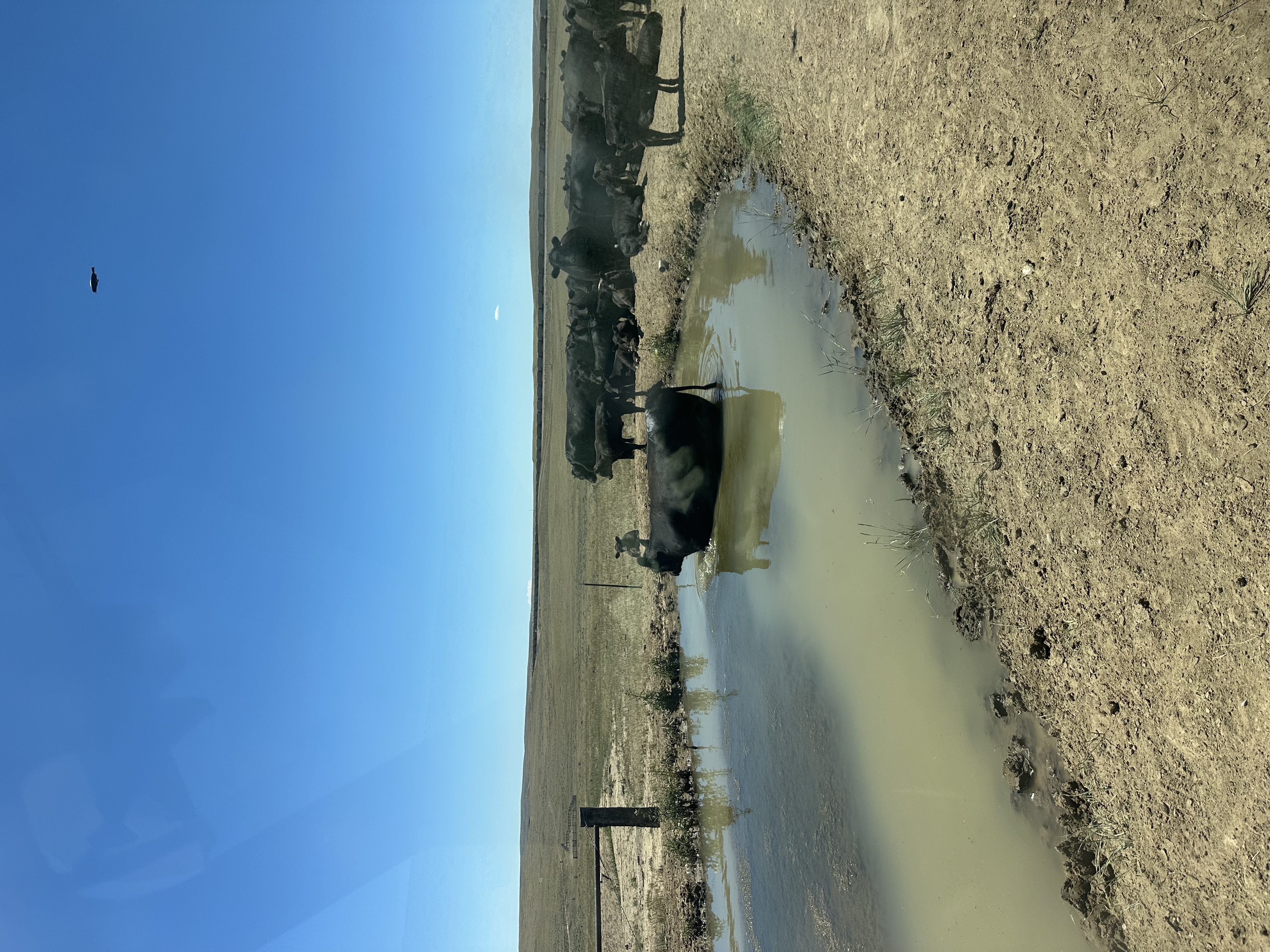
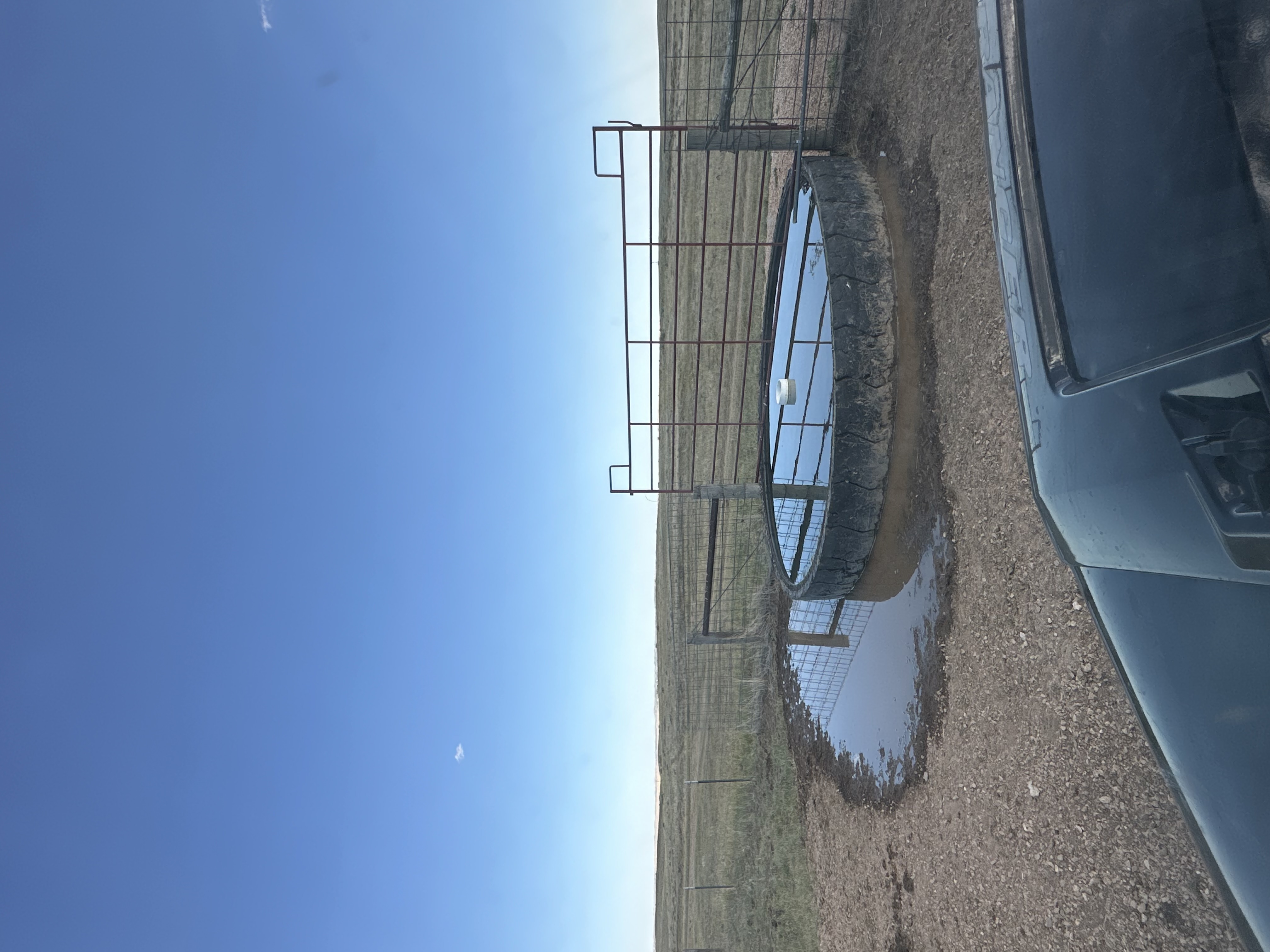
Another important responsibility during a heat wave is constantly checking on the livestock and their water supply. After branding a couple of weeks ago, the cows were moved to farther pastures, which made checks more time-consuming. Traveling through the pastures to check the cattle also allowed us to watch for signs of smoke or fire, allowing us to stay alert during a period of high fire danger. These routine checks helped ensure the animals remained healthy and had access to enough water.
This week, I would like to challenge the frequency of checking livestock. While we try to check the cows once a day or every other day, I have learned that because of the location of some ranches and the fact that many ranchers have other jobs, that is not always possible. Some properties are very large, so it can take a long time to check every pasture. This made me realize that ranchers have to find a balance between checking their animals often and managing all of their other responsibilities.
Nonetheless, this experience raises the question of how ranchers can continue to adapt to increasingly frequent periods of extreme heat while protecting their land, livestock, and natural resources. As temperatures continue to rise during the summer, preparation becomes even more important. Finding ways to conserve water while keeping animals and plants healthy will continue to be a major challenge. It is something I hope to learn more about as I gain additional experience.
Overall, this week provided valuable lessons about the responsibilities ranchers face during high temperatures. I gained a better understanding of the importance of preparation, conservation, and daily maintenance. With this knowledge, I will be better prepared to handle similar conditions in the future and contribute more effectively to keeping both the ranch and its resources healthy and safe. This experience showed me that even routine tasks can make a significant difference during periods of extreme weather.
Submitted by: Celise Pacheco
Edits by: GrowinG Internship Team