Learning When to Wait and When to Act
#bfrdpwy #aginternship #RightRisk
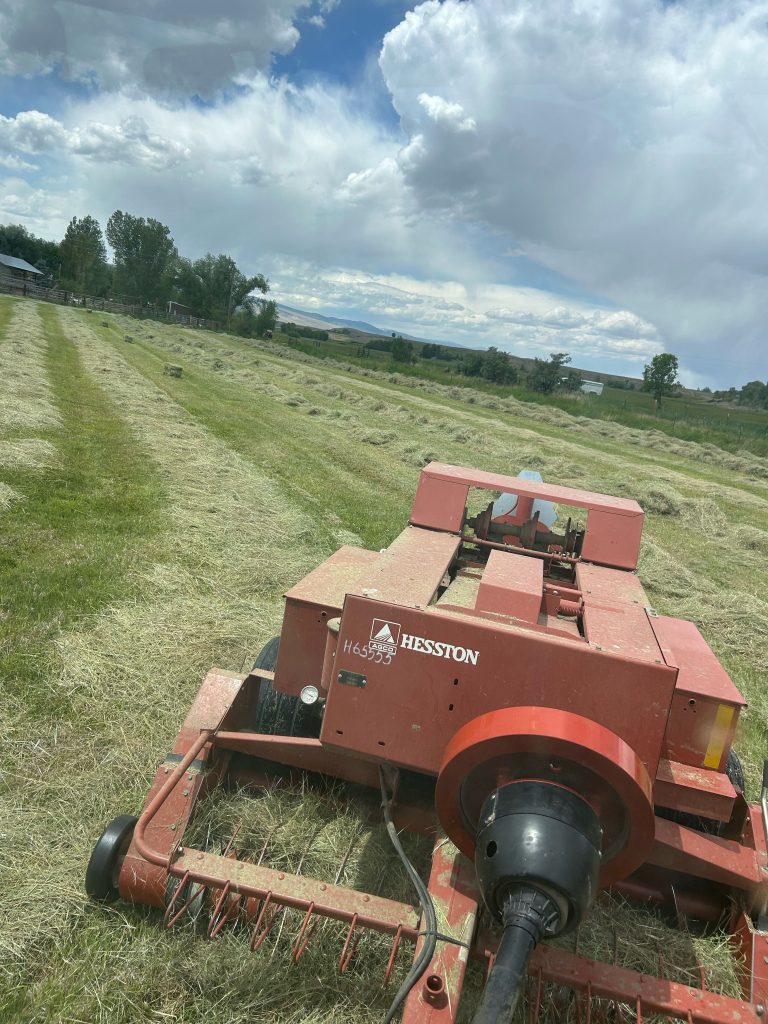
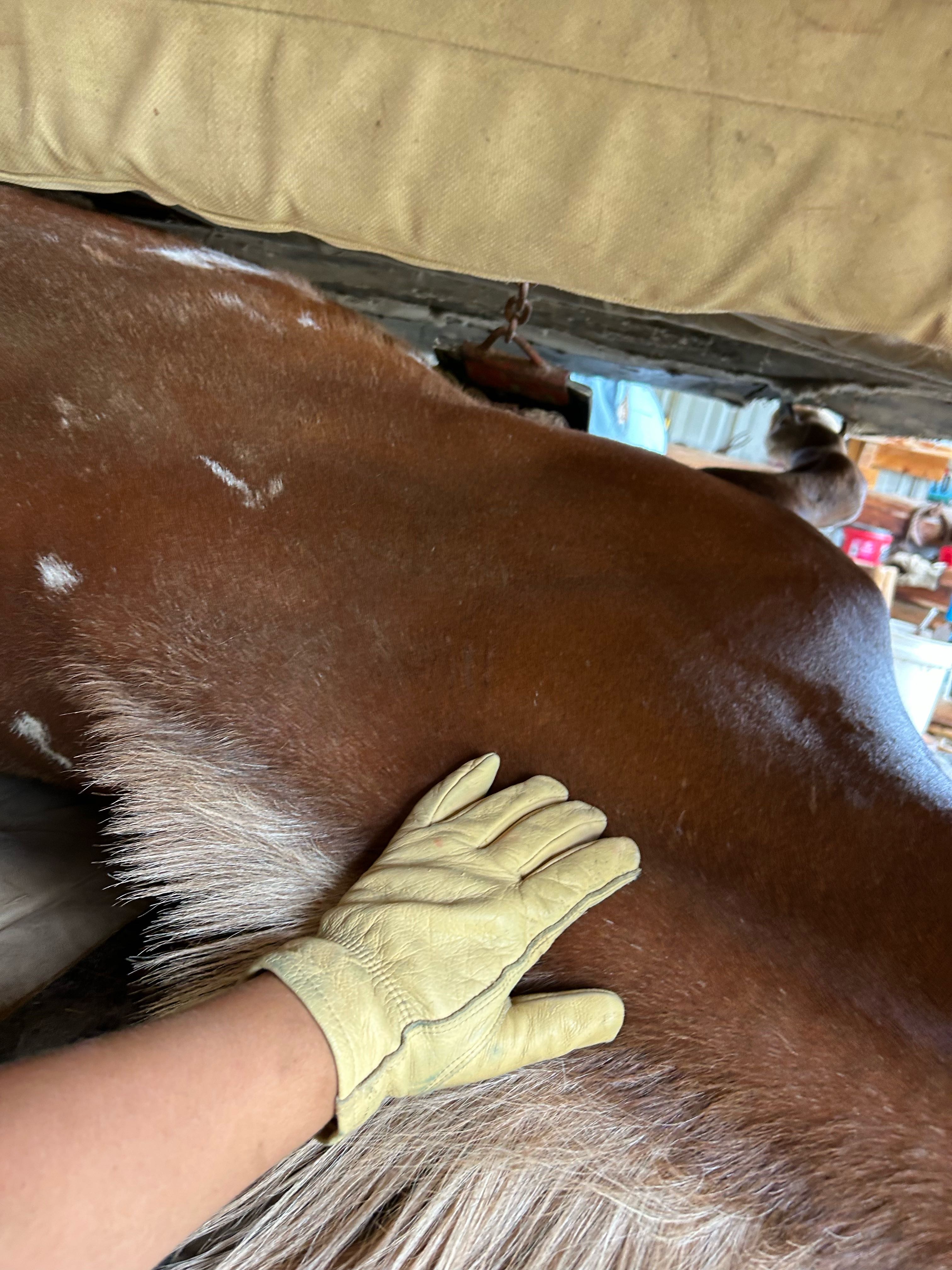
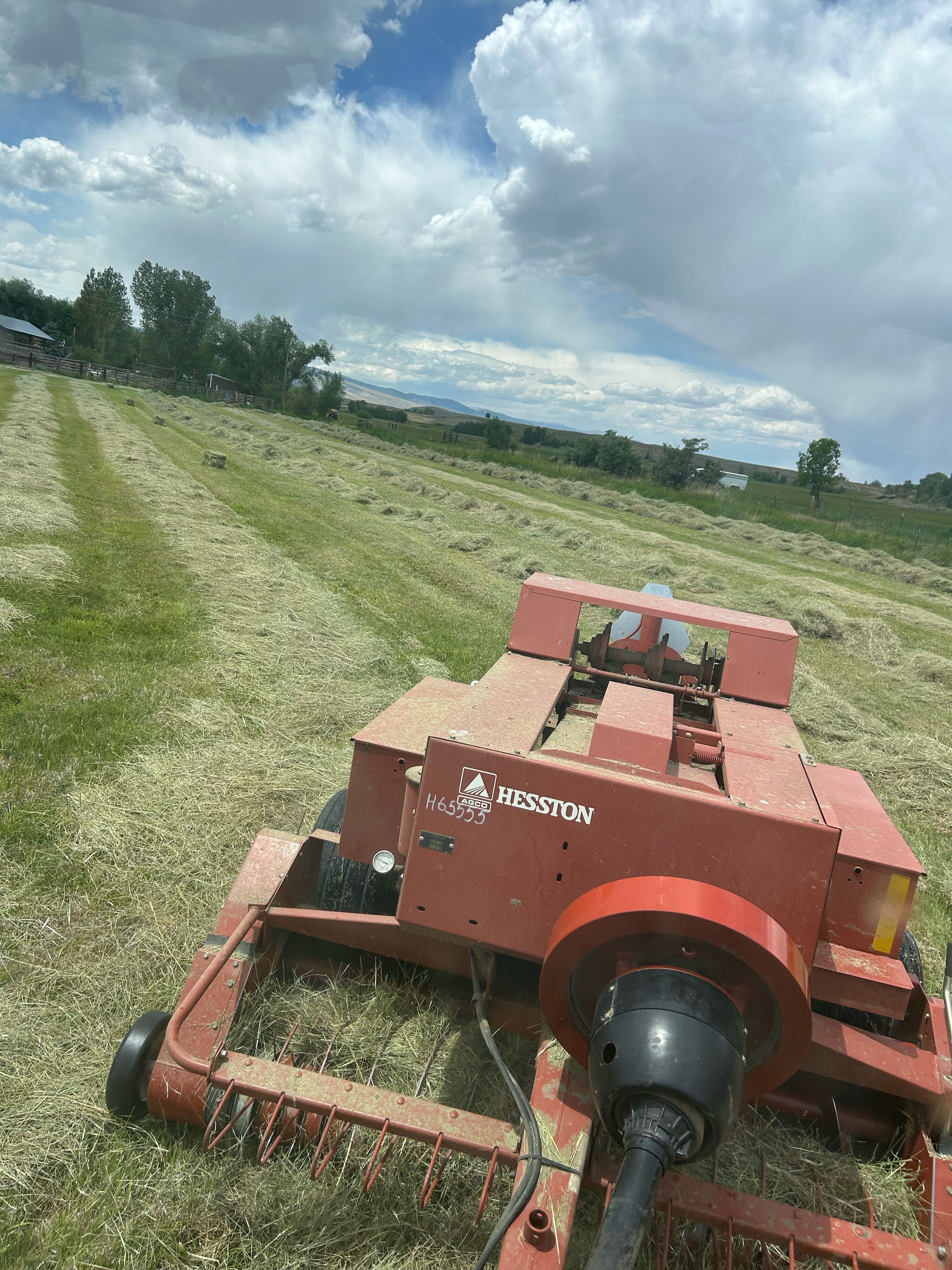
This week, we finished cutting the entirety of the Allen field plus a portion of the southeast Harvard. Our focus this week and next is to bale the rest of the windrows in those fields and to get the hay up the mountain for the horses in the upper ranch so they can have feed to fuel them for pack trips. Additionally, this week, we continued doctoring a horse that injured its leg in the trailer. We have been giving him daily antibiotics as well as cold hosing his leg in order to make the swelling subside. One of our mules was struggling with the farrier so we put her on the slanting table in order for my host to do her back shoes. As always, we have continued to irrigate the two fields that are already cut and baled as well as the two fields on the lease property. Another part of our daily chores is to make sure that the tractors including the baler and the windrower are properly blown out and greased to guarantee function and longevity of our equipment.
Towards the middle of this week, my host began baling windrows in the Allen field that are in a low spot. The main thing to contemplate when baling hay in a low spot is the hay being too wet to bale. This leads to heavier bales which are at risk of breaking as well as molding or even starting fires under intense heat in compact storage. My host began to get a bit antsy to bale since we’re trying to get hay up the mountain as well as trying to prepare for our first pack trip that begins on the 5th. He made the decision to bale those windrows that were still wet. We then tested the moisture content inside of them and they were too wet to keep. Each bale from that day had to be cut and redone at a later date so that the hay could dry more. The only thing I would challenge or change is to wait long enough for the hay to dry out before baling so that we don’t have to undo work and hours spent.
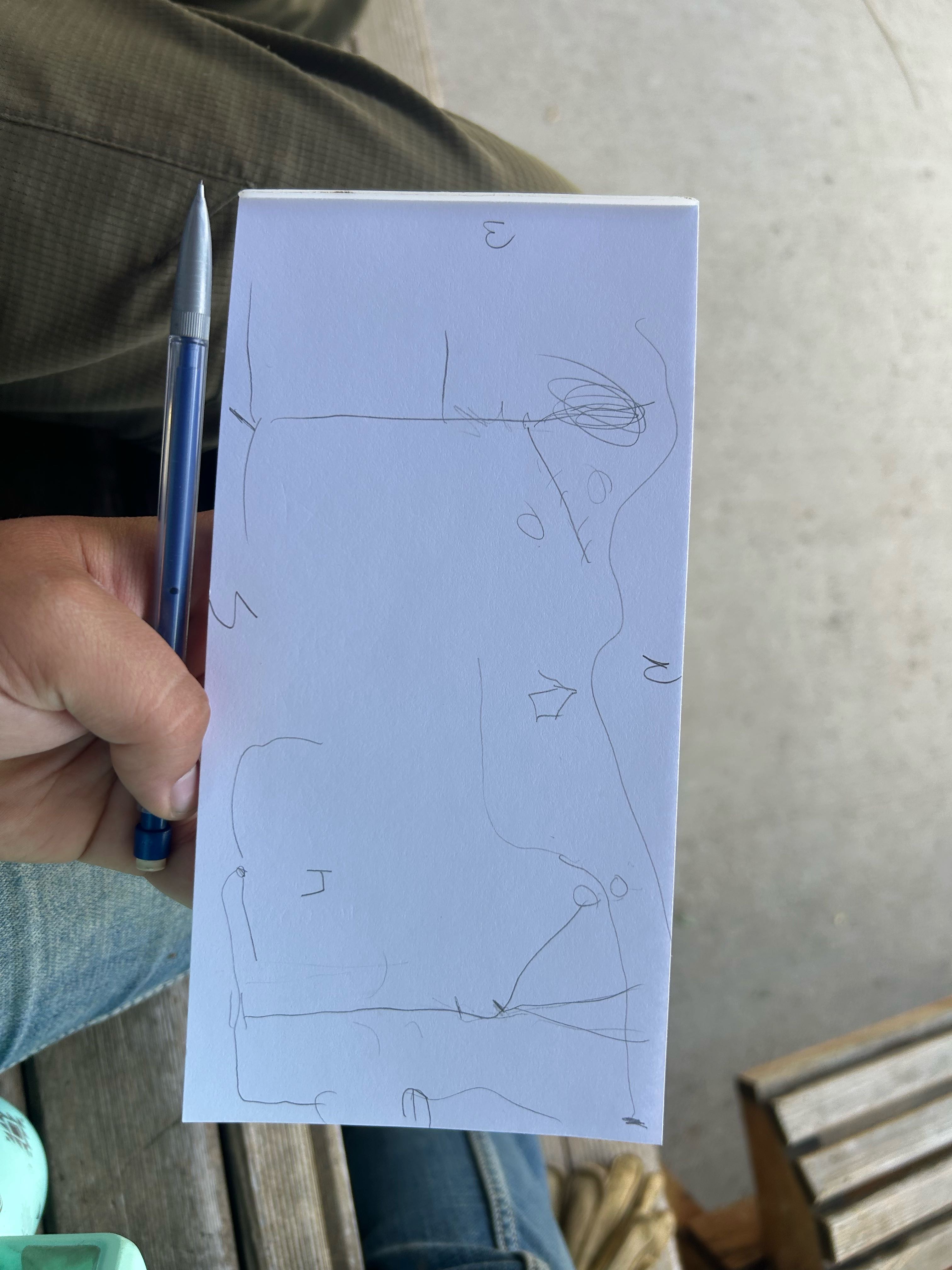
My host mentioned today that they usually go through anywhere from 1,500 to 2,000 small square bales a summer in the upper ranch. My question is, how do they determine how many bales to send to the upper ranch? If they have too little, there’s not enough to feed the horses. If there’s too many, they’re left at the upper ranch during the winter and are at risk of being eaten by the elk or molding. Around 40 bales are consumed a day by the 80ish horses. 500 bales is a rather large margin. How do we determine when to stop baling small bales and to switch to round bales?
One thing that I learned this week that I believe will truly carry me throughout my life is to be a good employee and to take initiative. Of course, I have been hearing forever that someone who takes action by themselves is more useful than someone who waits to be told what to do. However, that concept finally clicked in my mind this week as I’m getting a hang of everything that we’re doing on the ranch and it is becoming a part of my routine rather than a foreign experience that I don’t fully understand. Now, I am able to begin anticipating the flow of things and take action accordingly. I can also problem solve some irrigation issues by myself since I have a general understanding of the concepts of water movement and pressure.
Submitted by: Kaylee Pearce
Edits by: GrowinG Internship Team