Animal Care, Stewardship, and Agricultural Community
#bfrdpwy #aginternship #RightRisk
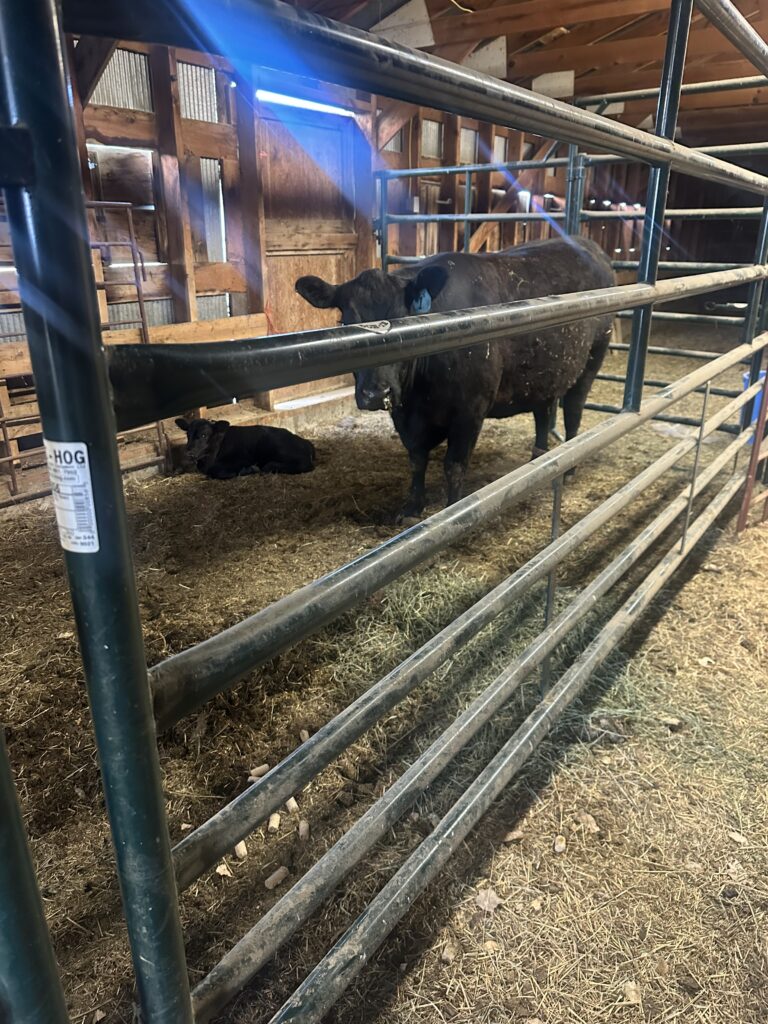
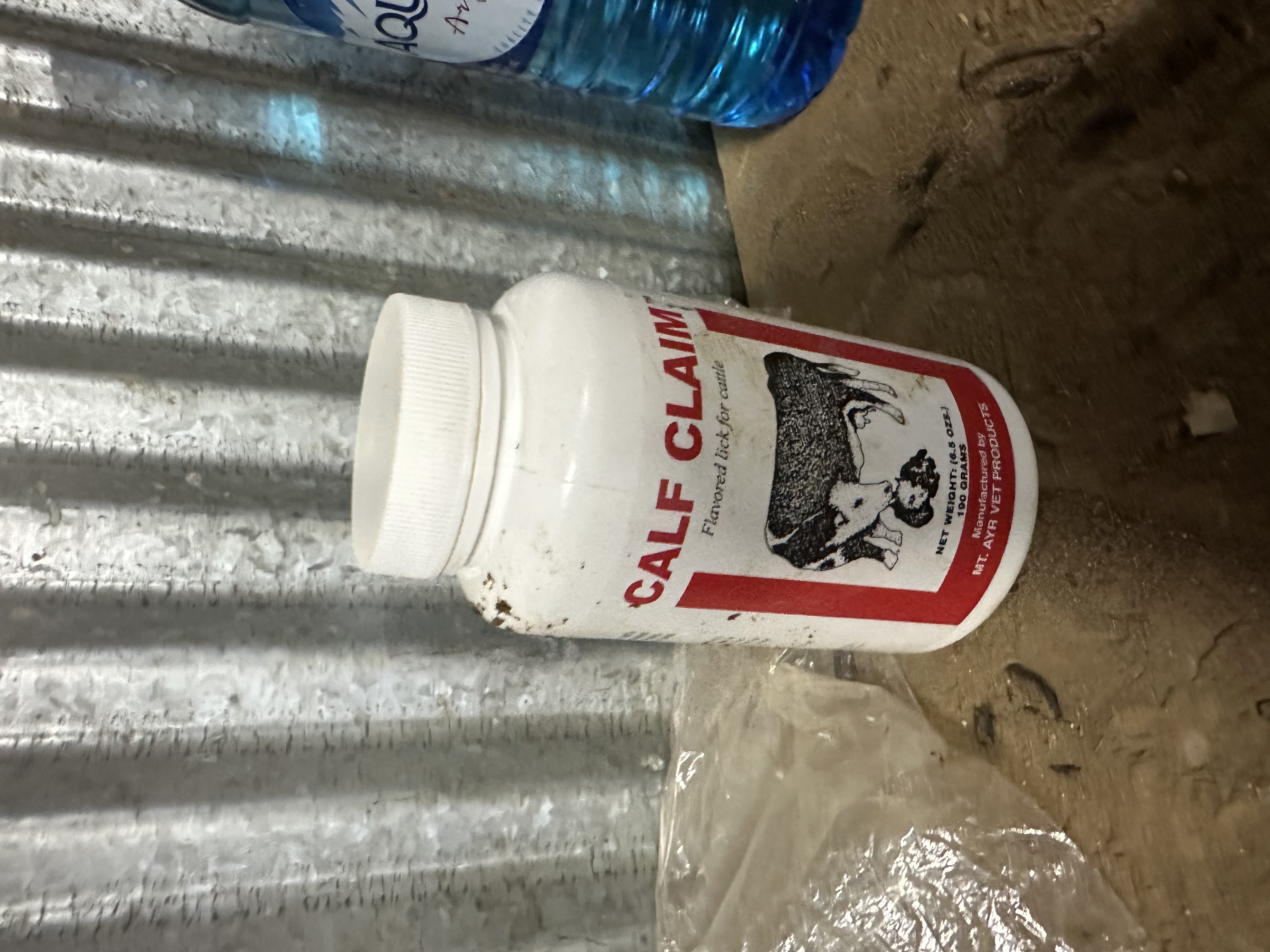
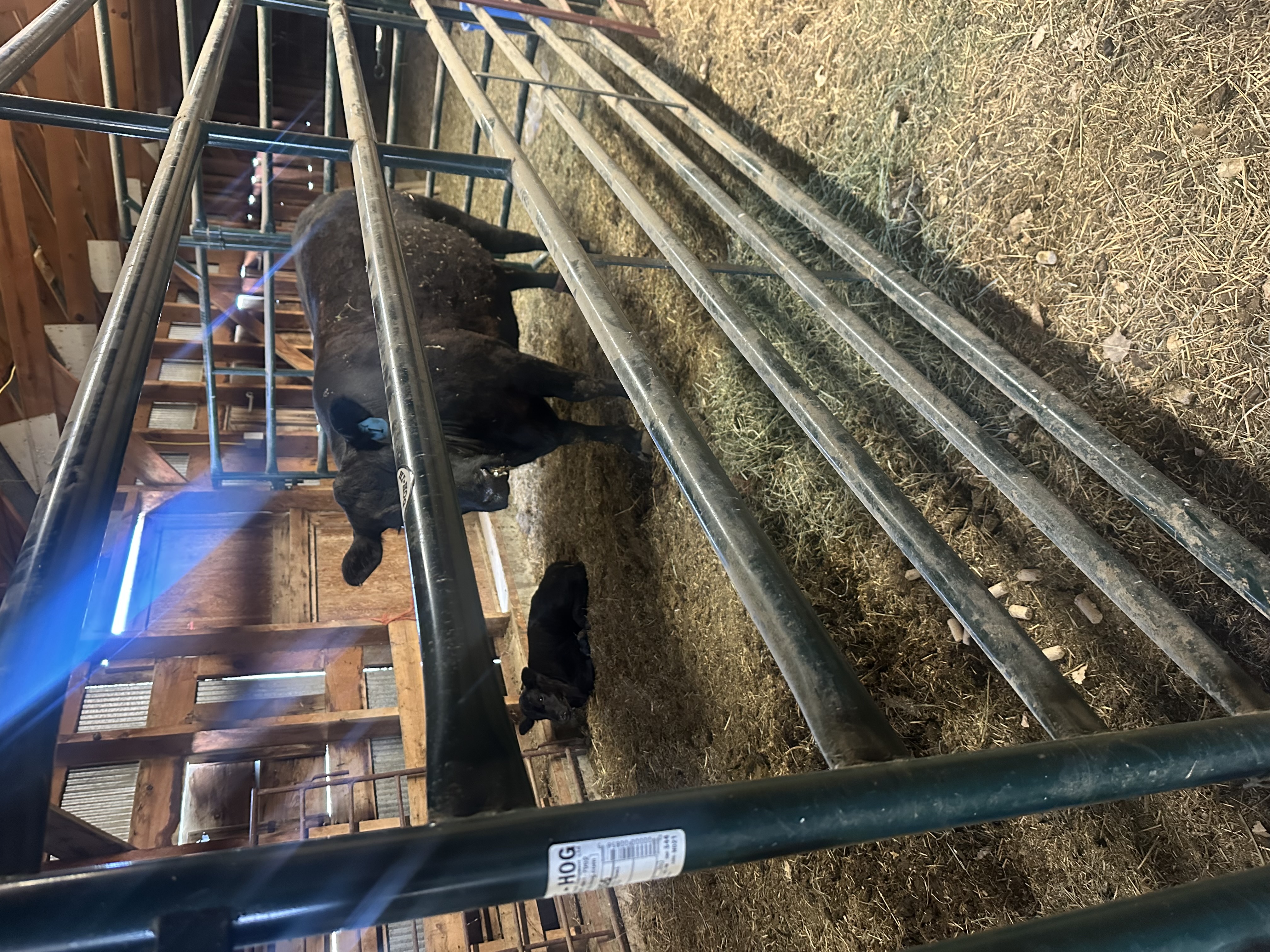
During the beginning of the week, I found ways to keep myself busy. I completed cow check rounds, dug up invasive species, such as hounds tongue and Canada thistle, cleaned out work trucks, and swept the shops. However, as the week continued, things became much busier. This week I went to the vet, who happened to be a University of Wyoming graduate, with a close friend of my host who needed to bring in a cow that was limping. While we were there, we also asked questions about the bottle calf I have been taking care of that was urinating both normally and through its navel. After examining the calf, the vet recommended scheduling surgery for the following week. The next day, I learned how to graft a calf onto a cow after one of our neighbors found an abandoned calf and we had a cow that had recently lost her own. We put the cow in the chute, applied a product the vet recommended called Calf Claim, and hobbled her back feet while keeping them together in the barn to encourage her to accept the calf. This was a unique experience that I believe will be extremely valuable for me in the future.
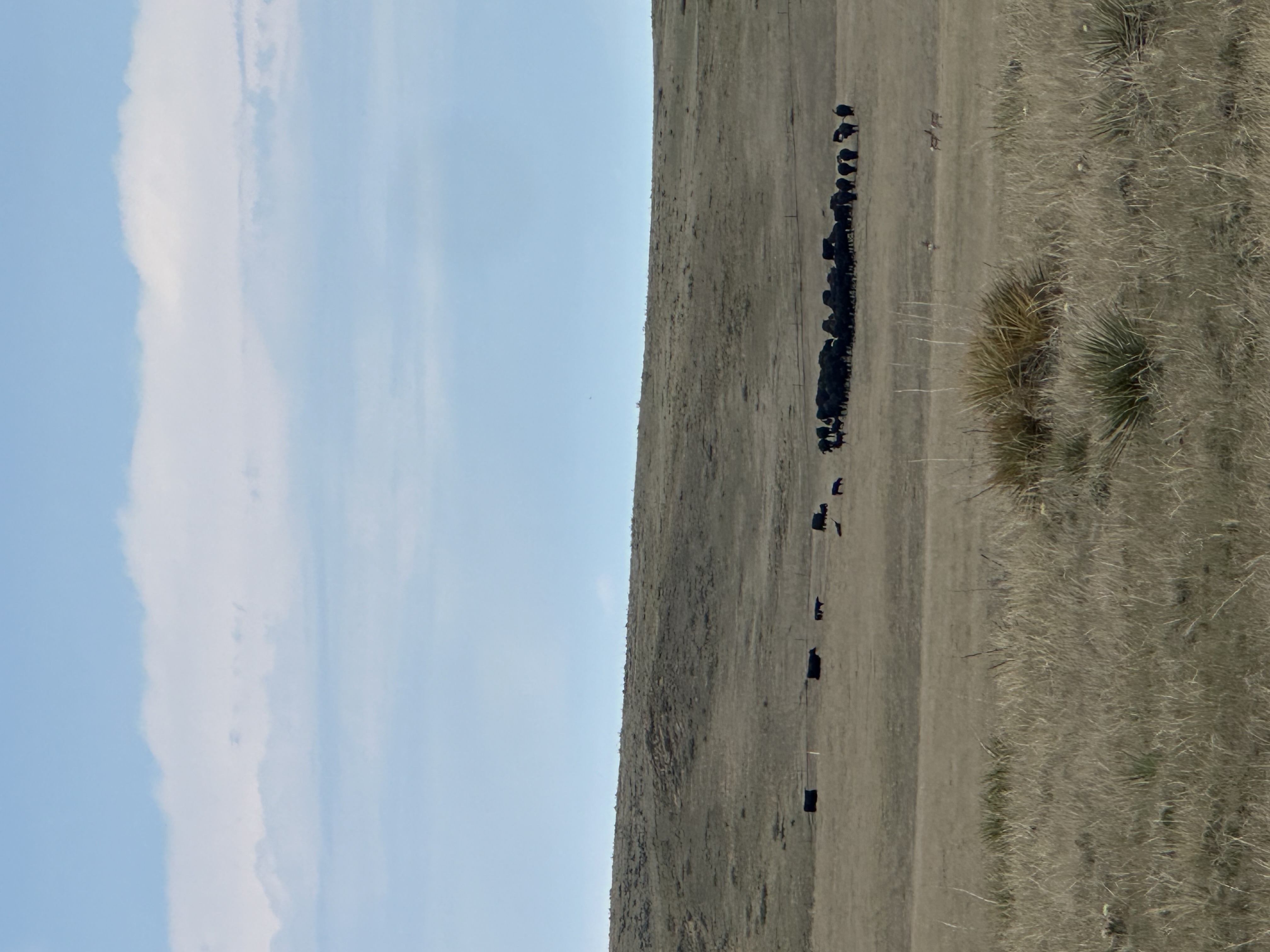
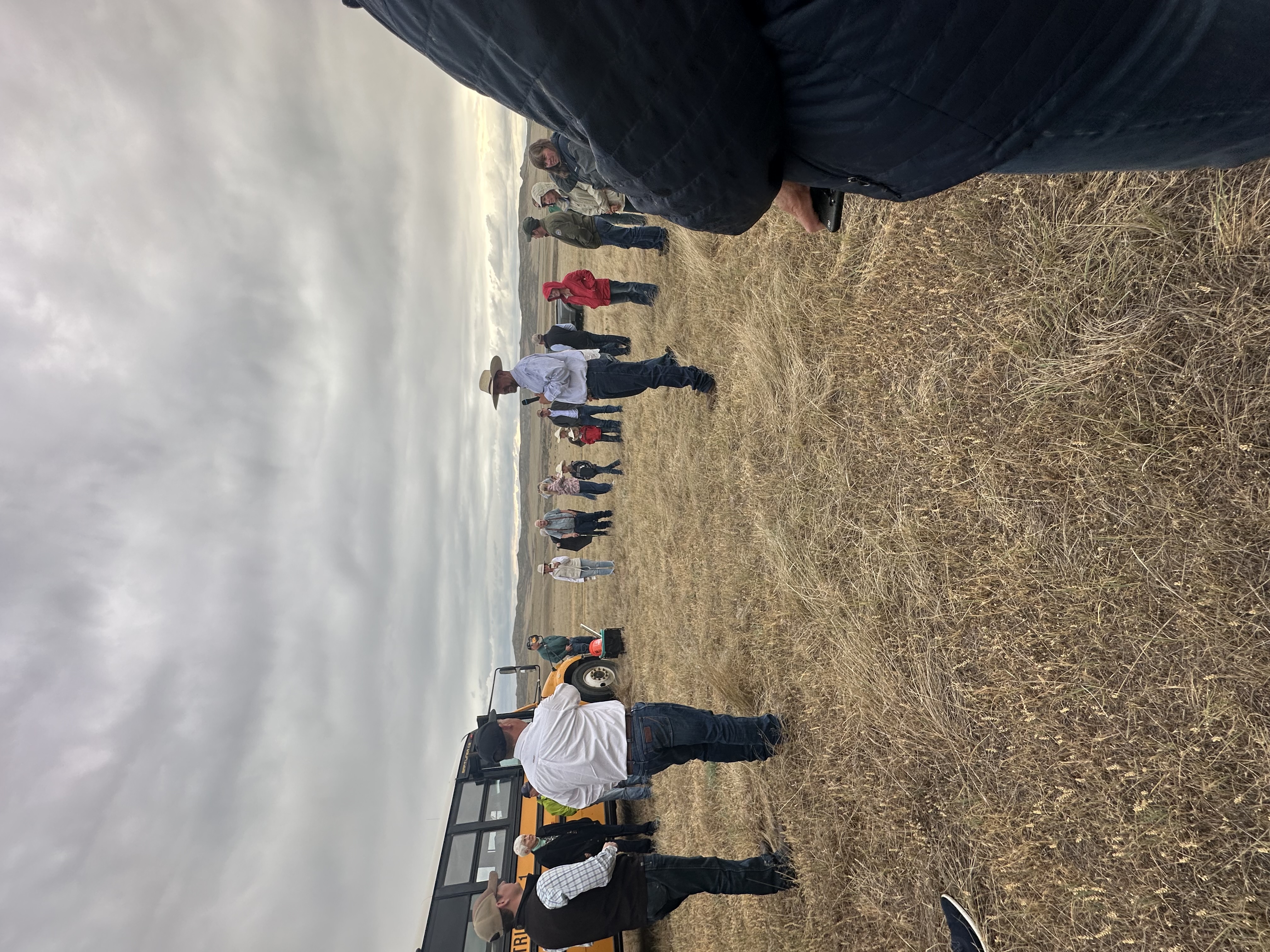
Additionally, on Thursday I attended the Stock Growers Environmental Stewardship Award event at Stoltz Cattle Company in Arvada. Seeing another ranching operation and observing how they manage cattle in a completely different environment was both unique and valuable. Because of the terrain, I learned from Mrs. Heidi Stoltz that they primarily use horses to gather and work cattle, whereas the ranch I am currently on uses mostly side-by-sides and ATVs. As we toured the property, Mr. Thad Stoltz explained and demonstrated their water system. Using gravity, they are able to store water in tanks that supply multiple wells across the ranch, which is especially important because of the area’s drought conditions. Their tire stock tanks also differ from the one at my host’s ranch, as they can pull a plug and completely drain the water through a pipeline downhill to clean it out, which I thought was a very efficient design. This event also gave me another opportunity to network. I was fortunate to reconnect with people I met at the Stock Growers Convention while also meeting another Growing Intern and a University of Wyoming student interning with Stock Growers. It was encouraging to meet people closer to my age who are also working to build careers in the agriculture industry.
One concept I would like to challenge is the decision to not vaccinate cattle. I recently learned about an operation that does not vaccinate its cow herd at all in pursuit of maintaining an entirely organic operation, despite organizations like the USDA allowing certain medication. While I understand that this can be a profitable niche market, I believe there should still be a balance between marketing opportunities and animal welfare. If a cow becomes sick or injured and effective treatment is available, withholding medication simply to preserve an organic label to the extreme seems unfair to the animal and could also put the rest of the herd at greater risk. Proper herd health management should always prioritize the well being of the livestock.
One question I developed this week is how vets and ranchers will continue meeting their medical needs as more restrictions are placed on livestock medications. During our visit to the vet clinic, we learned that a medication my host has relied on for years, and one that his grandfather also used, is hard to obtain due to it being abused in other states by people mixing it with illegal street drugs. As a result, the clinic currently doesn’t have any, and even if it were available, selling it directly to producers has become much more restricted. While I understand the need to prevent drug abuse, I also worry about the unintended consequences these regulations may have on livestock producers. Ranchers often work long distances from clinics and need quick access to medications to treat sick or injured animals on their own. If these restrictions continue to grow, producers may face delays in treatment, increased vet costs, and fewer options for caring for their livestock.
With everything I experienced this week, I would love to become more involved with Stock Growers in the future. The people within this organization willingly share ideas and knowledge to help one another improve their operations. They also invest in the next generation of agriculture through programs, such as encouraging LEAD, internships, and scholarships while advocating for policies that support the average rancher. Being involved with organizations like Stock Growers is a great way to build relationships with like minded people who care about issues, such as water rights, responsible development of data centers, public lands, and wild horse management. Having a strong network of producers who are willing to collaborate and support one another is something I see as extremely valuable.
Overall, this week reinforced ranching is about much more than simply taking care of cattle. I learned the importance of animal health, adapting management practices to different environments, and building relationships within the agricultural community. Every ranch operates differently, but there is always something to learn from observing how others solve challenges. As I continue working toward operating my own ranch in the future, I hope to apply these lessons by prioritizing good herd health, investing in efficient infrastructure, remaining open to new ideas, and staying involved in organizations that support the livestock industry. These experiences continue to shape the kind of rancher I want to become and have strengthened my confidence that this is the career path I want to pursue.
Submitted by: Celise Pacheco
Edits by: GrowinG Internship Team