Branding, Bottle Calves, and Good Neighbors
#bfrdpwy #aginternship #RightRisk
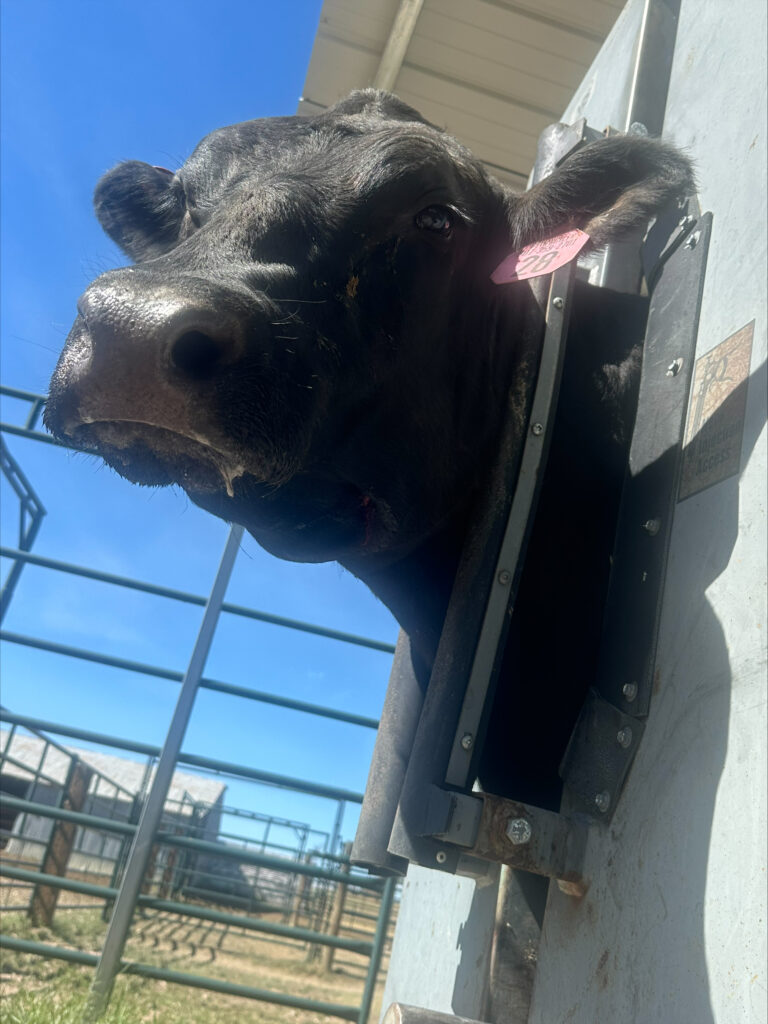
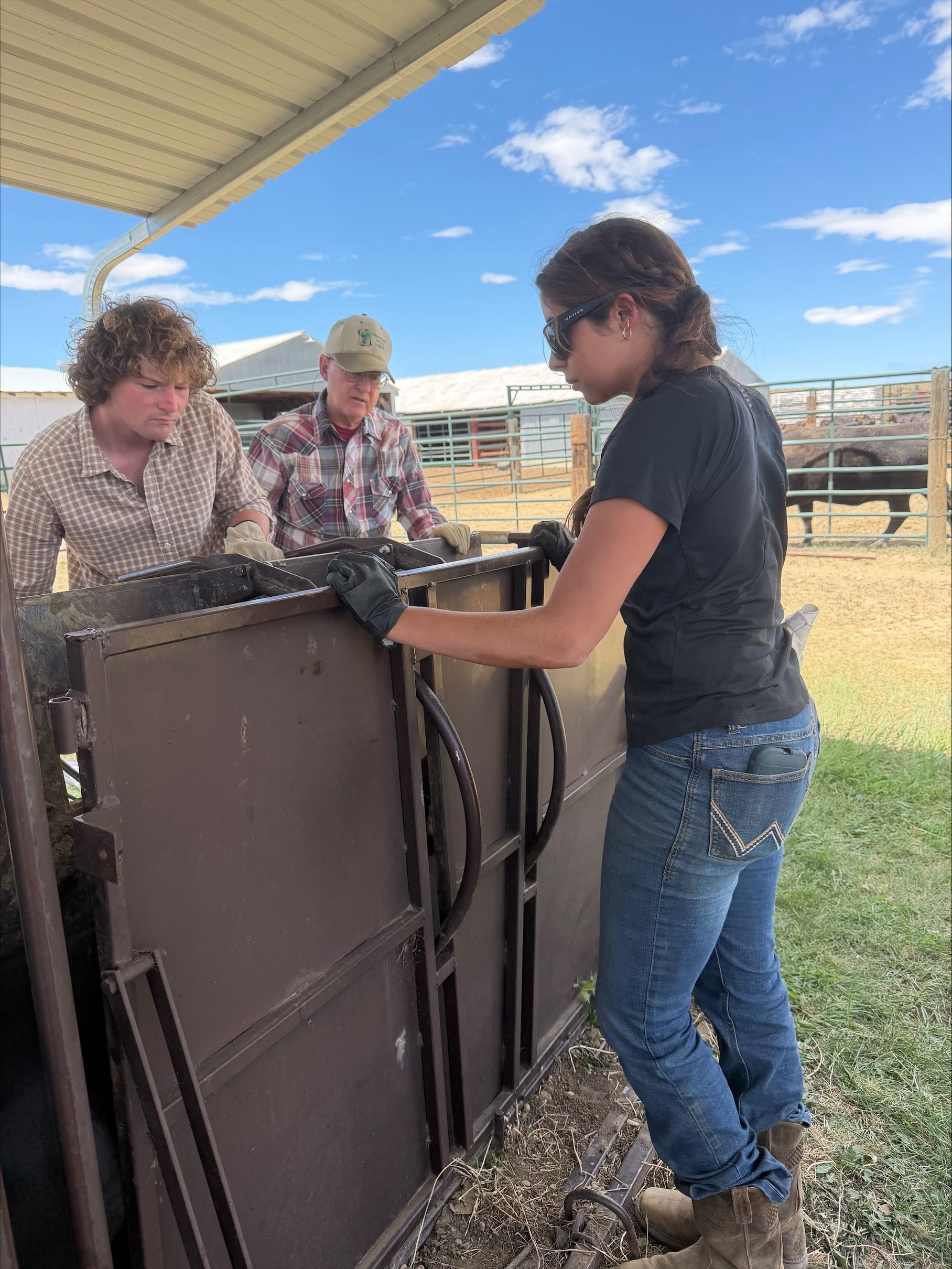
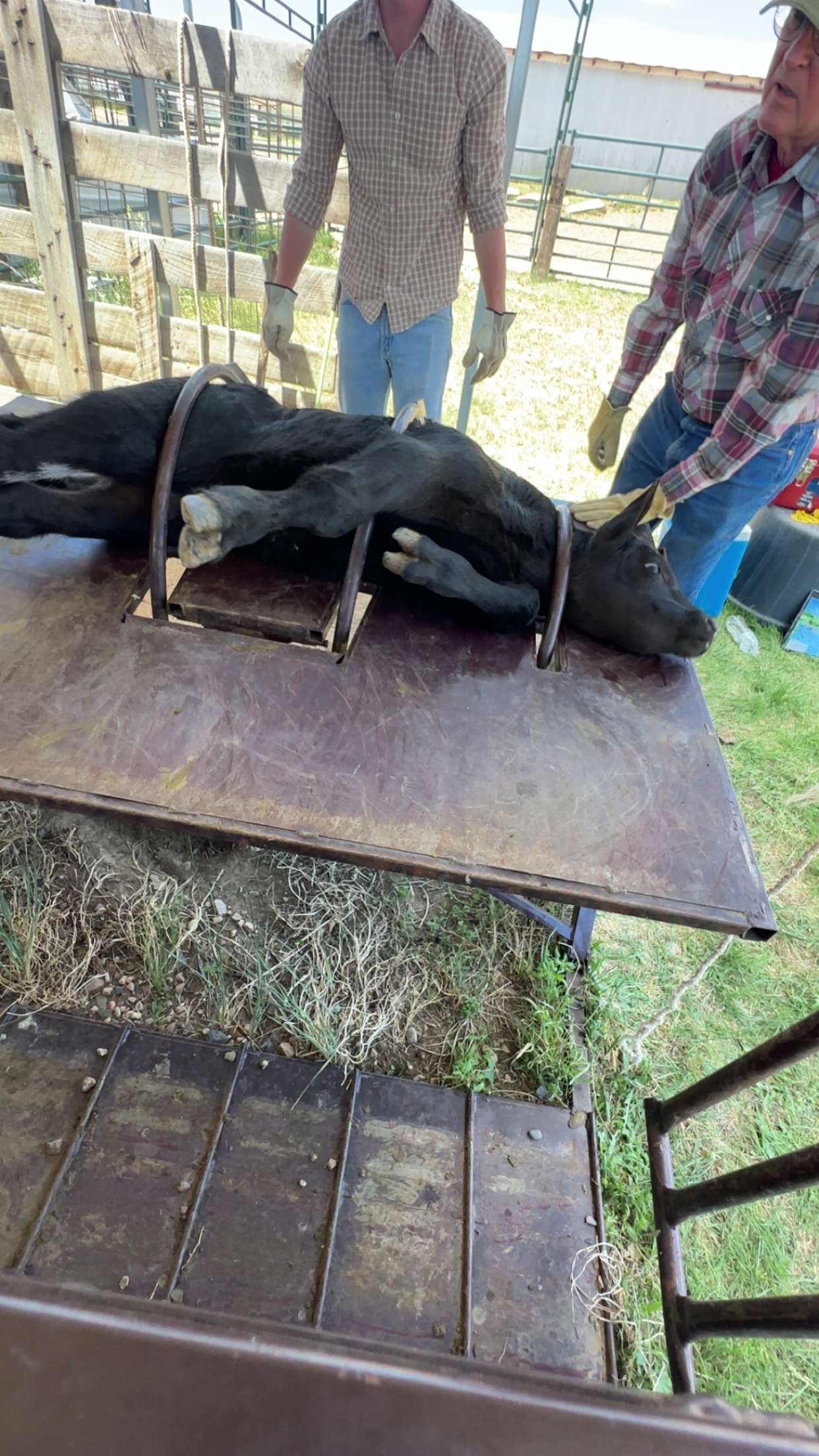
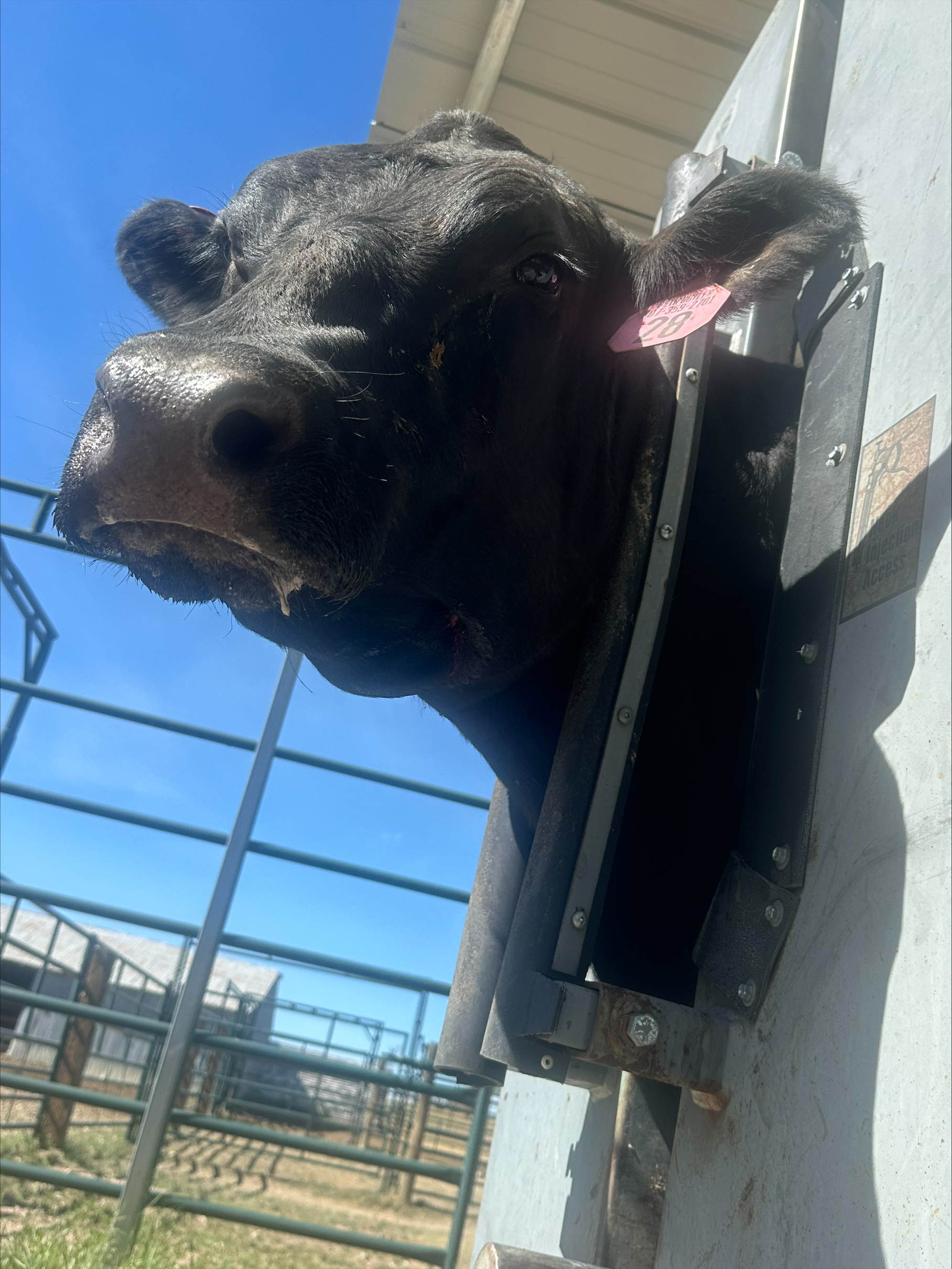
This week was one of the most hands-on experiences I have had so far. I got the opportunity to help with the first round of branding calves. Along with my host and some friends, we branded, vaccinated, applied fly pour-on, castrated steers, and tagged about 60 calves while leaving around 10 bull calves intact. One of the most interesting parts of the day was seeing a calving table in person and learning how it worked. During this branding, I mainly helped with tagging calves and applying the fly pour-on, but I learned a lot about the whole process and hope to try each job at least once during the next branding. We also ran cows through the chute to apply fly control as a preventative measure in case screwworm makes its way into Wyoming. Another thing I learned was how important it is to check cattle closely during branding because we found a cow with “lump jaw” and were able to treat her with antibiotics.
One idea I would challenge this week is turning cows and calves straight back out into a large pasture after branding. Overall, everything went well, but we had a few calves run through fences into different pastures, and one cow had trouble finding her calf afterward. It seemed like the stress and confusion of the branding process may have contributed to some of these issues. I noticed that it took additional time and effort to reunite separated pairs and make sure everything was accounted for. Due to that, I would like to know more about whether it would be better to keep cow-calf pairs in a smaller area before turning them out into bigger pastures.
The main question I still have is how different rope-and-drag is compared to using a calving table. Since this was my first branding experience, I understand the basic ideas behind both methods, but I am curious about how they compare in terms of labor, efficiency, and handling the calves. Other than how the calf is restrained, I would like to know what makes ranchers choose one method over the other.
I met someone at the Stock Growers Convention who does rope and drag due to the sheer size and geography of their pastures. Another does rope-and-drag for nostalgia and to keep tradition. In contrast, another person claimed that table branding is easier for those who are older, with no younger help, and thus made the switch. Overall, I heard various opinions, and once I help with my own rope and drag, and depending on my future property, I hope to have a better idea on what I would want to use.
Moving forward, there are multiple things I would like to apply to my future operation. One thing I noticed was how useful it was to use a combination of side-by-sides, ATVs, horseback riders, and dogs when gathering cattle. Each had its own advantages, and together they made the job easier. As the side-by-sides added extra protection with ornery cows, the quads added extra noise to make the cows move more willingly, and the horses were more mobile and able to make sharp turns if a cow tried to stray. This helped keep cattle moving in the right direction while reducing gaps where animals could break away. I was especially impressed by how effective the dogs were, as they too were more mobile and able to get close to the calves when the ATVs or side-by-sides could not, and would definitely consider using them in my own operation someday.
Lastly, this week showed me how important it is to have good neighbors and people you can rely on. I am still helping care for a bottle calf, and it made me realize how difficult things could become if a rancher had to leave unexpectedly and had nobody available to help. Having trustworthy neighbors can make a major difference during emergencies, busy seasons, or unexpected situations. Ranching often depends on cooperation, from what I’ve seen, whether it is helping gather cattle, checking livestock, or feeding animals when someone is away.
| Submitted by: Celise Pacheco Edits by: GrowinG Internship Team |