Small-Scale Agriculture Skills
#bfrdpwy #aginternship #RightRisk
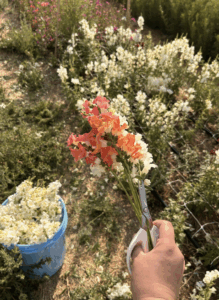
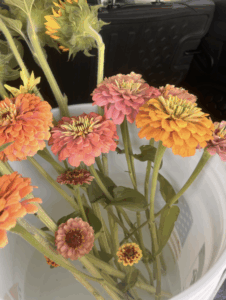
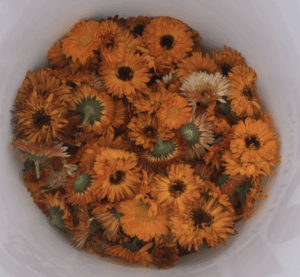
This week, I gained hands-on experience in both flower and vegetable farming, which helped me better understand the diversity of skills required in small-scale agriculture. Harvesting flowers like Snapdragons, Zinnias, Cosmos, Feverfew, and Sunflowers gave me more practice identifying maturity stages, handling stems carefully, and understanding how different flowers are harvested and stored. At the same time, I continued with weeding work, which reminded me how quickly invasive species like knapweed can take over and impact crop quality. Although it might seem repetitive, the task was a reminder of how essential it is to maintain field health on a consistent basis.
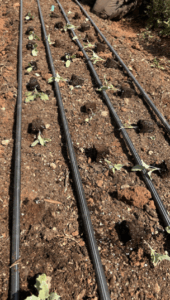
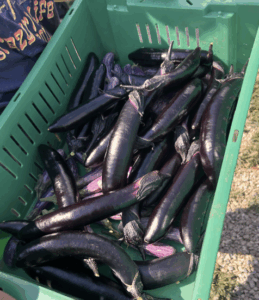
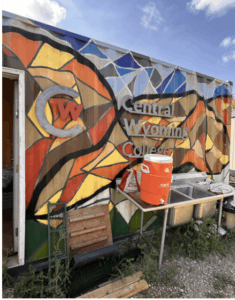
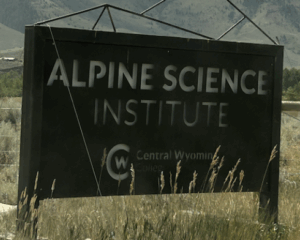
Visiting the Alpine Science Institute and working alongside the staff and students introduced me to more structured, thoughtful farm planning. I learned about crop rotation in real time, including how planting peas with beets could help restore soil nutrients, and how timing matters when planting heat-sensitive crops like spinach. Using the broadfork to prepare soil for Kohlrabi seedlings was new to me and taught me how physical soil structure can directly affect plant establishment. I also learned about harvest documentation by washing and weighing Kale and Eggplant, which helps farms track production trends over time. All of these experiences deepened my understanding of what it takes to manage a farm successfully from both a production and sustainability perspective.
One idea I found myself reconsidering this week is how we sometimes undervalue certain farm tasks, especially repetitive ones like weeding. It’s easy to fall into the mindset that these kinds of jobs are just “filler” when there isn’t anything else to do, but after spending time removing invasive weeds, I realized how crucial the timing and consistency of this work is. Letting weeds like knapweed go unchecked can drastically reduce the quality and yield of crops, making it a lot more than just a maintenance task; it’s part of protecting your investment in the plants. I think it’s important to shift the way we think about these types of jobs and see them as part of an active farm care strategy.
Another concept I’ve been thinking about differently is the complexity behind pricing in the floral industry after talking to my host. I always assumed pricing was mostly fixed or determined by the market, but her explanation showed me that it’s much more fluid and influenced by everything from materials and labor to heating and seasonal fluctuations. It was eye-opening to learn that pricing needs to be revisited regularly to stay financially sustainable. I now understand that it’s not just about what the flowers are “worth” visually, but about all the invisible costs that go into producing and delivering a single stem or bunch. This shifted my perspective and made me realize how business decisions are deeply intertwined with the day-to-day physical work of farming.
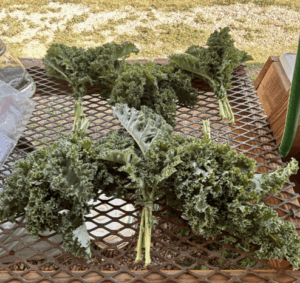
After this week’s experiences, I’m really curious about how farmers measure the success of different crops over time. When we weighed the harvested vegetables, it got me thinking what kind of tracking systems are most effective for comparing yields across seasons or plantings? Do most small farms use spreadsheets, apps, or written logs to keep track of this data? I’d also like to know how that data is used later to influence planting plans or decide if a certain crop or variety is worth growing again. Understanding this kind of analysis feels like the next step in deepening my grasp of farm planning and efficiency.
I’m also interested in learning more about how flower farmers manage the financial side of their business. How often should pricing be reassessed to keep up with inflation or rising material costs? What’s the best way to find a balance between covering expenses and still keeping products competitively priced? My host mentioned fluctuating costs, and it made me wonder what strategies she uses when pricing needs to increase. Does she notify customers, gradually phase in the changes, or adjust other parts of her operation to offset the difference? These are questions I’d love to explore more, especially if I ever take on a leadership role in a farming or floral business.
Looking ahead, I plan to approach fieldwork with a more strategic mindset. Instead of seeing tasks like weeding as routine, I want to view them as part of a bigger picture in keeping the farm productive and healthy. I’ll also try to stay more observant when working with crops, especially regarding soil condition, spacing, and how plant health changes across rows. The process of broadforking showed me how small interventions can make a big difference, and I’d like to learn more about when and where to use those kinds of soil preparation tools. I also plan to continue building on my flower harvesting techniques so I can become more efficient, precise, and gentle when working with delicate stems.
I also want to explore the business side of flower farming further. If I get another chance to sit in on pricing or planning discussions, I’ll pay closer attention to how cost calculations are made and what specific numbers are being used. I hope to ask more questions and maybe even start my own spreadsheet to track harvest weights or flower stem counts, just to practice seeing what data I might want to collect if I were managing a farm. All the lessons from this week, whether hands-on or business-related, showed me that successful farming requires both attention to detail and big-picture thinking, and I’m motivated to keep growing in both areas.
Submitted by: Courtney Robb
Edits by: GrowinG Internship Team