Bobcats, Broken Gates, and Drench Tubes
#bfrdpwy #aginternship #RightRisk
 CLICK the image to view the video
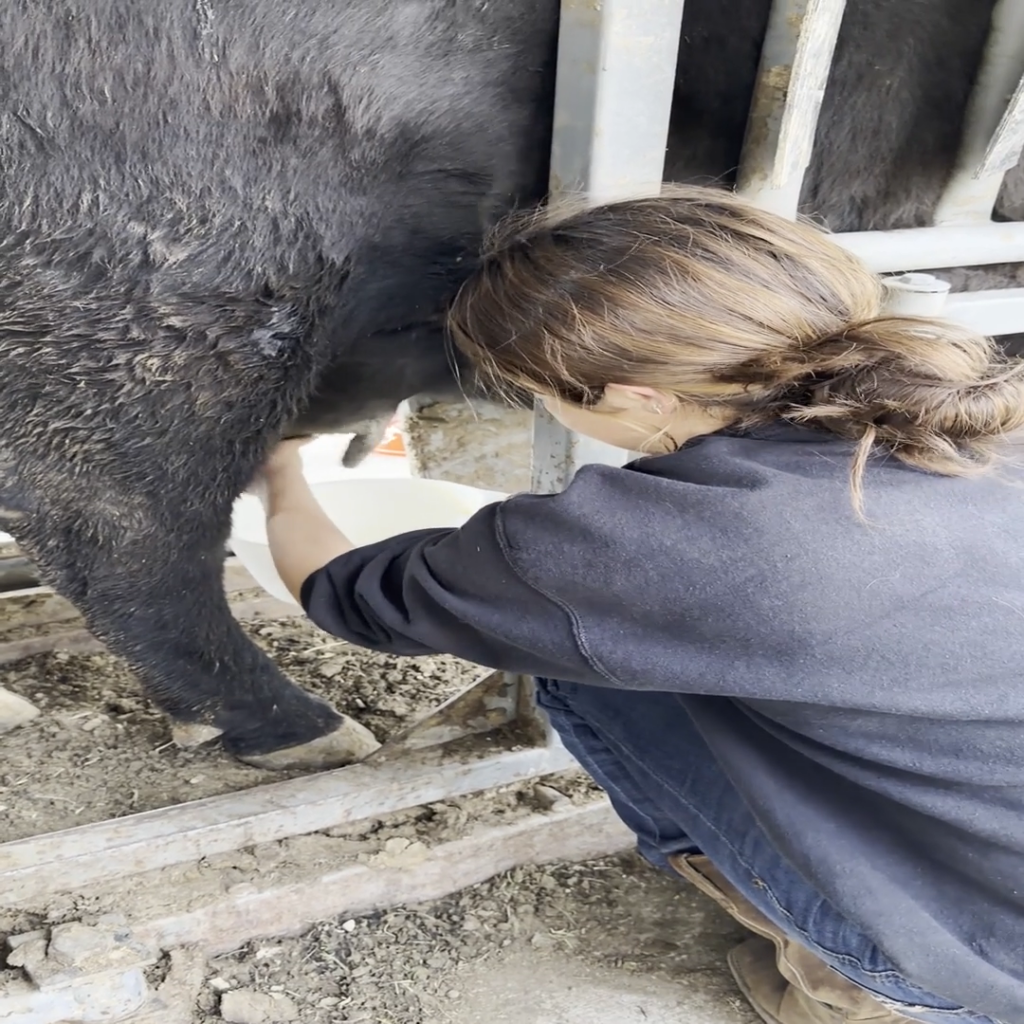
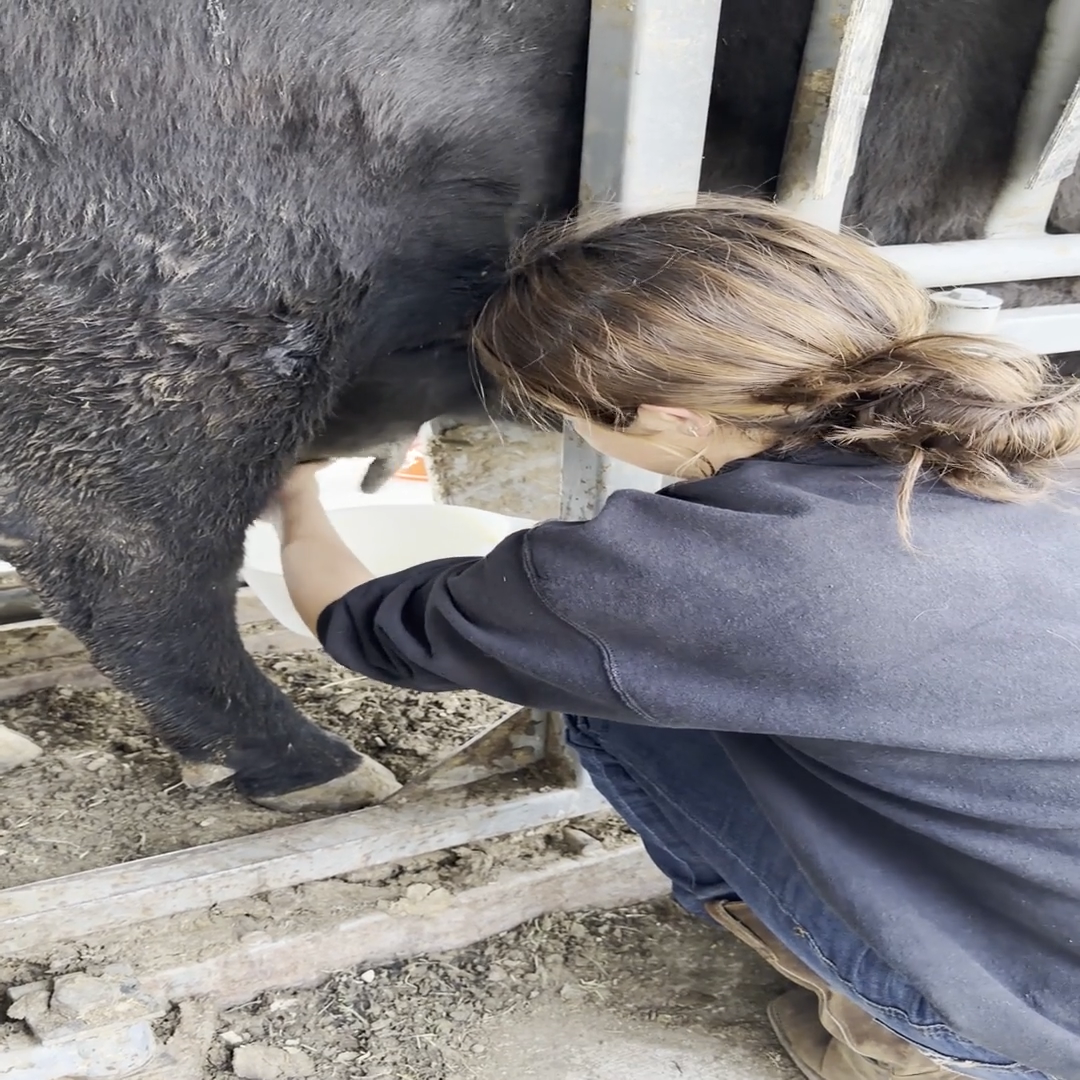
This week I have learned ways to ensure a calf gets colostrum, environmental stewardship, the issues of moving cows between pastures, and the importance of having knowledge of how to use different types of equipment. At the beginning of the week, a neighbor came to the property to use my host’s hydraulic squeeze chute, as he had a cow that had a calf pulled 2 hours before and would not suckle. We spent the rest of the evening trying to get the calf to suckle by itself (it would not), then I milked the cow to try and get the calf to take a bottle. Lastly, because it had no sucking reflex, I watched and learned how to drench tube, which is what we’ve been needing to do this past week.
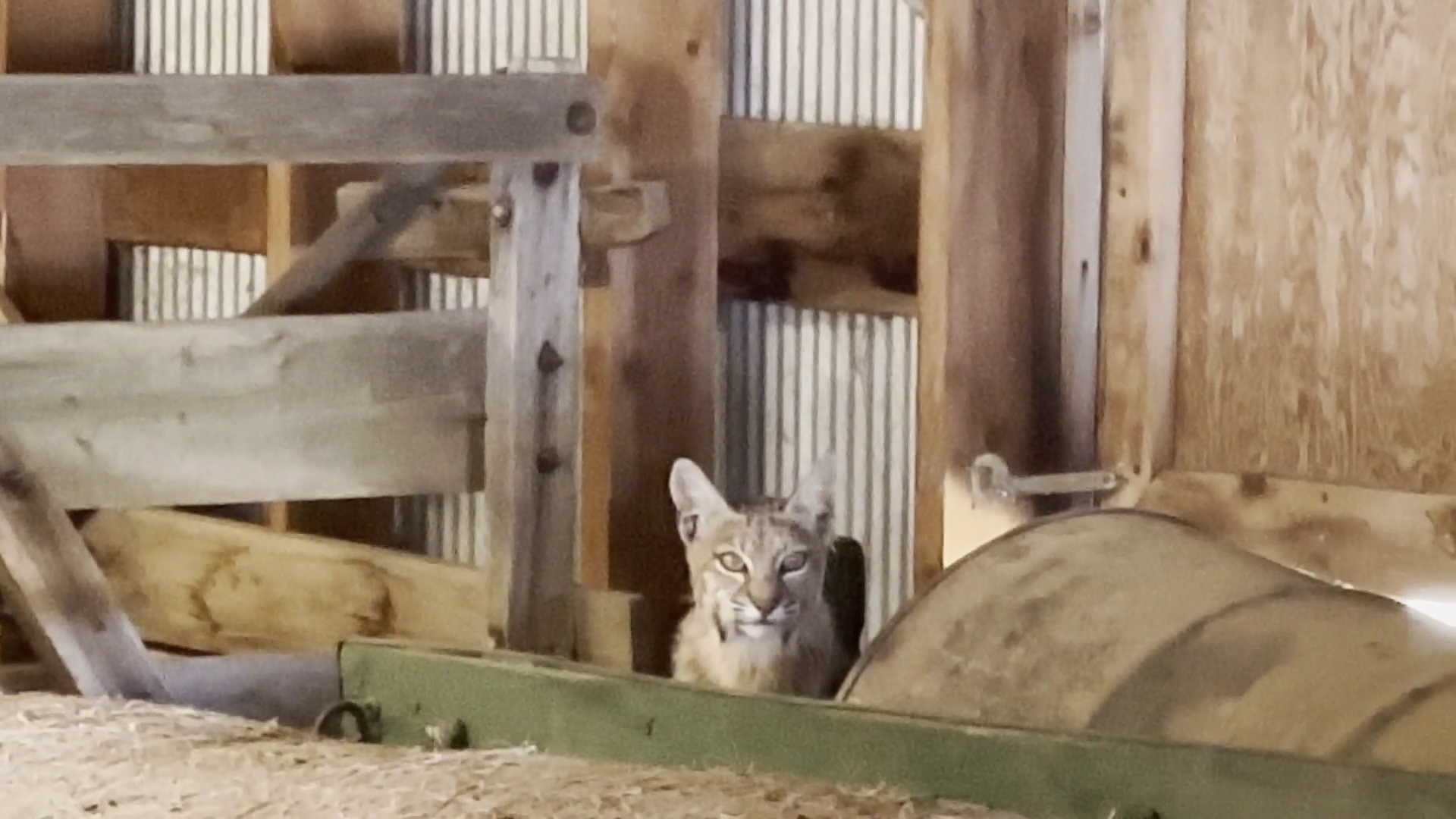
To add, I checked on the calf every day in the calving barn, and on Thursday I saw a bobcat. My host won the 2025 Environmental Stewardship Award and takes great pride in maintaining and restoring their property to uphold the species, both plant and animal, of the original ecosystem. However, in addition to last week’s coyotes, bobcats became an important lesson in the various types of predators in the area.
Furthermore, this week, cows were sorted into separate pastures with the hopes of dividing those who have and haven’t calved, and during my rounds I found three had been missing from where they were said to be. After searching, I found that one of the wire gates was broken and then found out that one of the cows had calved and broke the fence to get to her calf. Not only did I learn how much moving an animal can cause stress, but I also learned of potential hazards that can occur when a cow is moved between pastures during calving season. Lastly, my host taught me how to drive a skid steer and about how to change the various attachments, thus allowing me to understand how the trucks, side-by-sides, quads, etc., all play different roles in different scenarios in a ranching setting.
 CLICK the image to view the video
One idea I would challenge this week is moving cows between pastures during calving season. Despite the idea that knowing who has calved and who hasn’t is a good idea, I think the additional stress and the potential issues that can occur if a calf is separated for too long can cause injury and/or death to both cow and calf. I think it would be best to either establish specific groups that stay in specific pastures before calving season and keep them separate until everyone has calved, or have everyone in a single pasture and move them together only to prevent overgrazing.
Currently, I have been wondering what a pasture needs to look like before you begin supplementing a herd’s diet with hay. I have had some conversations about it with my host, but I have yet to see what it actually looks like in person. My host follows a 50 percent grazing plan and then rotates the cattle to a different pasture. We also discussed recent findings that suggest grazing a pasture heavily for a short period during the growing season may improve grass growth.
With the events of this week, I plan to research grazing methods as new research is published, with the hope of using the most effective approach once I have my own operation. I want to continue learning about how different grazing strategies affect available forage, soil health, and pasture sustainability. As well as implementing what I have been taught on the steps that need to be taken when a calf won’t suckle, and thus better my ability to use a drench tube before then. Lastly, I plan to continue to develop my skill in operating equipment, such as the skid steer, hydraBed, and trailers.
| Submitted by: Celise Pacheco Edits by: GrowinG Internship Team |