Fence Lines, Feed Runs, and Finding Perspective
#bfrdpwy #aginternship #RightRisk
Week 3 was one of my favorites so far. It had a great mix of travel, new experiences, and the kind of everyday ranch work that I am slowly getting more comfortable with. The week started on Monday with a trip up to Montana to visit some family members of the ranch and tour their operation. Seeing a completely different landscape and climate made for a striking contrast to what I have grown used to here in Wyoming. The ranch was beautiful, and I had the chance to check on some cattle, talk about how their operation runs, and gain a broader perspective on what ranch life can look like depending on where you are. No two operations are the same, and visits like this are a great reminder of that. On the way back, I also had to check on the sheep’s water at home. The trough had developed a hole and was completely dry when I got there, so I hauled out a replacement and got them taken care of. Even on a travel day, the animals still need tending to.
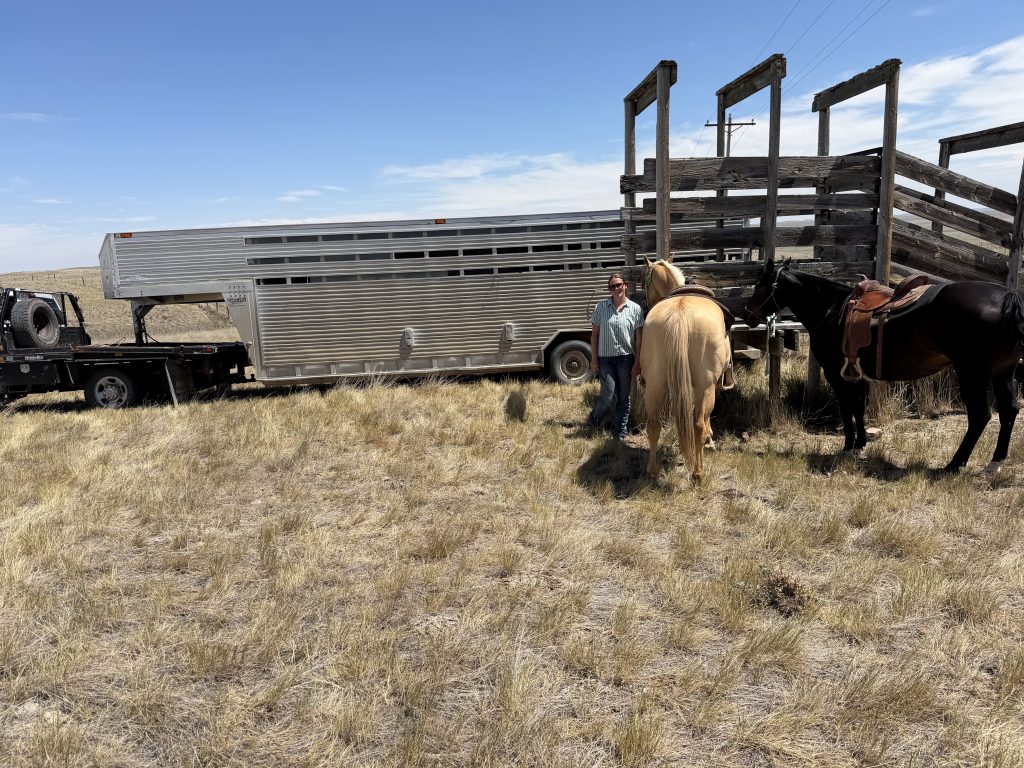
Tuesday was a productive day out at the homestead. We went out to gather a cow and her calf. The cow was heading to auction on Wednesday, and the calf needed to be brought in for closer monitoring, bottle feeding, and hay. The gather itself was straightforward. I helped lead them to the corral; we loaded them onto the trailer and brought them back to the house. It was a smaller scale than moving a full herd, but it was a good opportunity to practice reading the animals and staying patient through the process. After that, my host taught me how to check fences, which was a new task I had not done before. I walked the perimeter of the homestead looking for loose or broken wire and used staples and other fasteners to tighten wire back around the metal posts where needed. It is not physically demanding work, but it requires attention. Walking those fence lines made me realize how easy it would be to overlook a small gap that could become a big problem. Keeping the living quarters safe for the animals and for everyone else on the property depends on the consistent upkeep.
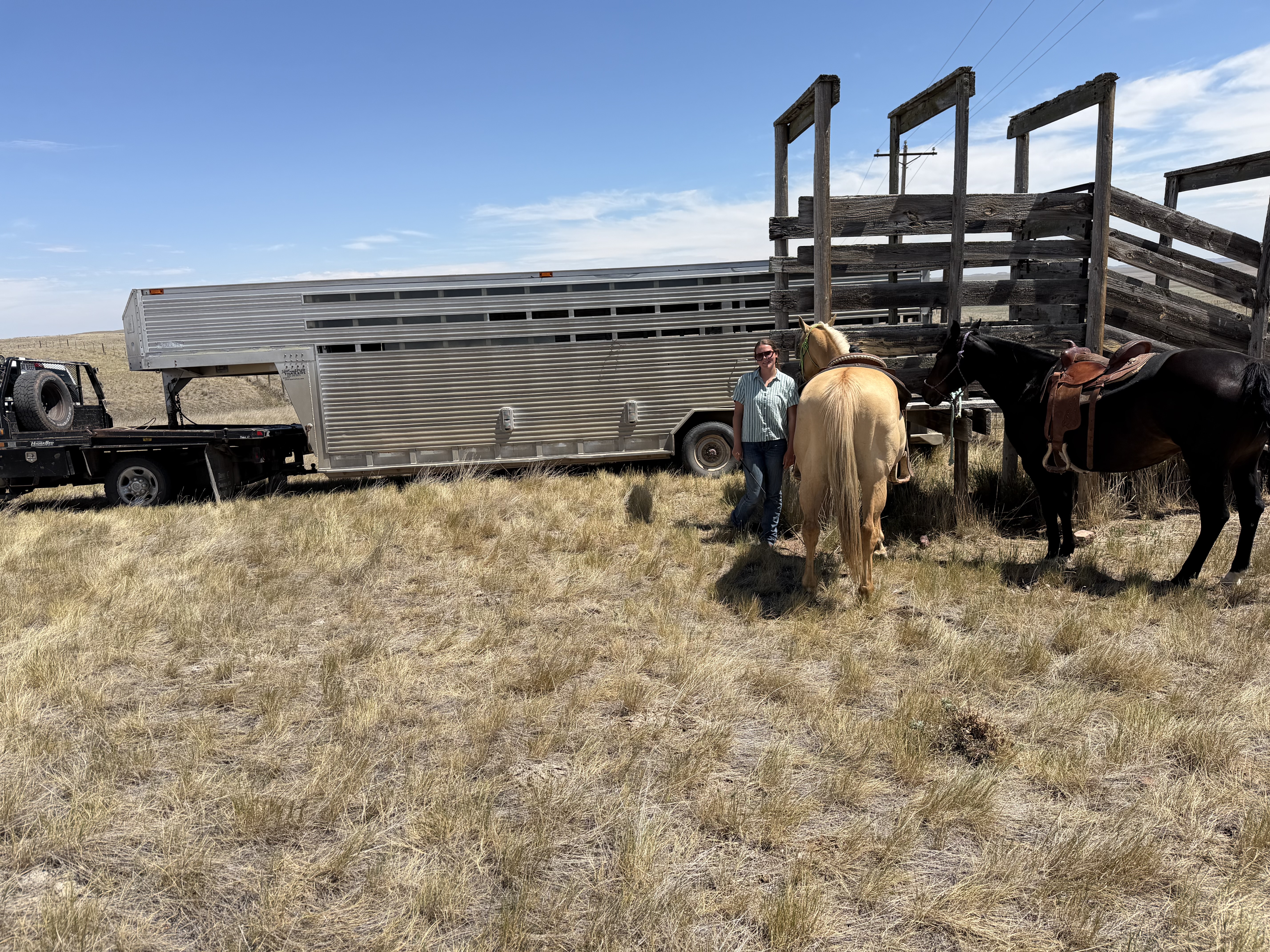
Wednesday was a more relaxed day. After my morning chores and riding out to check on the sheep and their water, I joined others for a drive to South Dakota to drop off two cows, pick up feed, and look at trailers. I did not have a significant role in the logistics of the day, but it was another chance to see what goes into running an operation at this scale. Such as the sourcing, the hauling, the decisions that happen behind the scenes. On the drive back, we had a good conversation about the challenges farmers and ranchers face, from policy changes to shifting climate patterns. It was one of those conversations that broadened my understanding of agriculture well beyond what I see day to day on the ranch. This week also reinforced something I have been noticing more that the days are long, and a single task can easily take up most of your afternoon. But everything that gets done has a reason behind it, and I am learning to appreciate that more with each passing week.
Thursday followed my usual morning routine before heading back out to finish the fence work at the homestead and do my regular check on the cows and bulls. That evening, we went to a community event downtown. There was live music, good people, and a relaxed atmosphere. It was a nice reminder that ranching is not just about the land and the animals; it is also deeply tied to the community around it. The people of Gillette have been nothing but welcoming, and it was enjoyable to spend an evening socializing outside of the ranch.
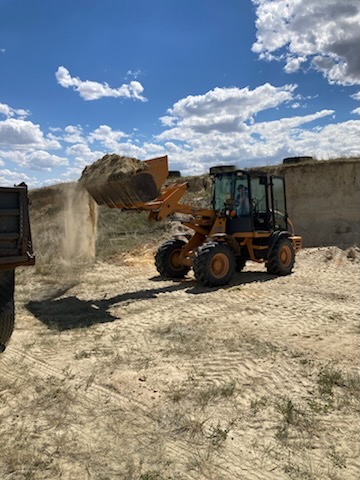
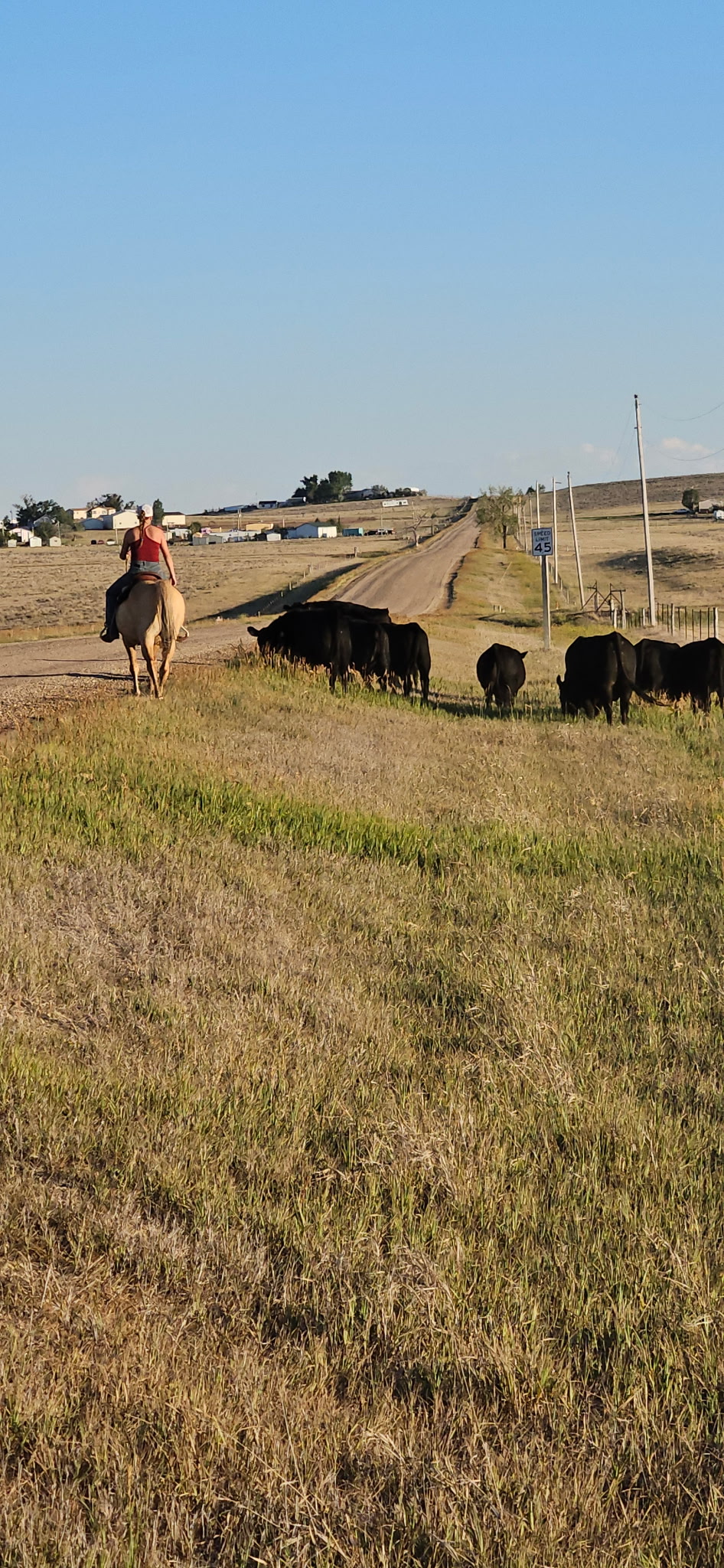
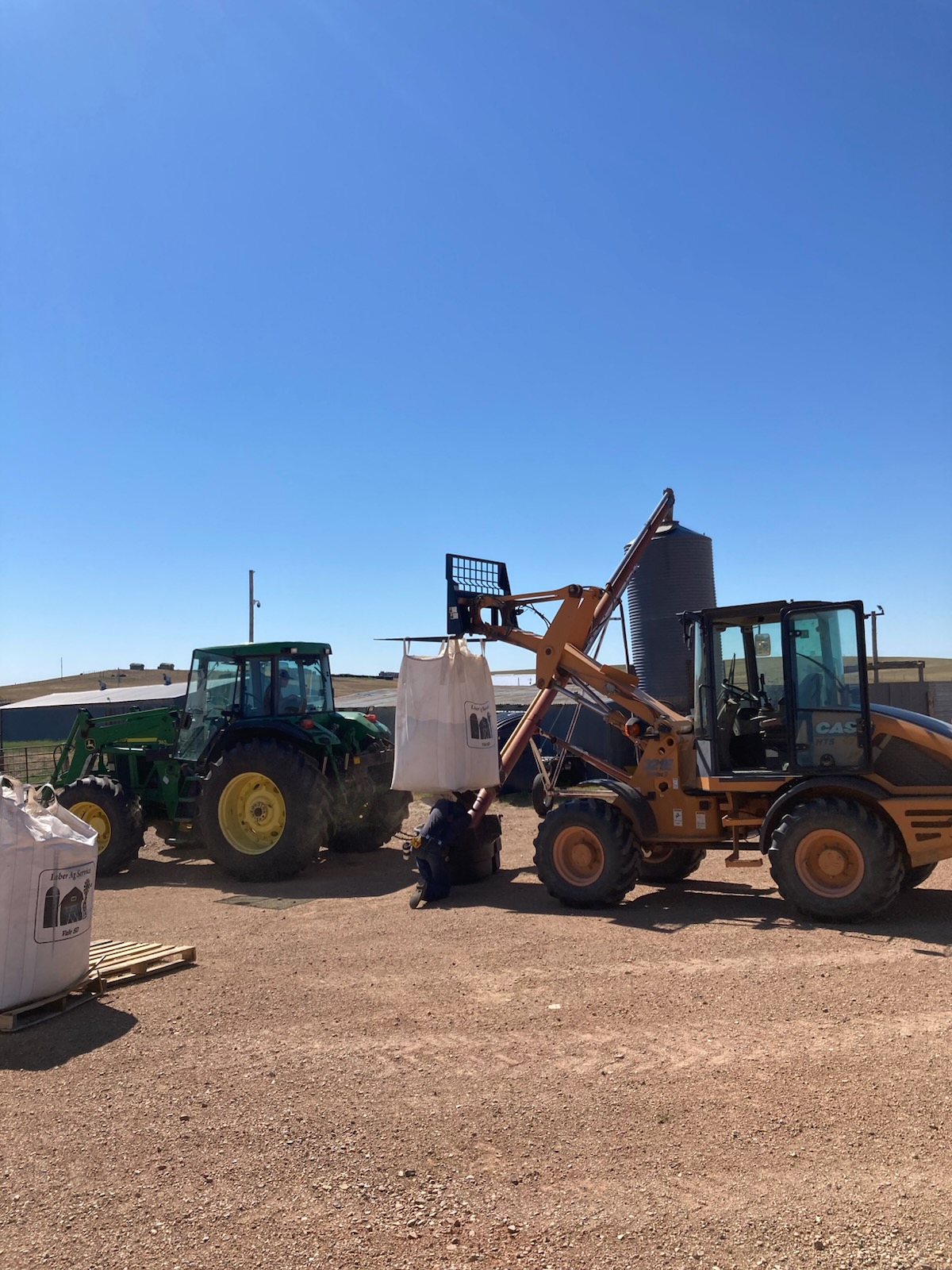
Friday was a full day. After morning chores, I helped clean out the chute area in preparation for eventually setting up a new one. From there, I helped unload the grain that had been brought back from South Dakota and transfer it into the grain silo. My job was operating the hydraulics on the tractor to control the auger, and I genuinely loved being part of that process. It felt good to be trusted with an important role in something I had never done before. They mentioned that they used to mill their own grain, which would have taken significantly longer. A detail I found fascinating and would love to learn more about someday. Later that evening, we moved some heifers to a temporary plot with better grazing, slowly walking them down the road and letting them graze the ditch grass along the way. On the way back, we took the long route so I could see more of the land and get a sense of where the cattle might be moving next. Then, when I went out that evening to feed the two calves, I found that one had passed away. Just a few hours earlier when I had fed it, it had seemed to be improving. We had known it was struggling and that the odds were not in its favor, but it still caught me off guard. Watching the family work so hard to give that calf every possible chance, even knowing it might not make it, showed me something important: every animal matters to them. That kind of care and dedication is something I want to carry with me.
Saturday was a bit lighter. I did my chores, ran some errands in town, and then headed out to the homestead to roll up old barbed wire. It got very hot in the afternoon, so I wrapped up around 4:30, fed the calf, and called it a day. One thing I want to mention from across the week is the challenge of counting the bulls at the homestead. On one of my checks, I could only account for four of the five bulls and spent about two hours searching for the last one. He had been there the day before and turned up later that evening when someone else went out to check so he was fine. But this experience did push me to think more carefully about how I search a pasture and where animals tend to hide themselves. I also spent time this week working with the sheep we are taking to Nationals on Wednesday, getting them comfortable on a halter and practicing moving their feet. It is slow, patient work, but I am hopeful they will be ready in time. As I look ahead, I want to keep sharpening my eye when I am out checking animals and get more efficient at covering ground when I need to account for every head.
Submitted by: Kaci Jericoff
Edits by: GrowinG Internship Team