Branding, Bottle Calves, and Horsemanship
#bfrdpwy #aginternship #RightRisk
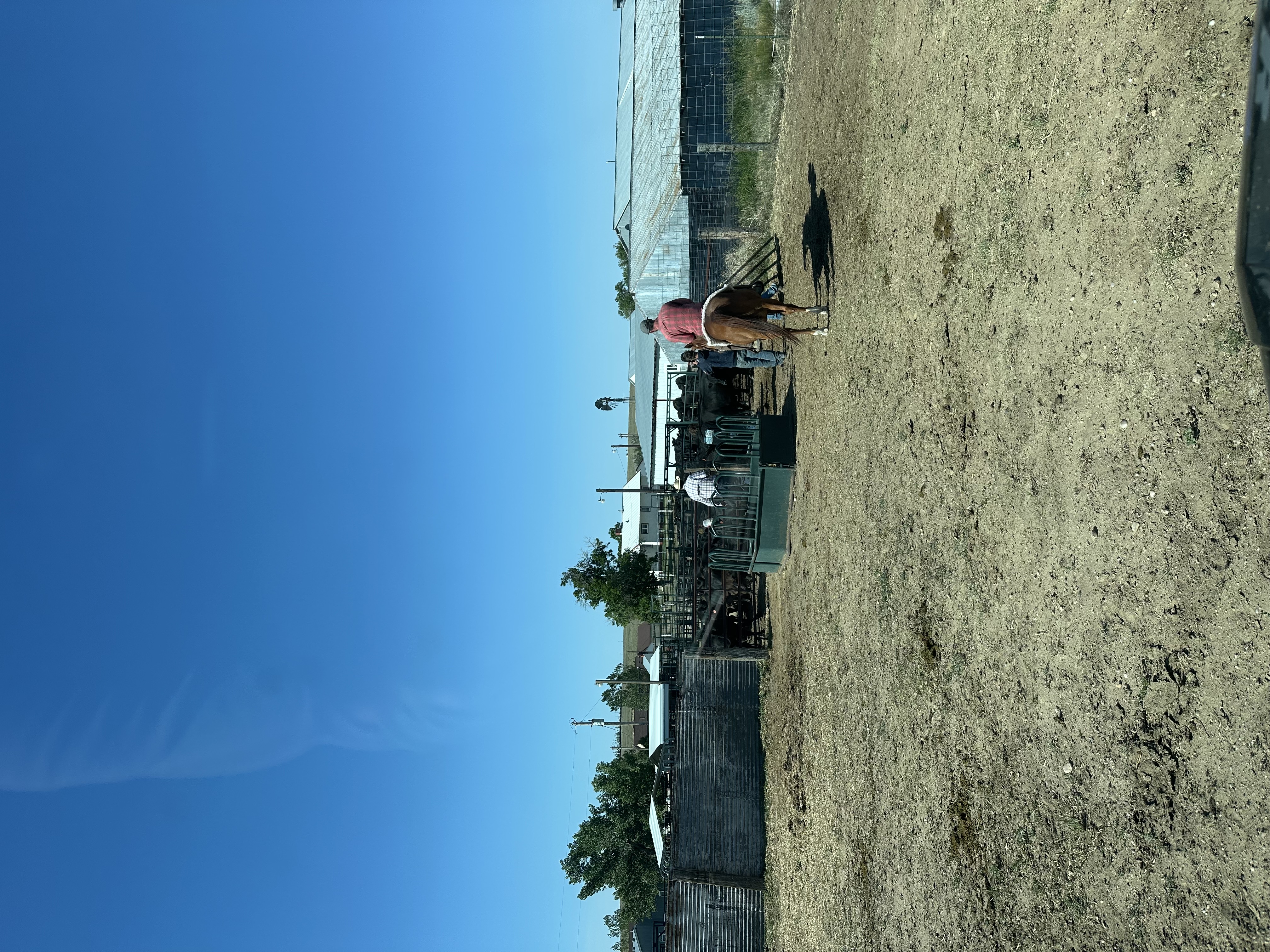
This week I was invited to help with a neighbor’s branding, where we branded 65 calves. Since the branding was done at my host’s property, many of the procedures were similar to what we normally do. However, there were many more dogs around, which added a different element to the day. In preparation for the branding, I helped repair a gate and sprayed WD-40 on all of the hinges in our corral. I also watered down the dirt before bringing the cattle into the pens to help reduce dust.
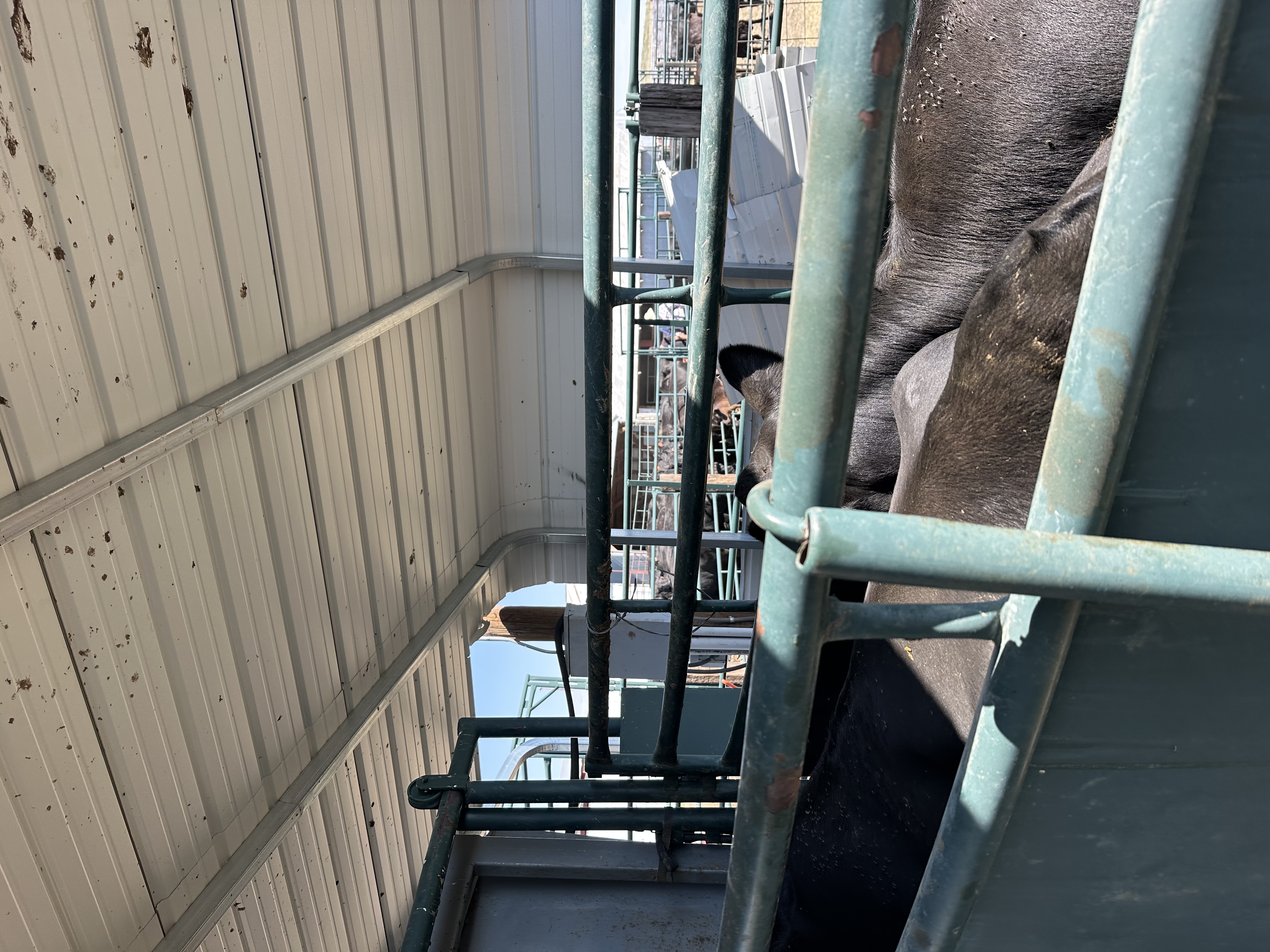
This week we also had to take the bottle calf I have been caring for to have surgery to close its urachus. The calf had urine coming from its navel, so I have been responsible for spraying disinfectant, and a combination fly spray on the umbilical area to prevent infection. The surgery was successful, and although the calf was a little lethargic the following day, it has continued taking its bottle and is recovering well.
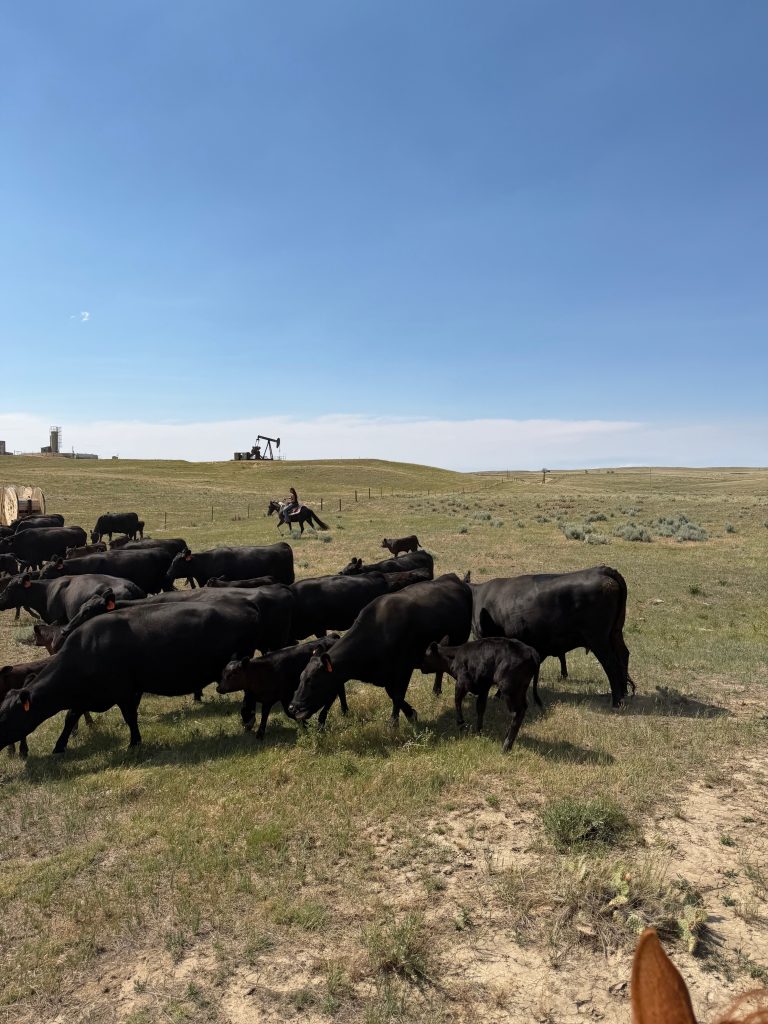
Another major experience this week was moving cows on horseback. We spent about three hours gathering and pushing cattle, which was a nice contrast to using side-by-sides and ATVs. Riding horses made it easier to move cattle through draws and rough terrain, and the cows seemed less stressed than when using motorized vehicles. While side-by-sides are much faster and more convenient, horses still have important advantages depending on the situation. Moreover, working with horses also helped me become more comfortable handling livestock from the saddle. I learned that good horsemanship requires patience, and good communication between the rider and the horse. Spending more time horseback gave me a better appreciation for the skill and training involved.
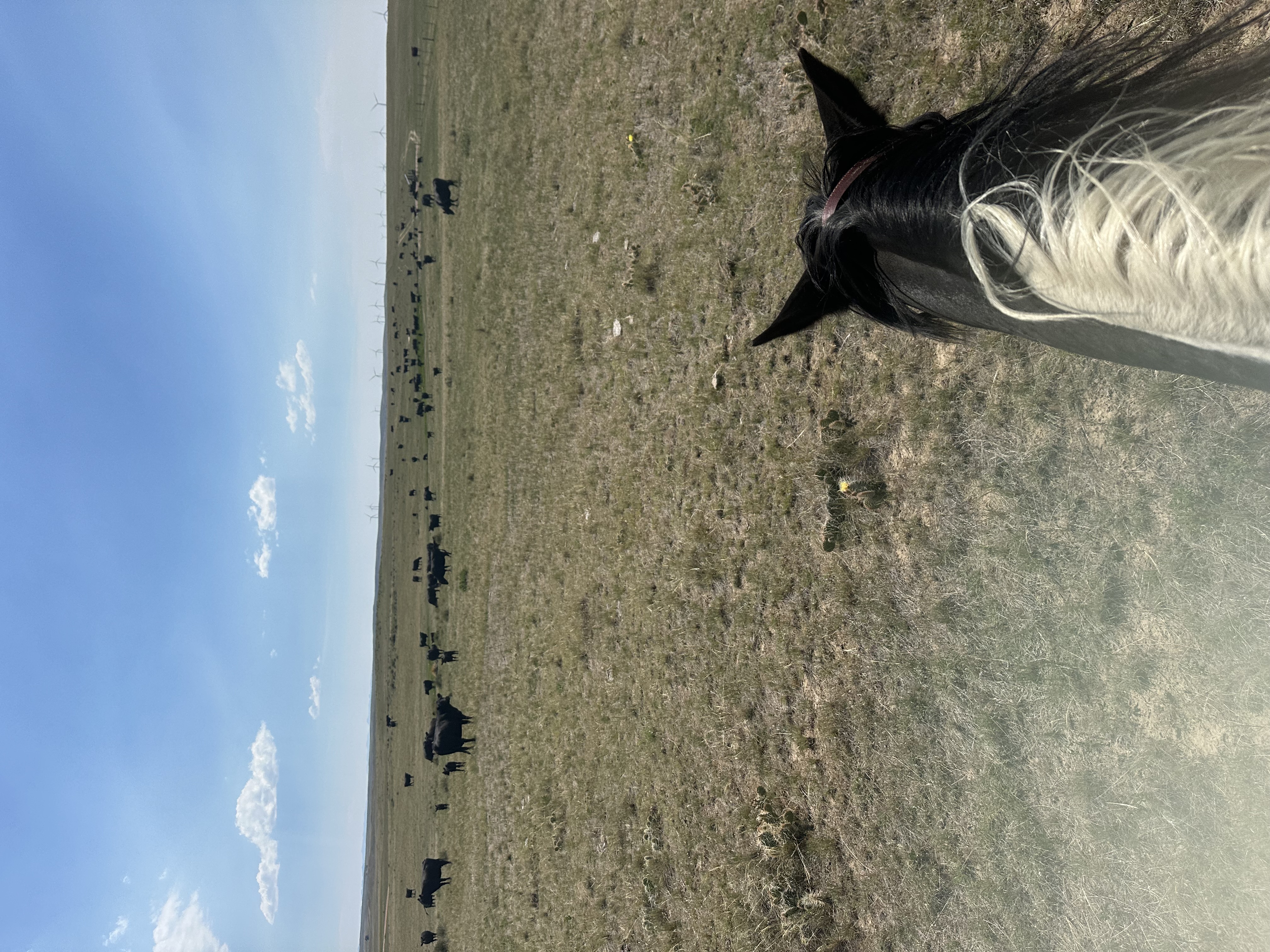
One thing I would like to challenge is the fact that training horses has slowly become a dying art. Fewer people are learning how to properly train and work with horses, even though horses continue to play an important role in many ranching operations.
This leads me to my question, of how can we encourage more people to learn horse training and become involved with working horses, especially since they continue to play such an important role in the agriculture industry?
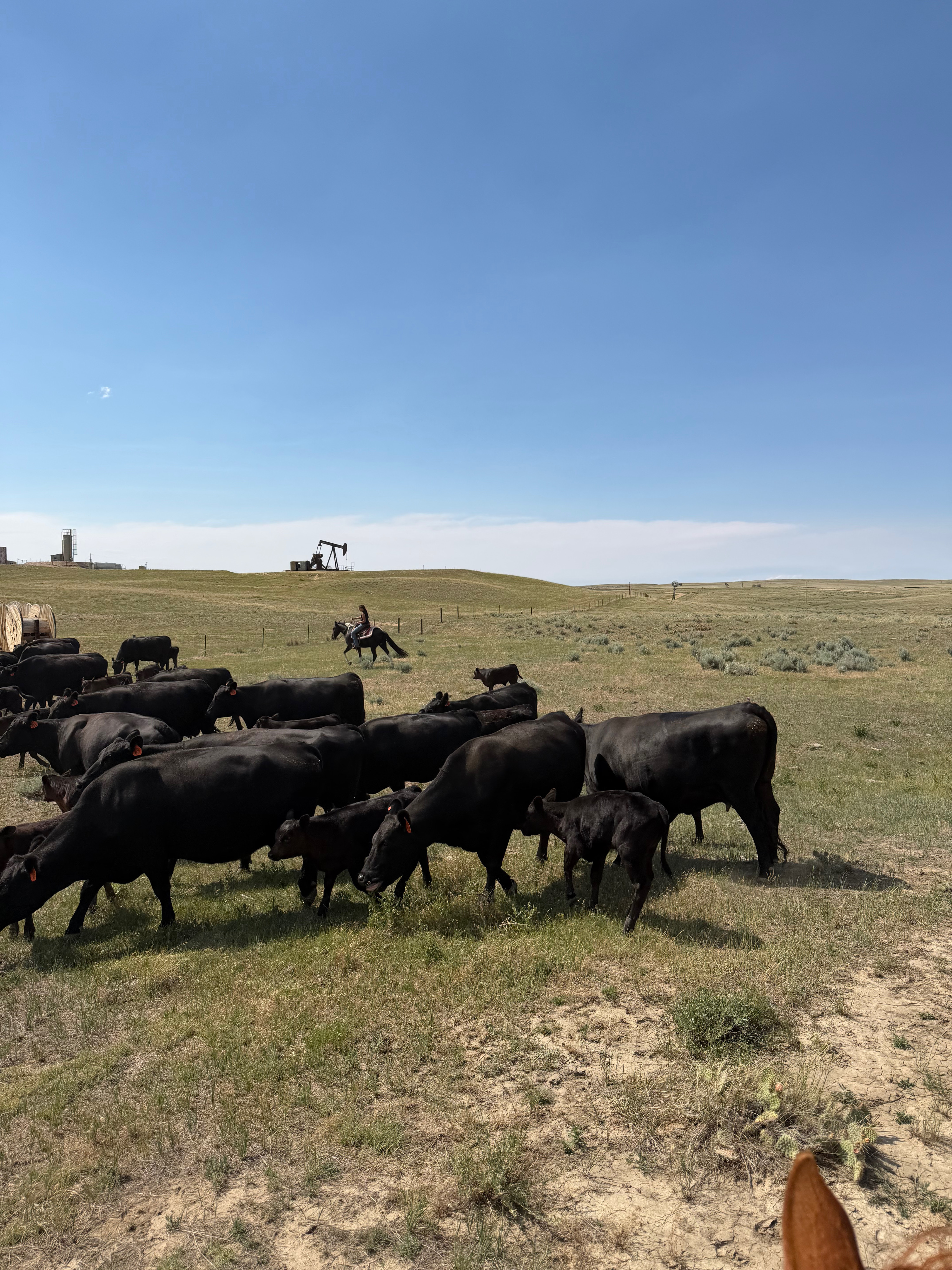
Using horses can be very beneficial and, as I mentioned last week, they are often the better choice depending on the terrain. Even though I am not sure what type of property I will manage in the future, I know that understanding when to use horses versus side-by-sides or ATVs will be a valuable skill. The experiences I have gained this summer have shown me that each method has its place, and being able to choose the right tool for the job will allow me to make more effective and adaptable livestock management practices.
Submitted by: Celise Pacheco
Edits by: GrowinG Internship Team