Bales, Broken Gates, and Better Communication
#bfrdpwy #aginternship #RightRisk
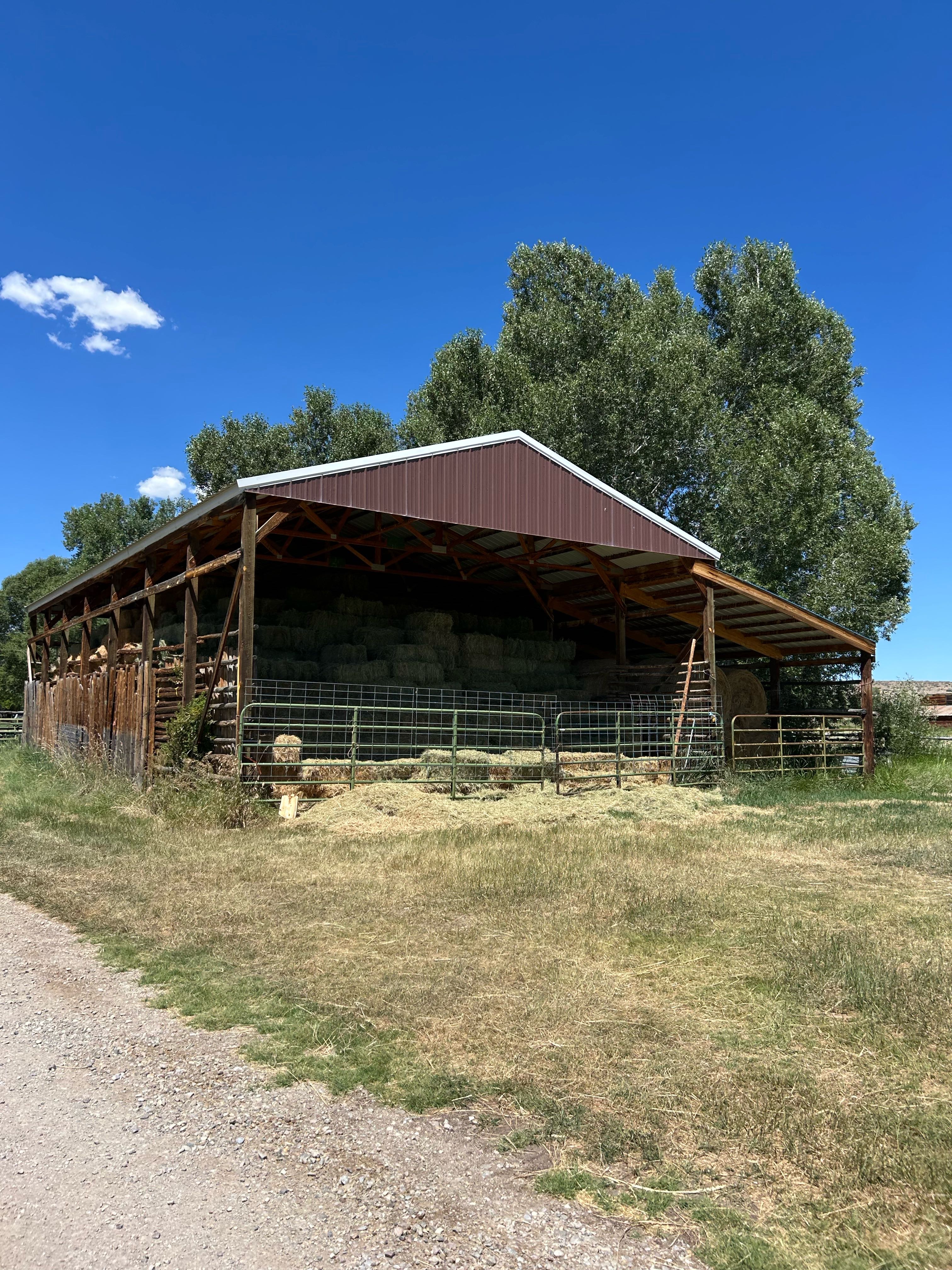
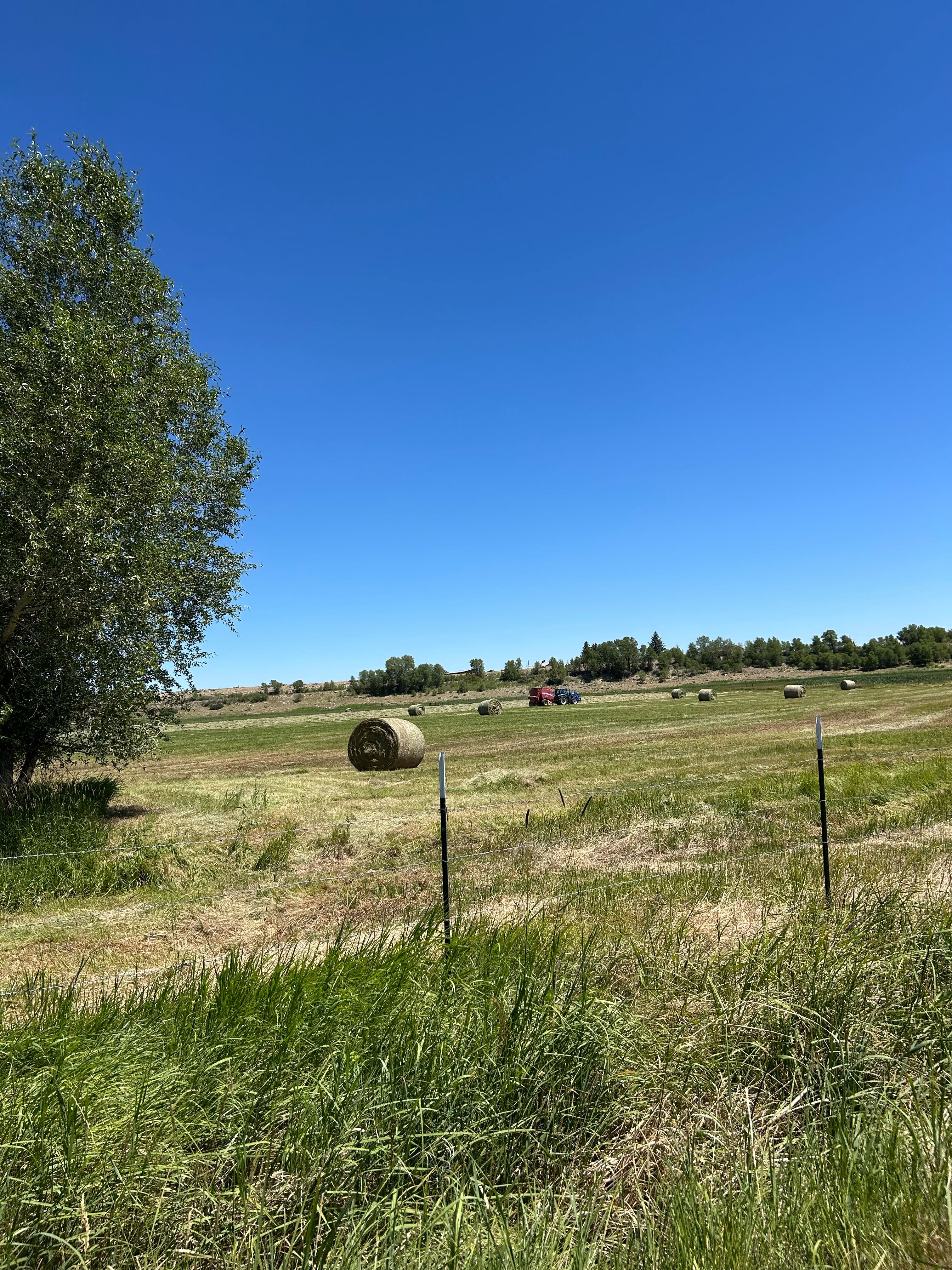
Week six of my internship was a very busy week. We moved over 300 bales of hay into a storage barn, on top of loading six trailer loads of hay to take up the mountain to feed the horses. All of this hay came off of the Allen field, our best hay field. Once we got all of the hay off the field, it was time to begin irrigating again. We rebuilt ⅔ of the pipe in the field and are saving the other third of the pipe until it is a cooler day. Lander is going through a heat wave right now in temperatures that are in triple digits. This makes working in the heat in the middle of the day not only difficult but also dangerous as we try to avoid risks of sunburn and heat stroke. My host also made the decision today to switch one of the two tractors over from the rake to the round baler. The other tractor is attached to the square baler. This means that the rest of the hay that we cut will be made into round bales rather than square bales since the round bales don’t need their windrows to be raked due to their requirement for moisture to keep the bales in tact.
On one of our fields called the Alfalfa Bench, we have been struggling with raccoons coming and ripping the gates off of our gated pipe. A few days ago, one of my coworkers set up live traps. However, they have remained empty since they were set. Firstly, I’m sure there was bait put into the traps but I would like to know what kind and since it is clearly not working, maybe there is a better alternative bait. Secondly, today, when I went up there to move the water, I noticed a severe lack of water pressure. I ended up walking the pipe downstream and came to find out that ten more gates were ripped off but also the endcap was missing. Last week, we had slowly been adding pipes to that north line, allowing the end to be open and irrigate downstream. However, once the line is finished and the pipe has been irrigating overnight, an endcap is supposed to be put in. I was the one to move the water on the Alfalfa Bench for the past couple days and was not told that an endcap still had not been applied. Therefore, water had been flowing out of that pipe for days before I found it today. This oversight emphasizes the importance of communication amongst coworkers.
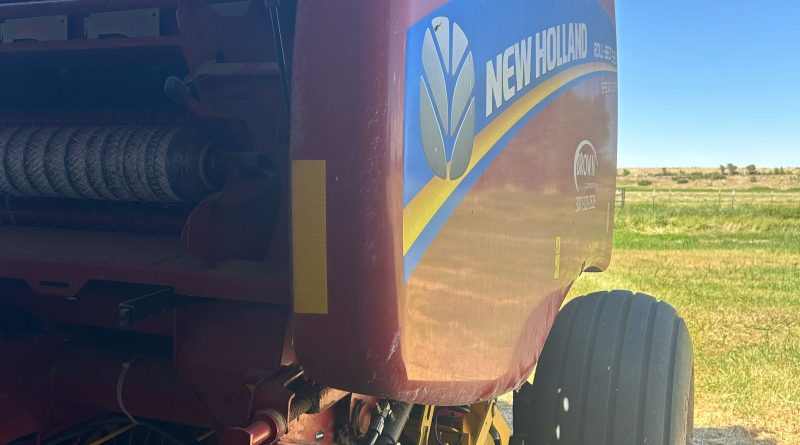
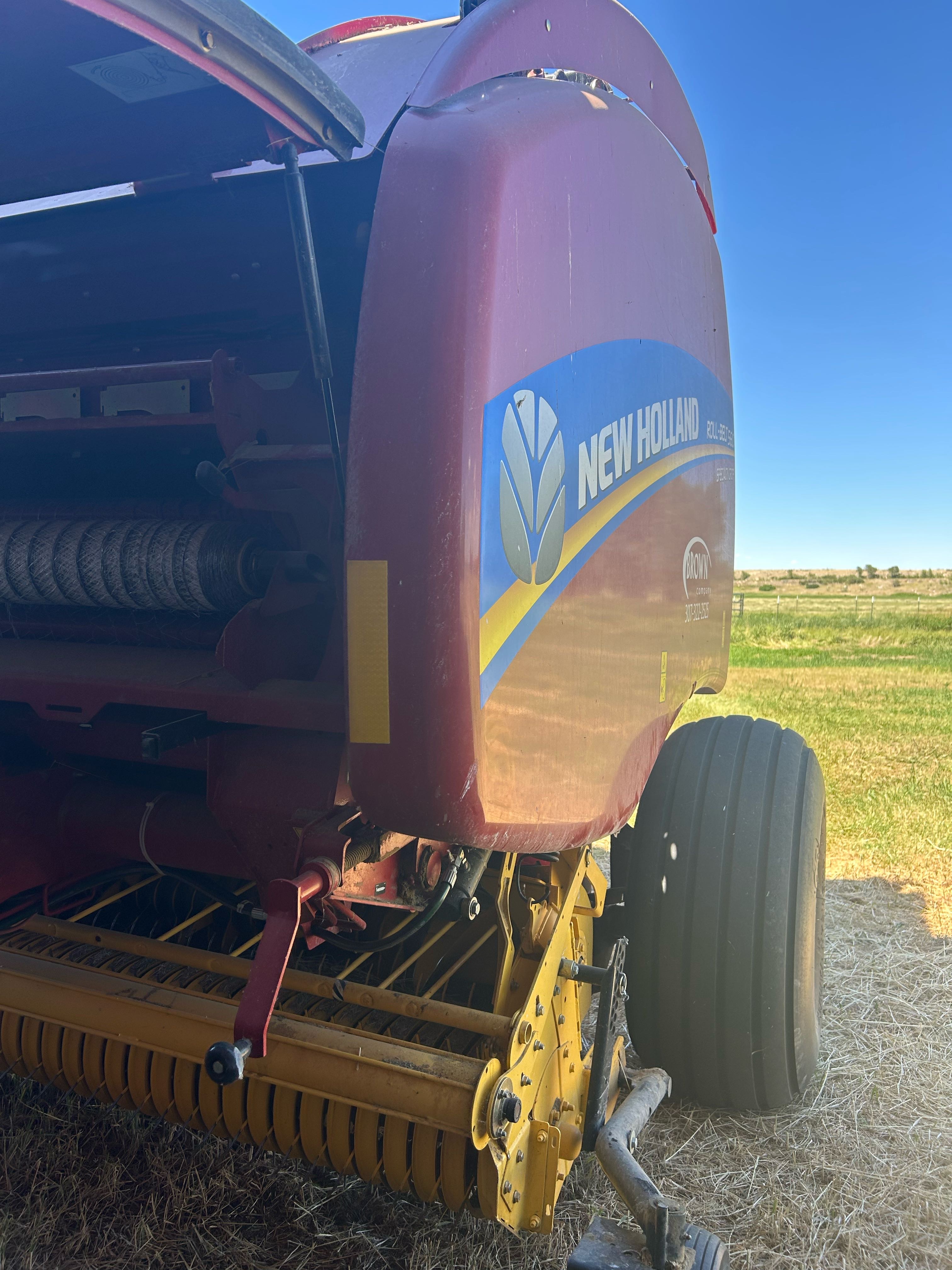
As we began setting up the roundbaler for the next few weeks, we encountered an issue with the hydraulic hoses. Each hose is supposed to be labelled properly to which input valve they’re correctly supposed to be in. Two of the three hoses were functional for opening the liftgate of the baler but the third hose was not working in either of the last two valve slots to operate the pickup rake. We called the tractor mechanic yesterday and were hoping that he could come out and take a look at it but unfortunately he got sick and could not make it. That being said, later today, my host got the baler to work. My question is, how did he get it to work? What did he change? Is the rake automatic? Or is it just not important to operate manually?
This week, while moving hay and doing many physically demanding tasks, the importance of endurance was engraved into my mind and my body. I already knew the importance of seeing your tasks through and not quitting when things get difficult. However, doing intense manual labor through extreme heat breeds a different kind of persistence. I am grateful to have had the opportunity to gain usable, physical strength and grow the kind of perseverance that will get me through all of the tough things that are to come.
Submitted by: Kaylee Pearce
Edits by: GrowinG Internship Team