
Making Informed Harvest Decisions
#bfrdpwy #aginternship #RightRisk
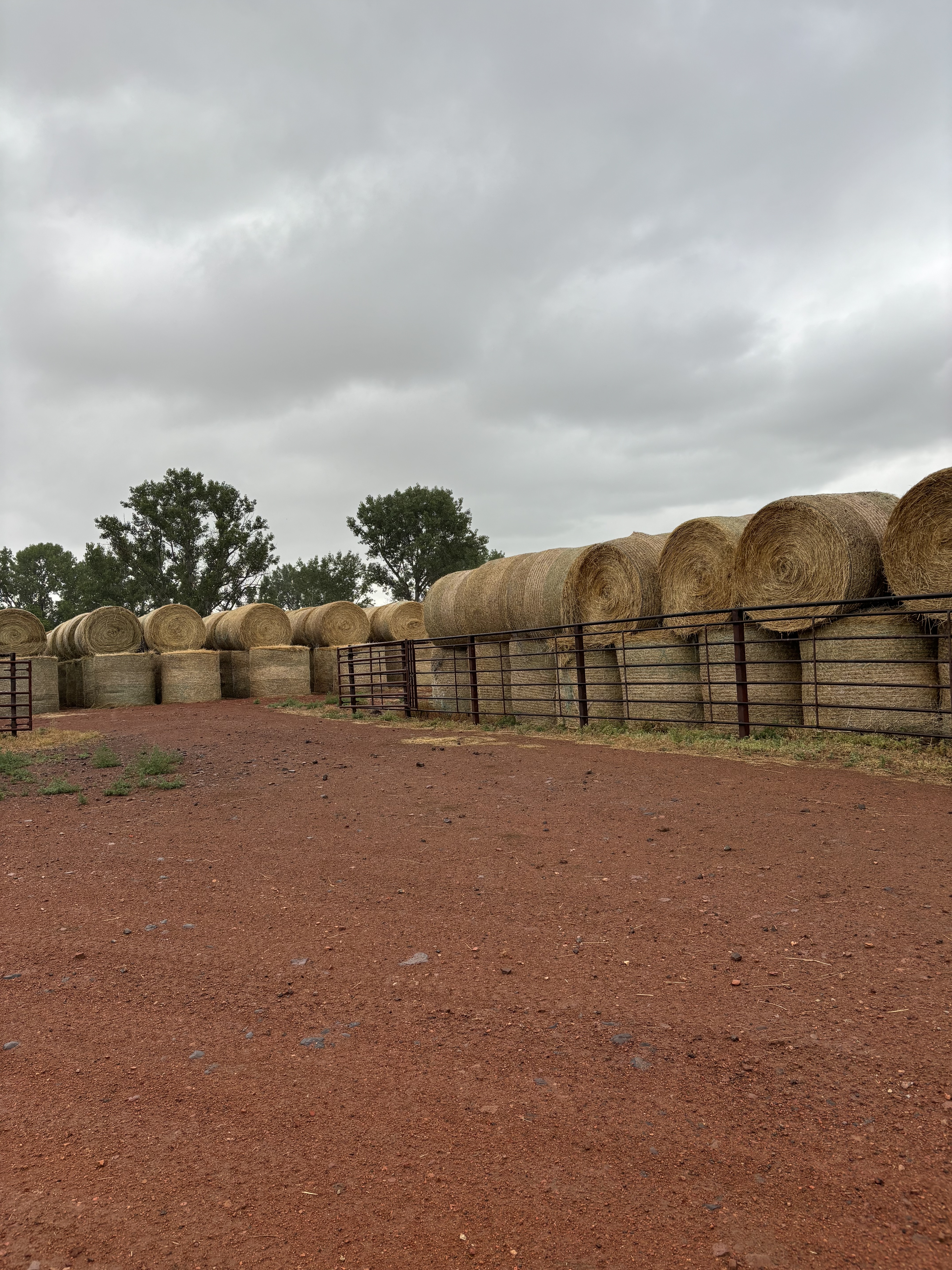
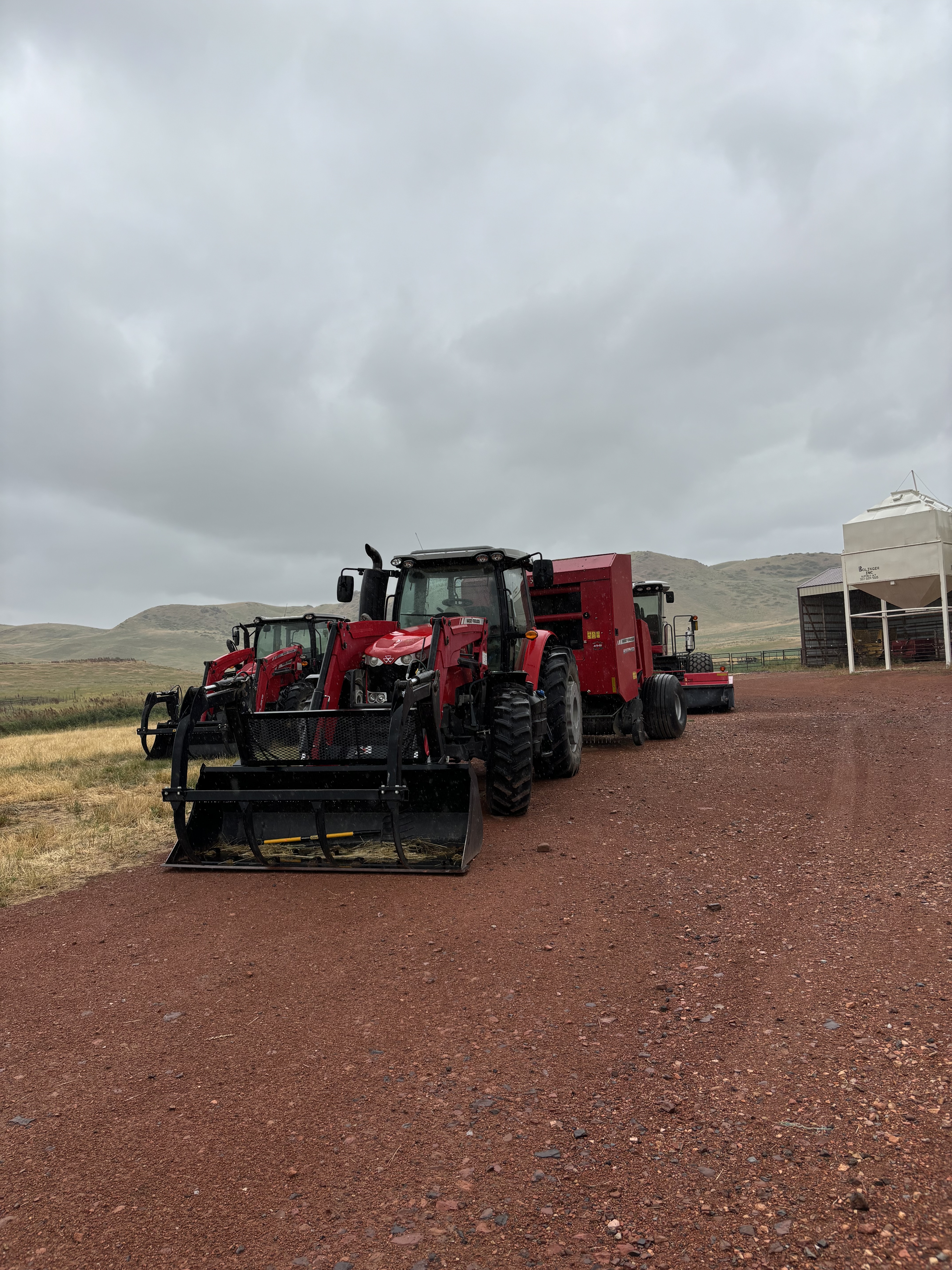
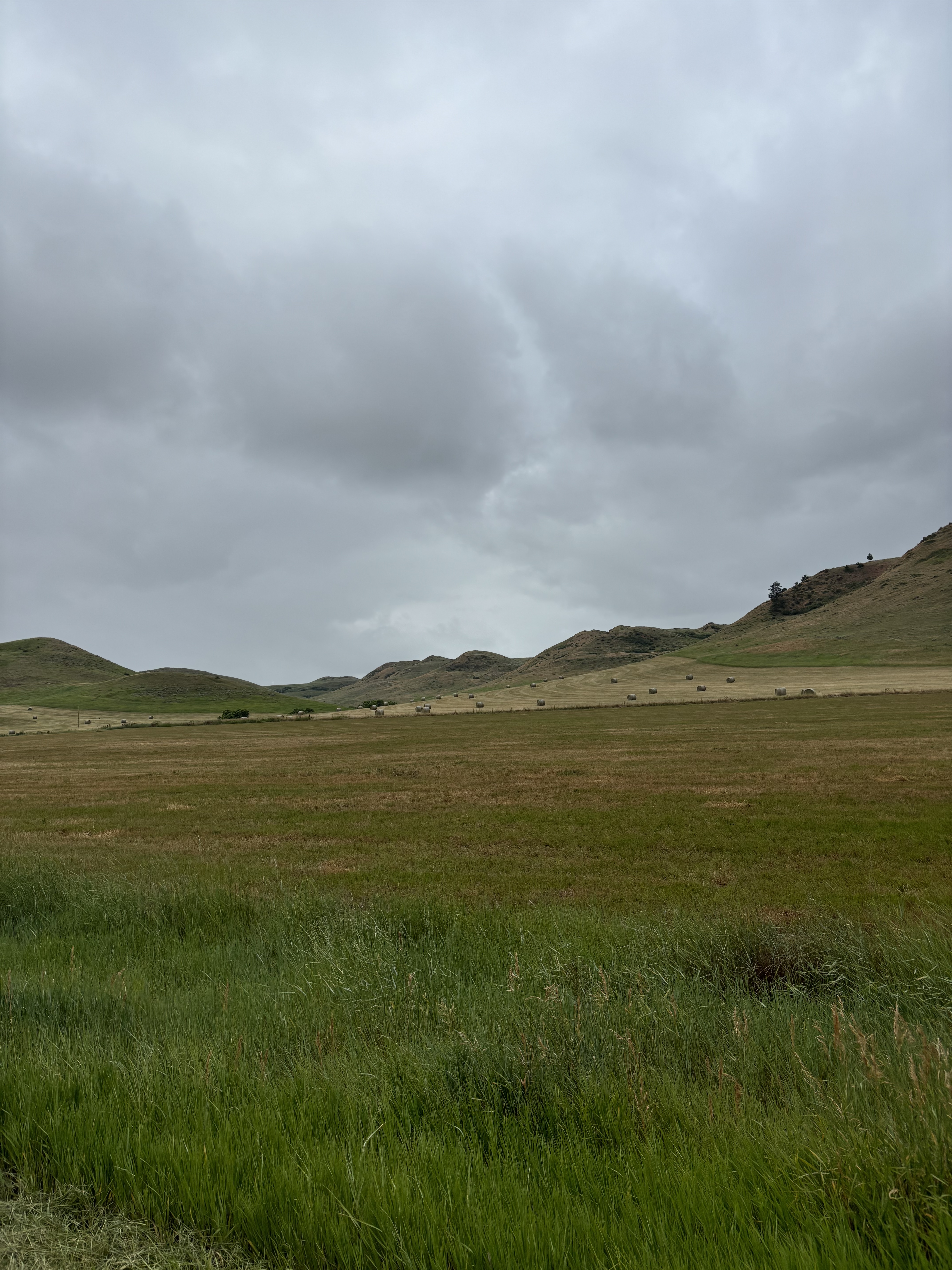
This week consisted of more haying and led to the completion of all our dry-land hay fields; as well as the end of all haying other than the second irrigated cut which will take place in a few weeks. The wrap up of haying will turn our attention back towards rotating cattle and other projects throughout the ranch.
A major point that I have learned over this past week is how much cheatgrass can affect an operation due to it not being grazed by cattle. Along with its effects on cattle, it has an impact on equipment from how much dust it produces while dry. In dry conditions, cheatgrass will turn a tan, yellowish color and become very brittle and prone to creating thick clouds of dust when it is cut or raked in a hay field. Additionally, once cheatgrass reaches this tan color, cattle will no longer graze it.
From this week, I would challenge that this ranch, and the neighboring ranch, do not communicate well or at all about where their herds will be. And more specifically, if the herds will be sharing fence lines while there are bulls out in the herd. Which obviously can create issues because the bulls will try to fight and bust through the fence in an attempt to breed the other herd’s cows. This could be solved by keeping the herds separated by pasture or terrain during these times.
One question that I still have is when an operation has the capability of harvesting a 3rd cut at the end of the growing season in the fall, what is the best way to determine if it is worth the time and money to harvest when the first two cuttings satisfy the ranches’ needs? If the hay is going to be sold then it just requires a cost evaluation compared to the income that would be gained, but if it is not going to be sold then many factors must be considered like if the manpower is available for another cut, or if that hay will be used that winter.
I plan to use what I have learned this past week in order to better facilitate haying operations in the future. As well as better manage herds and communicate with neighboring operations about keeping herds separate and safe when possible instead of the potential of cattle going through fences and mixing.
Submitted by: Colby Barker
Edits by: GrowinG Internship Team