Cattle and Gumweed
#bfrdpwy #aginternship #RightRisk
This week we completed a lot of smaller projects, processed chickens for a friend of my host family, and attended a sheep grazing workshop in the Big Horn National Forest for my educational event.
One of the projects we completed this week was cutting down Russian Olive trees that were growing along the fence line. I was told that these particular trees are an invasive species. Some of the trees have thorns that prevent the cows from eating them. We cut down all of the small trees to prevent them from growing into the fence lines later, which reduces future repair work.
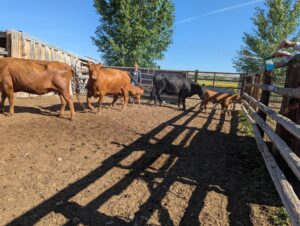
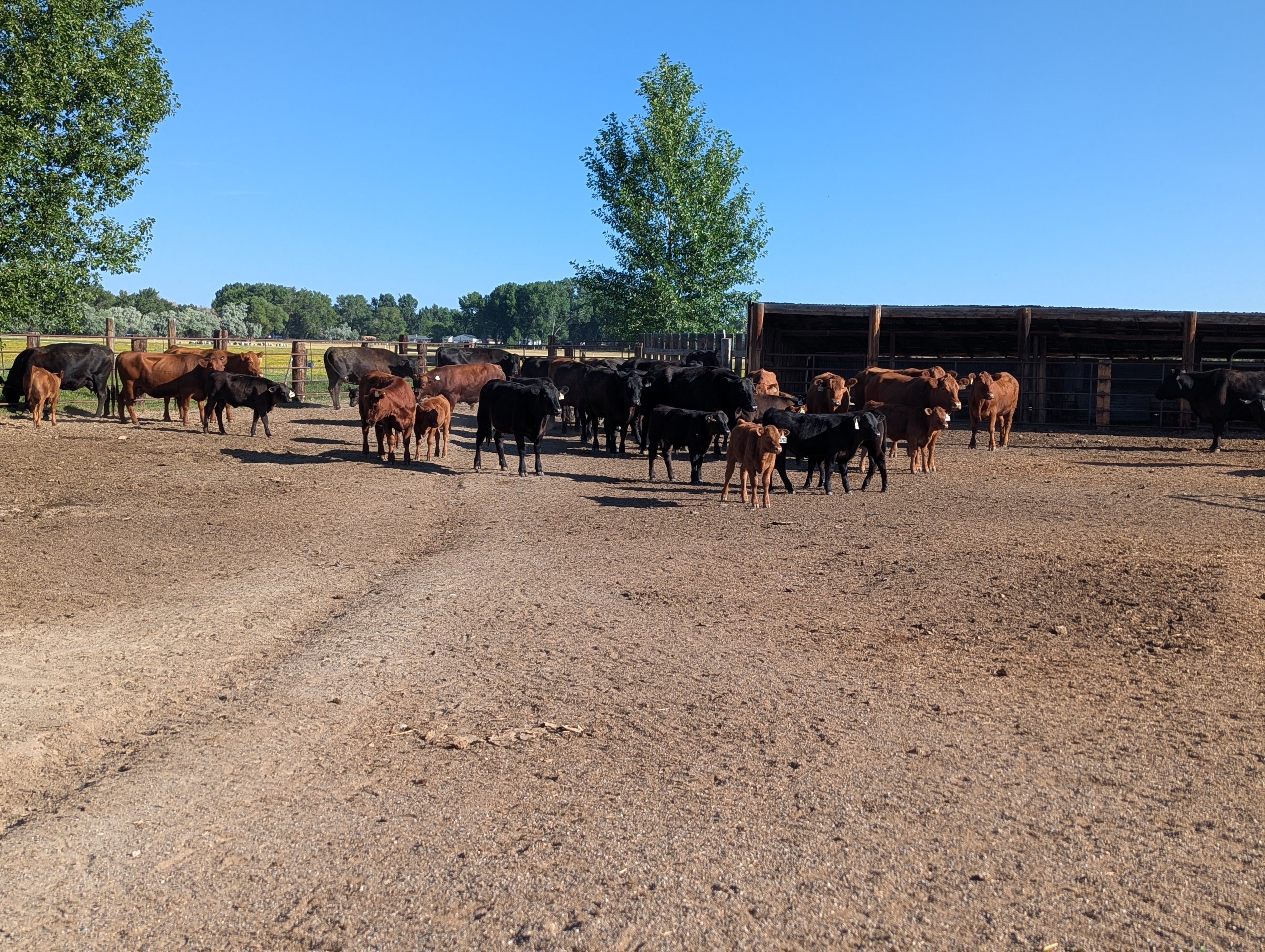
On Thursday, we sorted cows because two of them were scheduled to go in to be processed. To sort out the ones we wanted, we brought the herd into the coral and found the two cows. Then someone would walk behind the cow and herd it down an alley way into an adjoining pen, trying to make sure that the other cows stayed behind. A heifer and a calf did follow with the two cows we wanted, so we left them in the pen and put the other two onto the trailer. I learned that because one of the cows had a brand that was not my host’s, the papers for the cow had to be brought, showing that my host did own that cow. Brand inspection papers were also needed to ensure that the cows were legally my host’s.
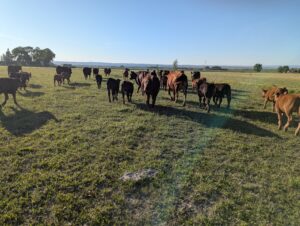
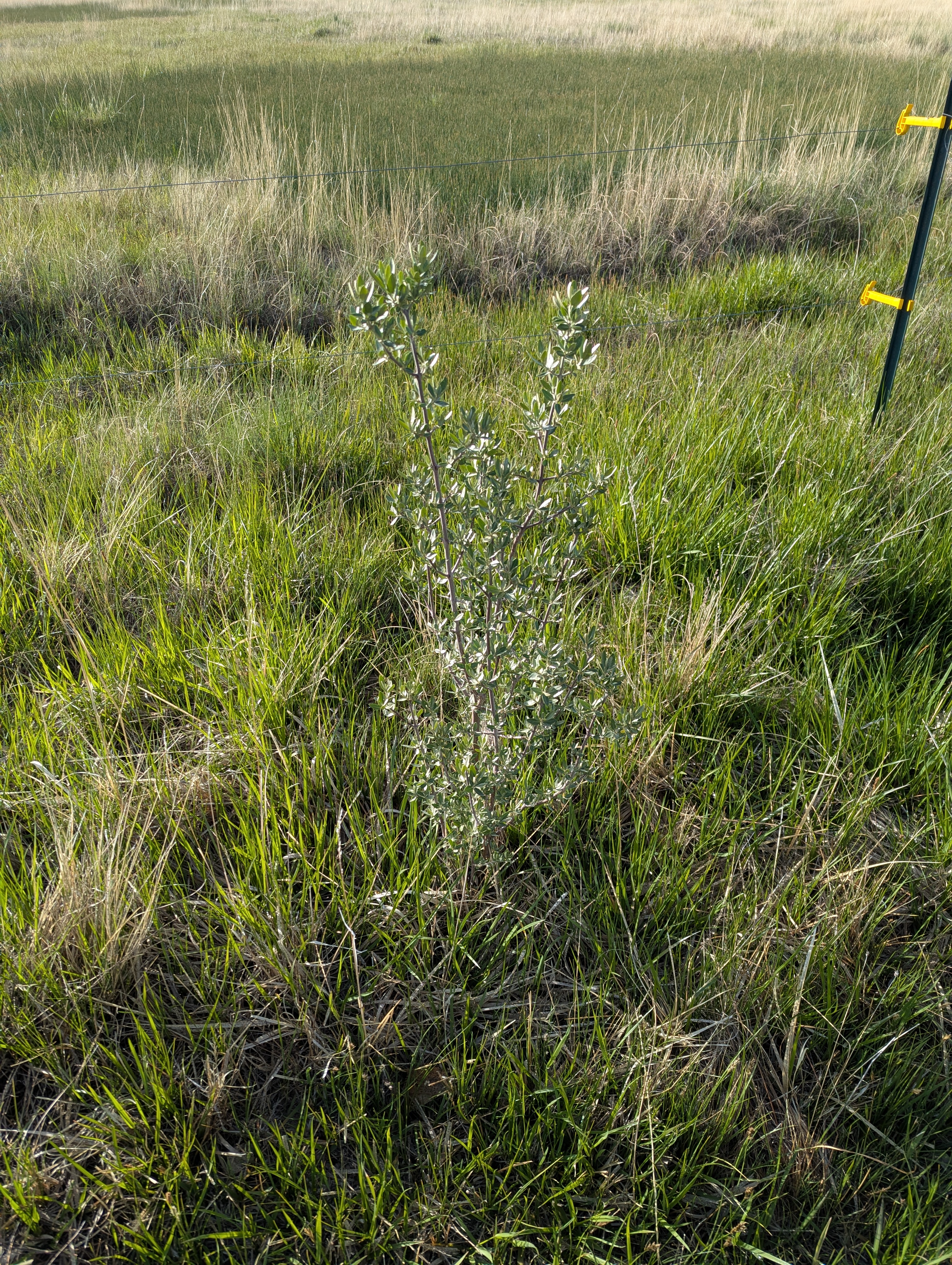
On Saturday we started another project: mowing down gumweed. This weed is poisonous to cattle so they avoid it, which allows the plant to grow while the grass around it is eaten. We took out the tractor with a mower attachment and a zero-turn mower to cut it down. My host doesn’t want to spray the weed because the poison could linger and hurt the grass around the gumweed and potentially the cows when they come back through the pasture. My host said that by mowing the gumweed down, it allows the grasses around it to compete with it without the weed completely taking over. He hopes that the grass will eventually suppress the gumweed, but it hasn’t happened yet.
Sunday, we had to sort cows again, as two of the cow-calf pairs will be going to the sale barn later this week because they did not take care of their calves when they were first born. This time we pulled out small groups and moved them into a pen, checked to see if the pairs were in the group, sprayed for flies, then released the cows back into the coral. The pairs we wanted were brought in by themselves so that they could go into a different pen without having to fight the other cows. My host used a mixture of dawn and water as a fly spray. Usually, he adds diatomaceous earth or cinnamon and mint essential oils to the mix as well to act as fly repellants, but that didn’t happen today.
Friday was when we drove up to the Big Horn National Forest to attend a sheep grazing workshop. There were three speakers who spoke on the topics of grazing livestock post fire, golden eagle management, and targeted grazing. We were also able to learn about grazing sheep on forested land as there was an intern there who told us about the sheep grazing allotments and some of the requirements that had to be met in order to graze sheep in the Big Horns. This is something that I have found very interesting and will try to look into more as a potential way to have more grazing land when I have my own sheep. The downside to using national forested land is that it is for a short period, there is the potential for more predators, and someone has to stay out with the sheep.
I don’t have any ideas from this week that I would challenge. I learned many practical things that I can use and apply though. My host advised starting with only one enterprise and becoming good at it before adding others. I think that this is valuable advice because it keeps me from spreading myself too thin in the beginning and allows me to figure out what I’m doing without becoming overwhelmed. He started with multiple enterprises and it was very difficult, my host told me. I also learned that sheep are able to eat weeds that cows won’t touch, keeping the weed population in check. Sheep are also capable and more willing to graze over rough and rocky terrain than cows are. This is not something that I knew before, which makes grazing sheep in the mountains more interesting.
Some questions that I still have after this week are: How much does it cost to graze sheep in national forest land? Would it be worthwhile to graze flocks less than 1000 head in the mountains? Would having wildlife cameras help in proving that an eagle attacked a lamb?
This week had a lot of practical advice that I can use when I start my own ranch. It also had grazing techniques that I can use with sheep in different situations such as targeting weeds or grazing on burnt land. I also got a chance to hone in my cattle herding skills by working with them in close quarters sorting them.
Submitted by: Anna Agee
Edits by: GrowinG Internship Team