Is Crop Dusting Necessary?
#bfrdpwy #aginternship #RightRisk
This week had a few more things going on than last week, but overall was still slower than the weeks before. We mainly worked on maintenance that needed to be done as well as the daily chores. We also had to problem solve how the sudden heat was affecting the pasture chickens.
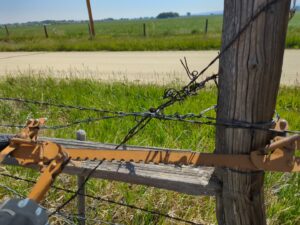
The maintenance for this week was tightening up a barbed wire fence that the sheep were escaping through last winter. We used a fence puller and would place one end on a fence post and the other end would hook the wire. Then we would ratchet the tool until the fence was tight a couple of posts farther down, unhook the wire from the fence, and retie it so that it would retain the same tension or close to it. The fence was made up of both old rusted wire and newer wire. This prevented us from pulling it too tight as the rusted wire would break if there was too much tension. I learned that the fence was this way because it is expensive to replace an entire fence at once and this helps extend the life of the fence. I also learned that treated fence posts were better than untreated because they can last about 40 years before rotting out. Untreated posts on the host farm have been there for about 16 years and are rotting out. I think that this is one of the most important things that I have learned this week because, even though treated posts are more expensive, they save time, money, and labor in having to replace a fence frequently.
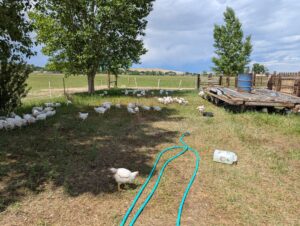
The temperature this week suddenly changed from 70s to upper 90s and we lost two of the pasture chickens to the heat. My host came up with the idea of setting a sprinkler out for the chickens so that they can run through the water and cool down. It also created puddles, and when the water buckets are under them, a drinking source with moving water. We both noticed that the chickens were more likely to drink from puddles and water that moves, so this seemed like a good idea to help them drink more water as well. The sprinkler was set in such a way that it watered the shady spots to help the chickens that are trying to cool off, and near the trailer because it gets hot underneath. The chickens have enjoyed it very much, and we have not lost any more to the heat.
The concept I would challenge is the need to crop dust. All of the neighbors this week have had their fields crop dusted. The wind blew the chemicals from one of the fields in our direction and the smell was awful. I learned that the owners of the fields will not go out into them for a few days after the crop spraying has been done. My hosts also have had their bees die shortly after crop dusting was done and have gotten frustrated to the point they no longer keep bees. With such little control over where the chemicals go and it having harmful effects on needed bugs like bees, I question the safety of crop dusting and wonder what harmful effects it could have on livestock and humans. If the bees die because they enter a field that has been sprayed, then the ecological system could also be adversely affected by the chemicals used.
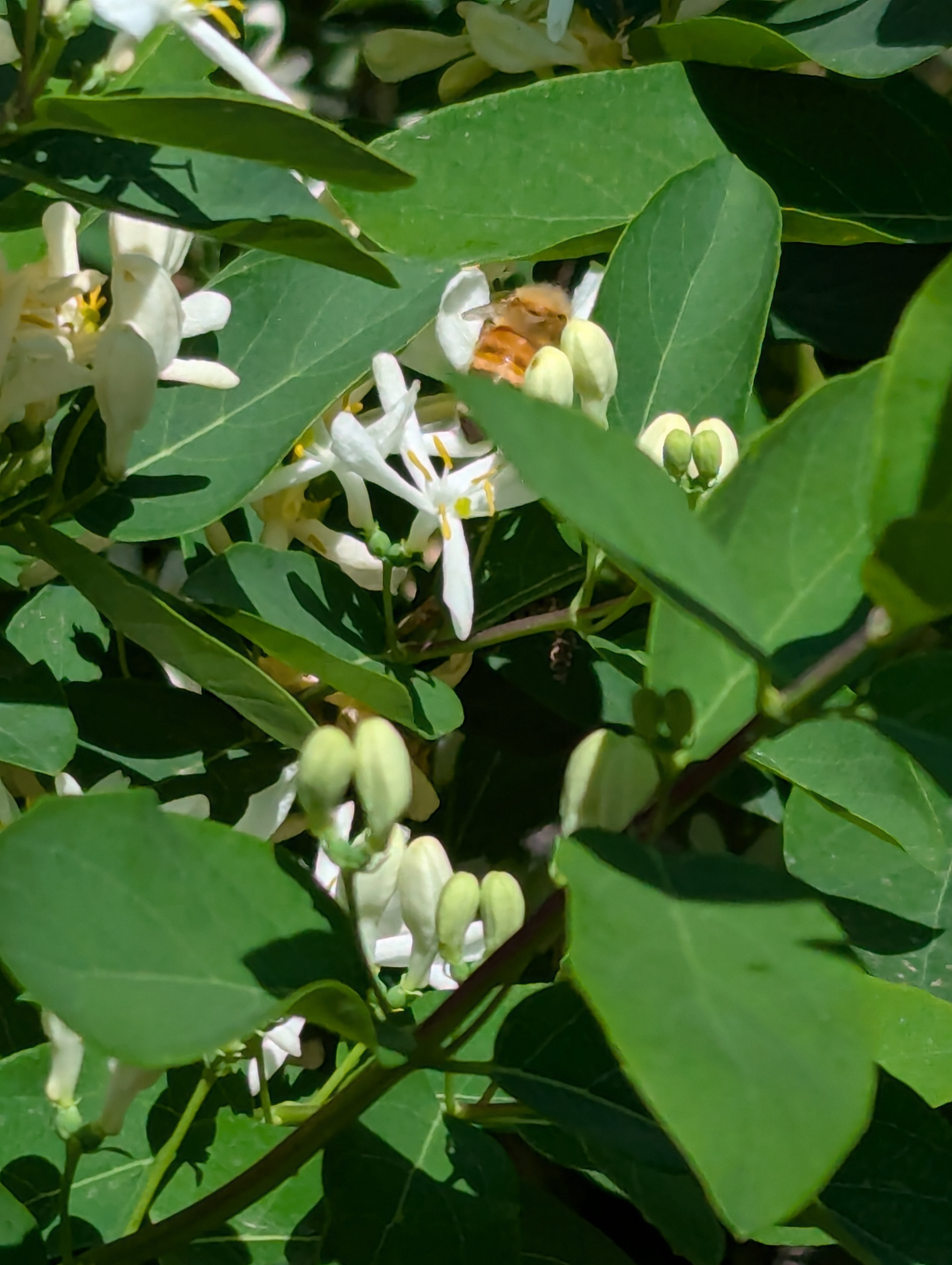
Since crop dusting is part of conventional agriculture, I wonder what organic farmers have to do when a neighbor has crop dusted to ensure that their farm still meets all of the federal regulations. I also wonder how long the chemical from crop dusting lingers and when it is considered safe to put livestock in a field after dusting.
This week had a lot of practical applications and lessons that I learned that I will most definitely use on my own ranch in the future. Knowing how to use a fence puller is something that I think is very much needed for permanent fencing especially since hand pulling isn’t able to get the fence tight enough. The problem-solving skills that were used when figuring out how to help the chickens I have found are essential to any job. The solution was simple and easy to implement and that is something I will try and remember when I have to problem solve issues in the future.
Submitted by: Anna Agee
Edits by: GrowinG Internship Team