
A Livelihood on Water Supply
#bfrdpwy #aginternship #RightRisk
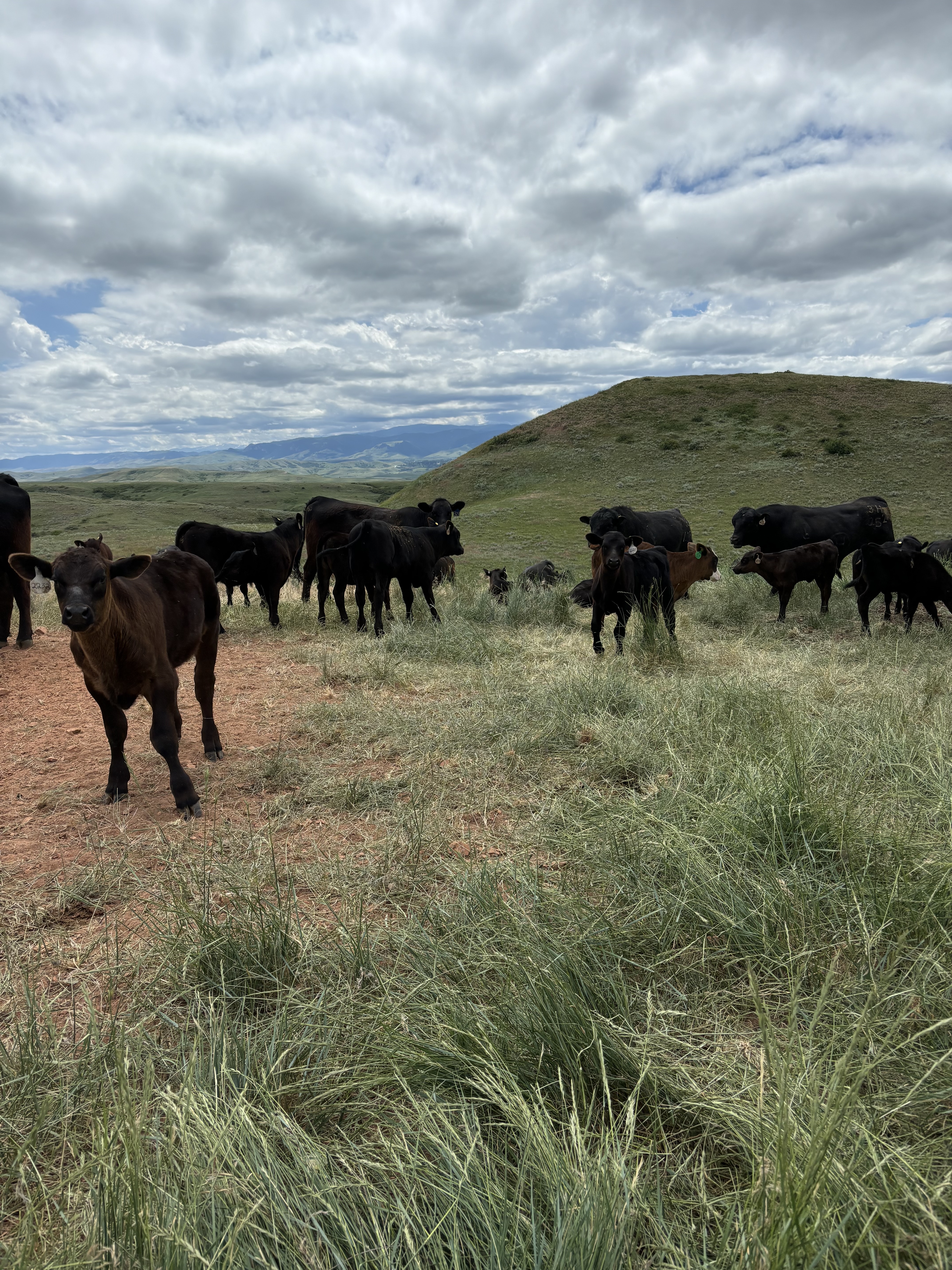
During this week, haying progressed and some of our fields’ first cuts are now completed. Our herds were also moved to allow them more access to water.
One major point I have learned over this past week is how crucial wells, pumps, and pipelines are to your entire operation when there is not natural water available. A pump not working, a pipeline leaking or getting clogged, or even a leak somewhere can render entire pasture unusable due to the unavailability to get water. This requires a frequent checks to ensure the water systems on an operation are working properly as it can have a detrimental impact on the herd if not.
One concept or idea that I would challenge is cutting, raking, and baling hay before transportation is ready and lined up to get bales moved. This can result in not being able to run your pivots and irrigate a field because of bales being on it until you get them moved. In order to have these aligned, you have to work proactively and arrange that help. There can be complications with that depending on weather, other operation events, etc., but this could help improve efficiency all around and more maybe more, or better, hay production in the season.
One question that I still have is if it is best to bale hay at different moisture percentages for specific use during times of the year. For example, higher moisture bales with more protein for the winter or calving.
I plan to use the experience haying this week in the future, as well as all the experience working on water wells, pumps, and pipelines to benefit me with future issues of the same sort.
Submitted by: Colby Barker
Edits by: GrowinG Internship Team