Importance of “Invisible Labor”
#bfrdpwy #aginternship #RightRisk
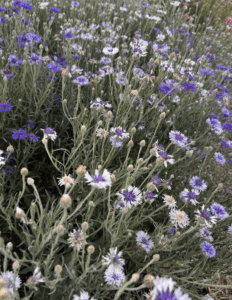
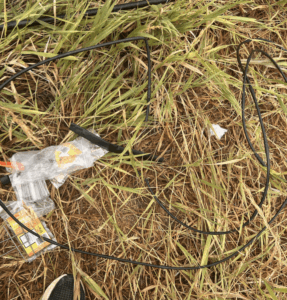
This week I gained valuable experience in both farm maintenance and event preparation, learning how these two areas intersect in the floral and agricultural industries. I learned how to set up drip irrigation for a variety of plants including trees, shrubs, and evergreens. I became comfortable using materials like irrigation tubing, drip lines, and inline drippers, and I now better understand how water systems can be tailored to specific plant needs. I also had hands-on experience with harvesting flowers and maintaining a clean and organized studio, all of which are essential for efficiency and flower health.
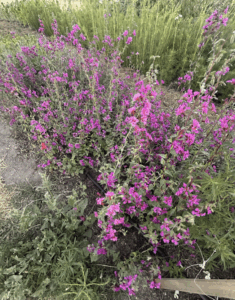
Additionally, I learned about the detailed process that goes into preparing floral installations for weddings. From preparing the chicken wire bases for meadows to setting up and cleaning after the event, I experienced the full cycle of a wedding job. Being involved in both the physical labor and the creative preparation helped me appreciate the coordination and problem-solving required to execute floral designs in a timely and professional manner.
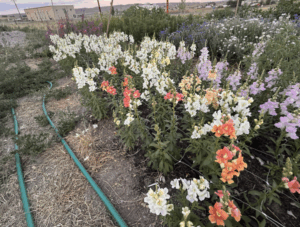
One concept I would challenge is the assumption that setup and teardown work especially for events like weddings is less valuable or less skilled than the design or floral arrangement itself. Through this week, I saw how essential this type of work is to the overall success of an event. Without the stability and structure provided by tasks like securing chicken wire or properly transporting floral arrangements, the final product would not function or appear as intended. This kind of “invisible labor” deserves more recognition for its impact.
I also find myself reflecting on the balance between repetitive tasks, like watering or cleaning corms, and more creative or complex work, like preparing installations for weddings. While they may seem unequal on the surface, I think this week proved that both are necessary and support each other. Each task regardless of complexity contributes to the overall success of the farm and the business, and both require attention to detail and a high standard of care.
One question I still have is how to better schedule and prioritize tasks when juggling both farm responsibilities and wedding/event prep. This week showed me how packed a schedule can get, especially when dealing with irrigation, harvesting, studio work, and weddings all at once. I’d like to better understand how experienced florists and farm managers manage their time and workflows during these busy periods.
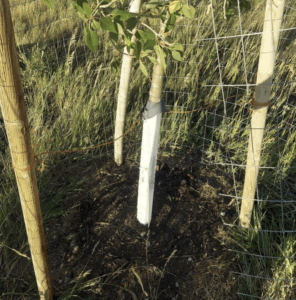
I also wonder about the long-term maintenance and efficiency of the irrigation systems we’re installing. What are the best practices for ensuring they stay functional and efficient throughout the season? And are there systems in place to monitor and adjust water flow as plants grow or seasons shift? These are things I’d like to learn more about as I continue helping on the farm.
Next week, I plan to take more initiative in both the irrigation work and wedding prep. Now that I feel more confident with installing drip lines and using inline drippers, I hope to work more independently and help troubleshoot issues if they arise. I also want to help with planning the irrigation layout if any additional plantings are added.
In terms of floral design and event work, I’d like to keep improving my skills in preparing installations like meadows and arrangements. I plan to observe closely how different flowers are selected and placed, and continue developing an eye for both mechanics and aesthetics. Additionally, I will keep helping with post-event cleanup while looking for ways to improve the efficiency of resetting and reusing materials. This week has given me a clearer view of how everything fits together, and I want to carry that perspective into each day of work moving forward.
Submitted by: Courtney Robb
Edits by: GrowinG Internship Team